
As of 2026, the best healthy foods for dogs to add to a bowl on a budget are cooked lean meat, cooked fish, cooked eggs, cooked pumpkin and cooked green beans. Serve each one plain, in small portions, on top of a complete and balanced dog food.
You can find all five at a regular grocery store, and none needs special preparation beyond cooking and cooling. Below you will find how to prepare each one, what to avoid, and how to keep portions in check.
Did you know that dogs are omnivores, meaning they can safely consume and derive nutrients from both animal and plant-based sources? This versatile nature allows your canine companion to enjoy a wider range of healthy foods for dogs, including a variety of fruits and vegetables, in addition to traditional protein sources.
Working out the basics first? Read Best Dog Food: How to Choose the Right One for Your Dog.
Be careful when choosing extras for your dog, since dogs can also suffer from food allergies. The most common culprits are beef, chicken, eggs, fish, dairy, and in some cases, grains. This article covers five of the best healthy foods for dogs that you can add to the bowl without much cost or fuss, and how to serve them to support your dog’s health and well-being.
Key Takeaways
- Dogs are omnivores, able to digest and derive nutrients from both plant and animal sources.
- Common food allergens for dogs include beef, chicken, eggs, fish, dairy, and in some cases, grains.
- Chicken is considered the most balanced meat for dogs, being high in protein and low in fat.
- Cooked, unseasoned protein sources, such as chicken, turkey, beef, and fish, are healthy foods for dogs that are easy to find.
- Nutrient-rich vegetables, including pumpkin, green beans, carrots, and spinach, can be healthy additions to a dog’s diet.
- Treats and extras should stay at about 10 percent of your dog’s daily calories.
How to Add Healthy Foods for Dogs Without Upsetting the Diet
Whole foods work best as small extras, not as a replacement for a complete and balanced dog food. A few simple rules keep things safe.
- Keep treats and extras to about 10 percent of your dog’s daily calories, and let the rest come from a complete and balanced food.
- Introduce one new food at a time over 7 to 10 days, starting with a small spoonful. Watch for loose stools, itching or vomiting.
- Check your dog’s main food for an AAFCO statement that says it is complete and balanced for your dog’s life stage.
- Ask your vet before adding new foods if your dog has a medical condition or eats a prescription diet.
Why Dogs Can Eat Meat and Plants
Unlike wolves and cats, domesticated dogs are omnivores, similar to humans, able to eat and digest both animal and plant-based foods. This means the list of healthy foods for dogs includes fruits and vegetables as well as meat-based foods. Dogs can safely eat cooked vegetables without the need for pureeing, as long as they are steamed or boiled without additional oils, butter, or spices.
Dogs are Omnivores
Domesticated dogs are omnivores, which allows them to consume a diverse range of nutritious foods, including both animal and plant-based sources. This differentiates them from their carnivorous counterparts, such as wolves and cats, who rely primarily on meat for sustenance.
Food Allergies in Dogs
Even healthy foods for dogs can cause trouble if your dog has a food allergy. The most common culprits are beef, chicken, eggs, fish, and dairy. Grains can also cause allergies in some canines. Pet parents should be aware of potential food allergies when selecting treats for their dogs.
Cooked, Unseasoned Protein Sources
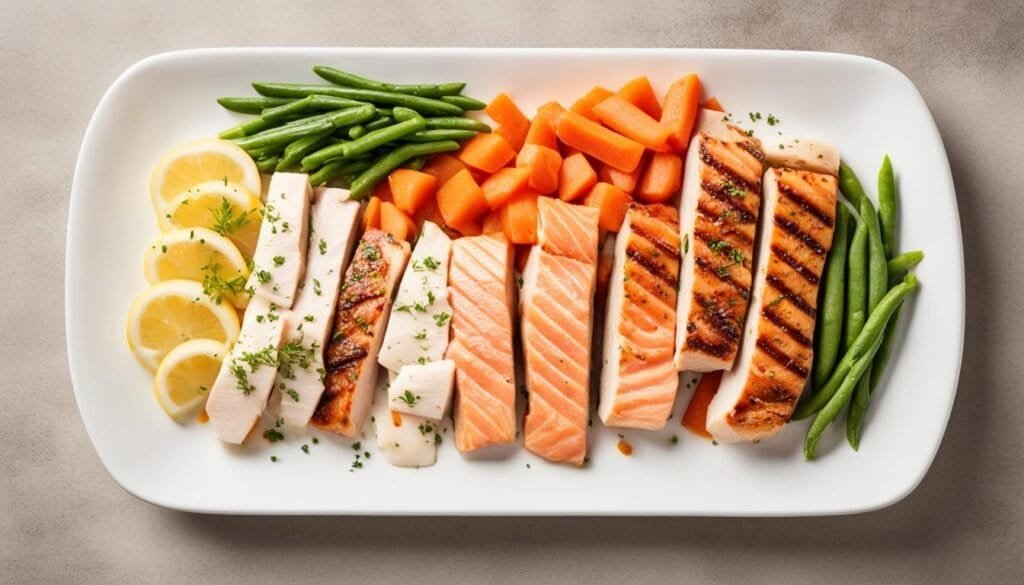
Cooked, unseasoned chicken, turkey, and beef are excellent protein sources for dogs. Remove all bones first to prevent choking hazards. Among the three, chicken is considered the most balanced meat as it is high in protein but low in fat, making it the healthiest option for canines.
Cooked, Unseasoned Chicken, Turkey, or Beef
Cooked, unseasoned chicken, turkey, and beef are good sources of protein for dogs. Chicken is the most balanced meat, as it is high in protein but low in fat, making it the healthiest choice for canines.
Cooked, Unseasoned Fish
Cooked, unseasoned fish is also one of the healthy foods for dogs, as it provides protein and omega-3 fatty acids. As with other meats, all bones must be removed before feeding to dogs.
Cooked, Unseasoned Eggs
Cooked eggs, whether hard-boiled or scrambled, are a great source of protein, vitamin D, selenium, and riboflavin for dogs.
Nutrient-Rich Vegetables
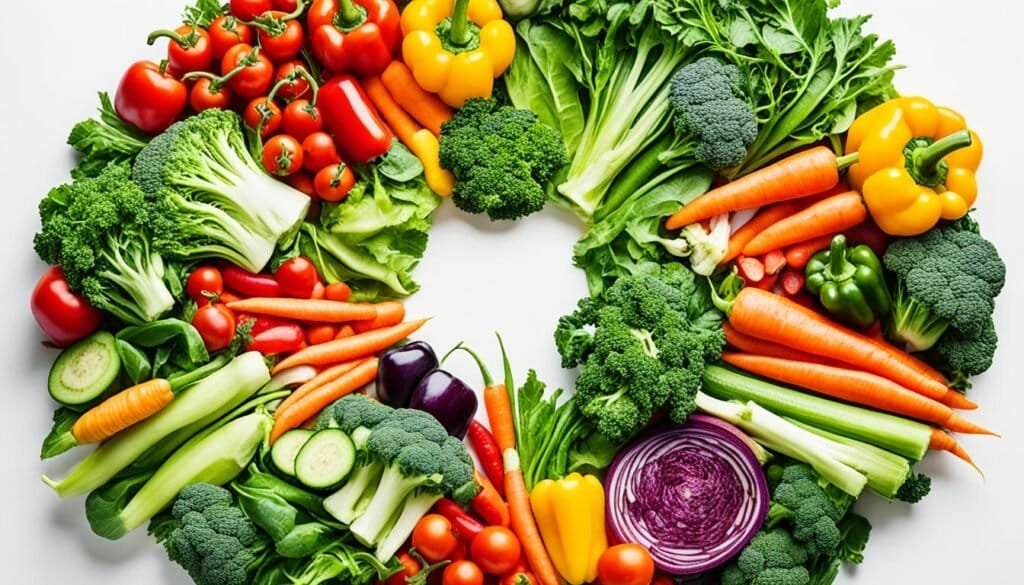
Vegetables are some of the most budget-friendly healthy foods for dogs. Adding a variety of nutrient-dense vegetables to your dog’s diet can provide fiber, vitamins, minerals, and antioxidants that support digestion, the immune system, and your dog’s overall well-being.
Cooked Pumpkin
Cooked and chopped pumpkin is a healthy and nutritious snack for dogs, providing fiber and beta-carotene, which can aid digestion and improve coat appearance.
Cooked Green Beans
Cooked green beans are a good source of fiber, vitamin C, and other nutrients that can support a dog’s overall health. They are also low in calories and fat, making them a good option for overweight dogs.
Cooked Carrots
Cooked and chopped carrots are a great source of fiber, vitamin A, and beta-carotene for dogs. Make sure they are cooked well, as raw or semi-raw carrots can be difficult for dogs to digest.
Cooked Spinach
Cooked spinach is an excellent source of fiber, vitamin A, vitamin K, vitamin C, and potassium, and it can be easily fed to dogs without the need for chopping.
Five Cheap, Healthy Foods for Dogs
The top five healthy foods for dogs are cooked, unseasoned chicken, turkey, or beef; cooked, unseasoned fish; cooked, unseasoned eggs; cooked pumpkin; and cooked green beans. These nutrient-dense foods provide protein, vitamins, minerals, and other beneficial compounds to support your dog’s overall health and well-being.
These foods work as add-ons, not replacements. A balanced, high-quality commercial dog food that is nutritionally complete should stay the base of the diet. Talk with your veterinarian to make sure your dog’s dietary needs are being met and to address any concerns about allergies or specific health conditions.
Fruits for Dogs
Many dogs enjoy the taste and crunch of fresh apples, which are an excellent source of vitamin A, vitamin C, and fiber for canines. Apples should be fed in moderation due to their natural sugar content, and pet owners should remove the core and seeds to avoid choking hazards.
Sliced Apples: In Moderation
Apples are a safe and healthy fruit for dogs, low in calories and containing vitamins A and C, fiber, potassium, and antioxidants. While dogs generally love the crisp texture and sweet taste of apples, they should be given in moderation due to the fruit’s natural sugar content.
Bananas: In Moderation
Bananas are another healthy fruit option for dogs, as they are high in potassium, fiber, and magnesium. Like apples, bananas should be given in moderation due to their natural sugar content. Bananas are also high in vitamins B6 and C, and should be fed sparingly to dogs.
Other Healthy Foods for Dogs to Try Sometimes
Beyond the top protein sources, vegetables, and fruits, there are several other foods that some owners add to their dog’s bowl. Check with your vet before trying any of them.
Cooked Oatmeal
Cooked oatmeal is a wholesome addition to a dog’s diet, as it contains vitamin B, which helps maintain a healthy coat, and linoleic acid, a type of omega-6 fatty acid that supports skin health. Oatmeal is also a source of soluble fiber commonly found in commercial dog foods.
Bone Broth
Bone broth is a popular topper for dogs. Some owners use it to add flavor and moisture to meals, and it is often suggested for digestion and joint support. Choose plain broth with no salt, onion, or garlic.
Raw Goat Milk
Raw goat milk is sometimes offered to dogs for its fats, probiotics, and vitamins. Ask your vet first, since dairy does not suit every dog and raw products carry their own risks.
Organ Meats
Organ meats, such as liver, kidney, heart, and tripe, are nutrient-dense and can be part of a balanced canine diet in small amounts. They provide essential vitamins, minerals, and amino acids.
MCT Oil
MCT oil is a fat that some owners add to meals in small amounts. Ask your vet before trying it, since extra fat can upset digestion.
Conclusion
The five healthy foods for dogs covered here are cooked, unseasoned lean meat, cooked fish, cooked eggs, cooked pumpkin, and cooked green beans, with a few other vegetables and fruits as occasional extras. These foods can provide essential nutrients and work well as treats or food toppers.
Introduce new foods gradually over 7 to 10 days, monitor for any allergic reactions, and consult with your veterinarian to make sure your dog’s dietary needs are being met. While these healthy human foods can be a great addition to your dog’s diet, they should not replace a complete and balanced commercial dog food.
Choosing healthy foods for dogs does not have to be expensive or complicated. Small portions of simple, plain foods, added to a balanced diet, can help support your dog’s overall well-being.
FAQ
What are the top 5 healthy foods for dogs?
Are dogs omnivores?
Can dogs have food allergies?
Can dogs eat cooked vegetables without pureeing?
What are the benefits of including cooked, unseasoned protein sources in a dog’s diet?
What are the benefits of including cooked, unseasoned fish in a dog’s diet?
What are the benefits of feeding cooked, unseasoned eggs to dogs?
What are the benefits of feeding cooked pumpkin to dogs?
What are the benefits of feeding cooked green beans to dogs?
What are the benefits of feeding cooked carrots to dogs?
What are the benefits of feeding cooked spinach to dogs?
Can dogs eat fresh fruits like apples and bananas?
What other healthy additions can be included in a dog’s diet?
Should these healthy human foods replace a dog’s commercial dog food?
Keep reading
- Best Puppy Food: What Growing Dogs Need in Year One
- What Makes a Dog Food Good: The Six Things That Matter
- Fruits and Vegetables Dogs Can Eat: A Safe List
- Human Foods Dogs Can Eat Safely, and How Much
More in Food & Treats, or start from the Doggy Rank iQ homepage.