
The human foods dogs can eat safely include plain cooked chicken, eggs, carrots, pumpkin, green beans, and oatmeal, plus small amounts of apple and banana. Keep all treats to about 10 percent of your dog’s daily calories, and skip foods like grapes, raisins, chocolate, onions, and anything sweetened with xylitol.
This guide lays out the human foods dogs can eat as of 2026, how to prepare each one, and how much is reasonable for a treat. It also covers food allergies and when to check with your vet first.
Domesticated dogs are omnivores, just like humans. That means they can safely digest a wide variety of foods from both animals and plants, so the range of healthy treats for dogs is much broader than it is for obligate carnivores such as cats. As a pet parent, you may be wondering, “What human foods can I safely share with my canine companion?” Below are ten of the human foods dogs can eat that support their overall well-being.
If you are still deciding, start with Best Dog Food: How to Choose the Right One for Your Dog.
Many pet parents love sharing food with their pups. As you think about giving a dog-friendly treat during brunch, lunch, dinner, a picnic, or a BBQ, you may ask yourself, “what human foods can dogs actually eat?” Or better yet, which people foods will give them the most health benefits? This list covers the healthiest people food that dogs can eat, and it works as a quick reference for the human foods dogs can eat at home. Some of the items here can also be used as food toppers for dog food that help picky eaters.
Key Takeaways
- The human foods dogs can eat should be plain, cooked where needed, and limited to about 10% of daily calories.
- Domesticated dogs are omnivores, able to digest both plant and animal-based foods.
- Common canine food allergies are triggered by proteins such as beef, chicken, eggs, fish, and dairy.
- Chicken is considered the most balanced meat for dogs, being high in protein and low in fat.
- Cooked, unseasoned fish provides dogs with protein and beneficial omega-3 fatty acids.
- Cooked eggs are a good source of protein, vitamins, and minerals for dogs.
How Much of the Human Foods Dogs Can Eat Is Safe?
Treats, including any human food you share, should stay at or under about 10 percent of your dog’s daily calories. The rest should come from a complete and balanced dog food. A few habits keep that simple:
- Start with a bite or two of a new food, and watch for vomiting, loose stool, or itching.
- Add one new food at a time, and make any bigger change to your dog’s diet gradually over 7 to 10 days.
- Check your dog’s main food for an AAFCO statement saying it is complete and balanced for your dog’s life stage.
- Ask your vet before adding foods if your dog follows a medical diet, for example for kidney disease, pancreatitis, diabetes, or food allergies.
- Skip known problem foods: grapes, raisins, chocolate, onions, garlic, macadamia nuts, and anything containing xylitol.
Why Dogs Are Omnivores, and What That Means for Allergies
Unlike wolves and cats, domesticated dogs are omnivores. In that sense, they are similar to us humans. Omnivores are naturally able to eat and digest food that comes from both animals and plants. This doesn’t mean that dogs can safely eat all the types of food that people can. What it does mean is that the range of healthy treats for dogs is wider than that of obligate carnivores who are not naturally equipped to digest vegetation (sorry, cats!). Because dogs are omnivores, some dogs naturally enjoy fruits and vegetables, especially the ones on this list of healthy food for dogs, and dogs can eat cooked vegetables with no pureeing needed. That is why so many of the human foods dogs can eat come from the produce aisle.
Dogs Are Omnivores
The go-to treats for dogs are usually meat-based food items from the table. Not all types of meat are safe for all dogs, though. Some dogs have food allergies, and the most common ones are triggered by different types of proteins. The most common canine food allergens include beef, chicken, eggs, fish (or seafood), and dairy. Note that though less common, some canines have allergies that are triggered by grains. If you would like to learn more about testing a dog for allergies (in a safe and controlled clinic environment), consult your local veterinarian.
Common Canine Food Allergies
The go-to treats for dogs are usually meat-based food items from the table. Not all types of meat are safe for all dogs, though. Some dogs have food allergies, and the most common ones are triggered by different types of proteins. The most common canine food allergens include beef, chicken, eggs, fish (or seafood), and dairy. Note that though less common, some canines have allergies that are triggered by grains. If you would like to learn more about testing a dog for allergies (in a safe and controlled clinic environment), consult your local veterinarian.
The Top 10 Human Foods Dogs Can Eat and How to Serve Them
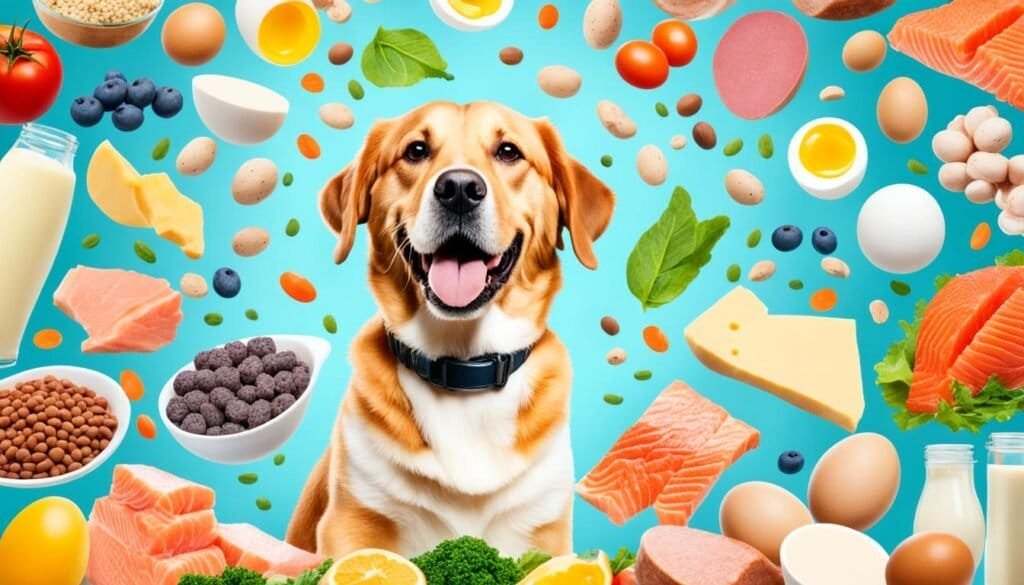
Cooked, unseasoned chicken, turkey, and beef are all great sources of protein-rich dog food for your dog. Make sure that all the bones are removed from these meats before serving, which reduces the risk of choking. Among the three, the most balanced meat is chicken, as it is high in protein but also low in fat, which makes it the healthiest type of dog-friendly protein sources to serve canines. All of these meats are excellent human foods dogs can eat, but dogs also need nutrients and vitamins from other sources to stay healthy. A purely all-meat diet for dogs will not suffice.
Cooked unseasoned fish is one of the healthiest dog-friendly fish treats for dogs. Fish is a good source of protein and omega-3 for dogs. The same rule for preparing chicken and beef treats also applies to fish: make sure that all the bones are removed. This is because fish bones are choking hazards for dogs.
Whether hard boiled or scrambled, cooked eggs can be a good treat to share with your canine buddy. Eggs are a great source of dog-safe eggs, protein, vitamin D, selenium, and riboflavin.
Cooked and chopped-up pumpkin is a healthy and nutritious snack for dogs. It is a good source of fiber and beta-carotene for dogs, which can help with digestion and improve the appearance of your dog’s coat. Pumpkin is also low in calories and fat, making it a good choice for low-calorie dog food for dogs who are overweight or prone to weight gain.
Cooked green beans are a good source of fiber, vitamin C, and other nutrients that can help support your dog’s overall health. Green beans are also low in calories and fat, so they are a healthy treat for dog-safe vegetables for dogs who are overweight.
Cooked and chopped carrots are healthy treats for your dog. Cooked carrots are a great source of fiber, vitamin A, and beta-carotene for dogs. Make sure that carrots are cooked sufficiently, since raw or semi-raw carrots can be difficult for dogs to digest.
Cooked spinach is a great source of fiber, vitamin A, vitamin K, vitamin C, and potassium. Being so nutrition-packed, it’s no surprise that spinach is good for people, dogs, and even cats. Being leafy and soft, cooked spinach does not need to be chopped up like the other veggies on this list of dog-safe leafy greens.
Most dogs actually like the taste and the CRUNCH of a fresh apple. Chopped apples are an excellent source of vitamin A, vitamin C, and fiber for dogs. Apples should be given in moderation. They contain naturally occurring fructose (a type of sugar), and that is still not good for canines in large quantities.
Many dogs LOVE bananas. Bananas are healthy treats for dogs because they are high in potassium, fiber, and magnesium. Just like apples (and most other dog-friendly fruits), bananas need to be given in moderation because of their high natural sugar content.
Cooked oatmeal contains vitamin B, which helps maintain a healthy coat, and linoleic acid, which is a type of omega-6 fatty acid that helps to maintain the strength of dogs’ skin. Thanks to its richness in soluble fiber, oatmeal has also become an increasingly common ingredient in fiber-rich dog food.
Supplementing Your Dog’s Diet with Healthy Human Foods
We hope you enjoyed this list of the human foods dogs can eat. As a reminder, dogs need a balanced dog diet, and the treats above (by themselves) are not enough to provide all the dog nutrition they need. They are not meant to replace a high-quality commercial dog food that is nutritionally complete. As always, if you have questions or concerns about your pup’s dog health or dog nutrition, we are here to help!
Importance of Moderation and Balance
When adding healthy dog treats to your pup’s diet, it’s important to maintain portion control for dogs. Even though these human foods are nutritious, they should only make up a small percentage of your dog’s overall canine dietary needs. Moderation and balance help your dog get all the necessary nutrients without risk of weight gain or other health issues.
Consulting with a Veterinarian
If you have questions or concerns about your pup’s dog nutrition or dog health, we are here to help! Sploot Veterinary Care is a primary and urgent care pet clinic with multiple convenient locations in Denver, open 365 days a year, with extended vet clinic hours each day. Book an appointment online or through the Sploot Vets app. We also encourage pet parents to give us a call for urgent intake appointments.
Preparing and Serving the Human Foods Dogs Can Eat
Safe Food Preparation Techniques
When you prepare the human foods dogs can eat as dog-safe food prep, follow safe food preparation techniques. That means removing all bones from meats, as cooked bones can splinter and pose a choking hazard for dogs. It’s also important to cook all meat, fish, and vegetables thoroughly without adding any seasonings, oils, or other potentially harmful ingredients.
Portion Control and Frequency
As a general guideline, treats should only make up about 10% of your dog’s overall diet, even if those treats are from the healthiest dog treats. It’s also important to monitor portion sizes and feed these treats infrequently, as even healthy foods can lead to weight gain or other issues if given to your dog in excess.
Bottom Line on Human Foods Dogs Can Eat
We hope this article gives you a clear picture of the human foods dogs can eat and how much to serve. Introduce new foods slowly, watch your dog’s reaction, and check with your veterinarian if you have any concerns about your dog’s dietary needs or health. By adding these nutritious whole foods to your dog’s balanced canine meals in small amounts, you can help support their overall well-being and strengthen the bond you share.
Treats should only account for a maximum of 10% of a dog’s daily calorie intake, as the calories in treats could lead to unnecessary weight gain. Dogs that are prone to bloat may benefit from smaller meals fed more frequently. Fish is a good source of omega-3s, but it can still trigger an allergic reaction in some dogs, so introduce it slowly.
A poor diet can be linked to health problems in dogs, from digestion troubles to weight gain. By sticking with the dog-friendly foods outlined in this article, you can help your canine companion get the nutrients they need. Always ask your veterinarian for personalized dog nutrition advice.
FAQ
What are the healthiest human foods dogs can eat?
Why are dogs considered omnivores?
What are the most common food allergies in dogs?
How should I prepare the human foods dogs can eat as treats?
How much human food can my dog have each day?
Why is it important to consult a veterinarian about my dog’s dietary needs?
Keep reading
- Homemade Dog Food: Balanced Meals You Can Cook at Home
- Best Puppy Food: What Growing Dogs Need in Year One
- Comparing Dog Food Brands: A Simple Three-Step Method
- What Makes a Dog Food Good: The Six Things That Matter
More in Food & Treats, or start from the Doggy Rank iQ homepage.