
As of 2026, the best puppy food is a complete and balanced formula made for growth, with the right calcium, enough calories and a kibble size your puppy can chew. Check the AAFCO statement on the bag for growth or all life stages, then match the formula to your puppy’s expected adult size.
This post explains how to choose the best puppy food, what changes as your dog grows through the first year, and when to switch to adult food. It also lists puppy formulas worth a look and a few adult foods to plan for later.
Choosing a puppy food can feel like a lot, especially when a young dog will happily eat almost anything within reach. It’s easy to assume that all kibbles are interchangeable, but picking the right dry food for a growing dog takes more thought, because the wrong formula can affect how a puppy grows and how well their stomach copes.
The full comparison lives in Best Dog Food: How to Choose the Right One for Your Dog.
Veterinary nutrition guidance suggests looking at the AAFCO statement, your puppy’s expected adult size, age, price, and even the smell when selecting a dry dog food. A higher-priced bag is not automatically a better fit, but higher-quality dog foods may save you money in the long run by supporting your pup’s health. If your budget is tight, a brand like IAMS is worth a look once your puppy moves on to adult food.
Key Takeaways
- Choosing the best puppy food means finding a complete and balanced formula for growth, with attention to AAFCO standards, expected adult size, age, price, and palatability.
- Higher-quality dog foods may cost more upfront but can save money on long-term veterinary expenses by supporting your pup’s health.
- Budget-friendly options like IAMS can suit dogs on a tight budget once they are adults, but check that the food meets your dog’s nutritional needs.
- The Association of American Feed Control Officials (AAFCO) sets the nutrient standards that foods are labeled against for different life stages.
- Factors like breed and size matter a great deal for puppies, especially large and giant breeds.
How to Feed the Best Puppy Food in Year One
Even the best puppy food only works if it is fed well. Pick a food whose AAFCO statement says it is complete and balanced for growth or for all life stages, and use the feeding guide on the bag as a starting point. Large and giant breed puppies do best on a formula made for large-breed puppies, which controls calcium and calories so bones grow at a steady pace.
Change foods slowly, over 7 to 10 days, by mixing a little more of the new food into the old food each day. Keep treats to no more than 10 percent of your puppy’s daily calories so they do not crowd out balanced meals.
Weigh your puppy and review portions at vet visits, including around four months, when growth is fast. Ask your vet when to switch to adult food, since small breeds usually finish growing sooner than large breeds. Also ask your vet before using any medical diet.
Choosing the Best Puppy Food: Factors to Consider
When selecting the best puppy food, several key factors help make sure your puppy gets the nutrition needed for growth. Among the most important considerations are the AAFCO statement and nutritional adequacy, the size and breed-specific formulas, the age and life stage requirements, the price and budgetary constraints, and the smell and palatability of the food.
AAFCO Statement and Nutritional Adequacy
The Association of American Feed Control Officials (AAFCO) is the leading body setting nutrient standards for pet foods. Manufacturers use these standards to back a label statement that the food is complete and balanced for a given life stage. For a puppy, look for a statement that mentions growth or all life stages.
Size and Breed-Specific Formulas
The nutritional needs of dogs can vary significantly based on their size and breed. Larger dogs typically require higher-quality protein sources to support their lean muscle mass, while smaller breeds may benefit from dog foods specifically formulated to address common health issues, such as skin allergies or digestive sensitivities. For puppies, large-breed formulas also manage calcium and calories so growth stays steady.
Age and Life Stage Requirements
Puppies, adult dogs, and senior canines all have unique nutritional needs. Puppy-specific foods are designed to provide the extra protein, fat, and vitamins and minerals necessary for proper growth and development, while adult dog food formulas are designed to maintain overall health once the growth phase is complete. The best puppy food matches that growth stage, and the switch to adult food should come when your vet says growth is done.
Price and Budgetary Considerations
While higher-quality food may cost more upfront, a nutritious diet can pay off over time by supporting better overall health and potentially reducing veterinary expenses. Aim for the best puppy food your budget allows, as the benefits of a well-balanced diet during growth can outweigh the initial cost.
Smell and Palatability
Dogs have a much stronger sense of smell than humans, and the aroma of their food can be a significant factor in their willingness to eat it. If a food’s scent is unappetizing to you, your puppy may turn up their nose at it as well. Choosing a highly palatable puppy food can help your pup enthusiastically clean their bowl at mealtimes.
Adult Dog Food Picks for When Your Puppy Grows Up
Your puppy will not stay on puppy food forever. Once your vet says growth is complete, these adult picks cover a variety of budgets, breeds, and coat health needs. Until then, stay with a puppy formula that suits your dog’s size.
Best Bargain Dry Dog Food: IAMS Adult Minichunks Small Kibble
For dog owners on a tight budget, IAMS Adult Minichunks Small Kibble is a reputable brand that adheres to AAFCO guidelines and features chicken as the first ingredient, providing good value for the price. This affordable option offers a nutritious and balanced diet without sacrificing quality.
Best for Soft and Shiny Coats: Nutro Natural Choice Adult Dry Dog Food
Nutro Natural Choice Adult Dry Dog Food is a well-respected brand that is enriched with vitamins and Omega-3 fatty acids to promote healthy skin and a soft, shiny coat, making it a great choice for long-haired breeds or dogs that need extra support for coat health.
Best for Big Dogs: Hill’s Science Diet Adult Large Breed Dry Dog Food
Large breeds have unique nutritional needs, and Hill’s Science Diet Adult Large Breed Dry Dog Food is a well-known option. This formula contains high-quality, easy-to-digest ingredients and high-quality protein to support lean muscles, making it a solid choice for large breeds.
Best for Small Dogs: Eukanuba Adult Small Bites Dry Dog Food
Designed with small dogs in mind, Eukanuba Adult Small Bites Dry Dog Food features a smaller kibble size that is easier for tiny mouths to chew. This formula is made to meet the specific nutritional needs of small breeds, so your small companion gets the balanced diet they require.
Puppy-Specific Nutrition: What the Best Puppy Food Provides
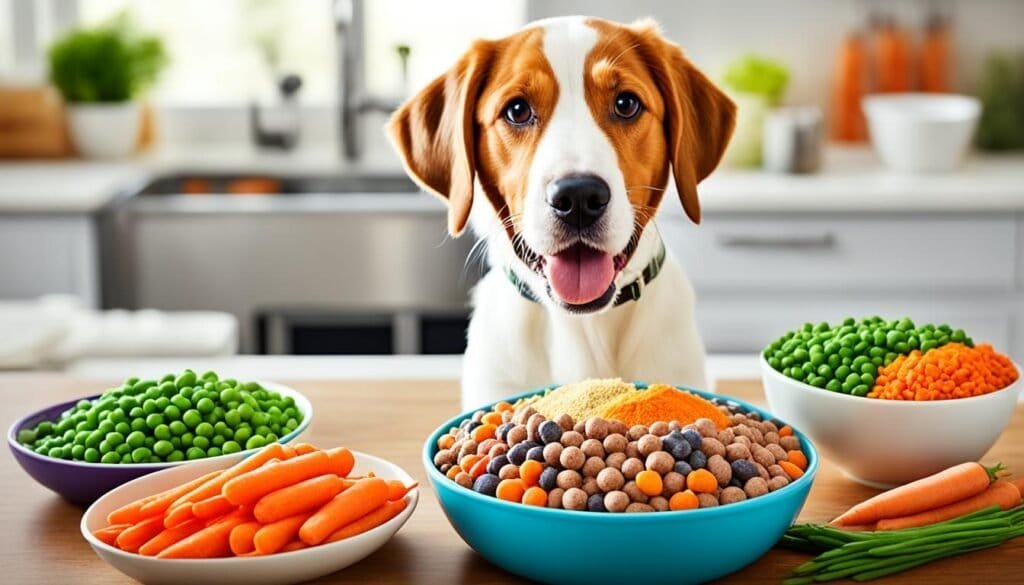
Puppies have unique nutritional needs that differ from their adult counterparts. To help your pup grow up healthy and strong, choose a puppy nutrition plan that meets those specific requirements. The best puppy food is built around them.
Quality Puppy Nutrition and AAFCO Standards
Puppies need a complete and balanced diet with quality protein, antioxidants, vitamins, and minerals. The Association of American Feed Control Officials (AAFCO) establishes strict requirements for puppy nutrition standards, so complete and balanced dog foods provide the necessary nutrients for growing pups.
Breed-Appropriate Formulas
A puppy’s nutritional needs can vary greatly depending on their breed and size. Breed-specific puppy food formulas are designed to meet the unique requirements of different dogs, whether they’re small, medium, large, or giant. The best puppy food for a Chihuahua is rarely the right one for a Great Dane. Selecting an appropriate breed-specific puppy food can help support your pup’s healthy development.
Personal Needs and Preferences
When choosing a puppy food, read the ingredient list and keep in mind that the order reflects the ingredients by weight. Seeing premium ingredients in the first few listed is often a sign of a quality puppy food option. Keep in mind that there is no one-size-fits-all puppy food, and some dogs have personal dietary needs or preferences that call for a different approach. Your vet can help you sort that out.
Palatability and Taste
Puppy food palatability is an important consideration, as some dogs may experience food allergies or have difficulty digesting certain formulas. When your pup finds their puppy food appealing, it can help encourage their appetite and build a healthy eating habit.
Best Puppy Food Picks by Size and Type
Pet owners have plenty of options for puppies. From budget-friendly formulas to recipes for specific breed sizes, the best puppy food depends on your dog’s size, age and needs. Here are some puppy foods worth a look.
Best Budget-Friendly Puppy Food: Blue Buffalo Life Protection Formula
Blue Buffalo Life Protection Formula Puppy Lamb & Oatmeal is a budget-friendly yet high-end formula that features two different recipes with their exclusive LifeSource Bits. These bits are full of antioxidants, minerals, and vitamins to support your puppy’s overall health and development, while keeping costs in check.
Best for Small Breed Puppies: Blue Buffalo Wilderness Nature’s Evolutionary Diet
Blue Buffalo Wilderness Nature’s Evolutionary Diet Puppy is a good choice for small breed puppies. This highly digestible, high-protein recipe is made to meet the nutritional needs of smaller pups, so they get the nutrients they need to thrive.
Best for Large Breed Puppies: Nulo Frontrunner Ancient Grains
Nulo Frontrunner Ancient Grains Puppy Chicken, Oats, & Turkey Recipe is a top pick for large breed puppies. This formula uses chicken and turkey as protein sources and includes prebiotic fiber to support healthy digestion, which matters during the rapid growth of larger dogs.
Best Dry Dog Food for Puppies: Merrick Grain-Free Puppy Real Texas Beef
Merrick Grain-Free Puppy Real Texas Beef + Sweet Potato Recipe is a dry food option for puppies. With its high-protein formula and mix of wholesome ingredients, this dry food provides the balanced nutrition growing pups need.
Best Wet Dog Food for Puppies: Nulo Freestyle Puppy Turkey, Cod & Sweet Potato
Nulo Freestyle Puppy Turkey, Cod & Sweet Potato is a wet food option for puppies. Canned food can help keep puppies hydrated, while the high-quality protein and nutrient-dense ingredients support their overall health and development.
Conclusion
Choosing the best puppy food comes down to several factors, including the AAFCO statement, size and breed-specific needs, age and life stage requirements, price and budgetary constraints, and palatability. This article has covered puppy foods for different sizes and types, plus adult dog food picks for the switch later on.
By understanding your puppy’s nutritional needs and preferences, you can give them a complete and balanced diet to support their overall health and well-being. A veterinarian can also give valuable insight into your dog’s specific dietary requirements. Investing in a high-quality, premium dog food brand can pay off over time by supporting your dog’s well-being and reducing the risk of health issues.
Every puppy is different, so watch how yours responds to a new puppy food and adjust as needed. Introducing changes gradually, over 7 to 10 days, helps protect your puppy’s stomach while they adjust.
FAQ
What are the most important factors to consider when choosing the right puppy food?
Why is the AAFCO statement important when selecting dog food?
How do the size and breed of a dog affect their nutritional requirements?
What are the different nutritional needs for puppies versus adult dogs?
Why is the price and budget an important consideration when choosing dog food?
How does a dog’s sense of smell affect their food preferences?
What are some of the best dog food options for adult dogs on a budget?
Which dog food is recommended for promoting healthy skin and coats?
What is the best dog food for large breed dogs?
What type of dog food is best for small breeds?
What are some of the best puppy food options on the market?
When should I switch from puppy food to adult food?
Keep reading
- Can Dogs Eat Grains and Dairy? What Is Safe
- How to Switch Dog Food Without Upsetting Their Stomach
- Best Wet Dog Food: When Canned Beats Kibble
- Best Dog Breeds for Apartment Living
More in Food & Treats, or start from the Doggy Rank iQ homepage.