The safest way to learn how to switch dog food is to change it slowly over 7 to 10 days, mixing a little more of the new food into the old food every couple of days. As of 2026, that gradual approach is still the standard advice from veterinarians and groups like the American Kennel Club, because it gives your dog’s gut time to adjust.
A sudden swap is what usually causes loose stools, gas, and a sulky appetite. This guide shows how to switch dog food day by day, which signs mean you should slow down, and what to check on the label before you buy the new bag.
This sits inside a bigger question: Best Dog Food: How to Choose the Right One for Your Dog.
Maybe you are changing foods because your dog is moving from puppy to adult food, has a sensitive stomach, or you simply want a better fit. Whatever the reason, knowing how to switch dog food properly saves you and your dog a few messy days. Along the way you will also find the basics on canine dietary requirements, dog food brands, and dog food labels, so the new food is a good match to begin with.
You do not need to be a nutrition expert. A clear plan, a little patience, and a close eye on your dog’s stool and appetite will cover most of it. If your dog has a health condition, ask your veterinarian before you change anything.
Key Takeaways
- Learn how to switch dog food over 7 to 10 days by mixing the new food into the old a little more every few days.
- Know the signs that mean you should slow the change down, such as soft stool, gas, or a dip in appetite.
- Understand your dog’s nutritional needs so the new food is a good match.
- Compare dry, wet, raw, and homemade options before you pick the next food.
- Learn to read dog food labels and AAFCO guidelines before you buy.
- Ask your veterinarian first if your dog has a medical condition or eats a prescription diet.
How to Switch Dog Food: Signs You Should Slow Down
Even with a gradual plan, some dogs need more time, and knowing how to switch dog food at your dog’s pace matters more than keeping to a fixed calendar. Mild signs that your dog is struggling include soft stool, extra gas, a slightly smaller appetite, or a gurgling stomach.
If you see these, go back to the last ratio your dog handled well and hold there for a few days before moving forward again. Dogs with sensitive stomachs often do better with a transition closer to 10 days, or even longer.
Vomiting, ongoing diarrhea, refusing meals, or a dog who seems tired or in pain is a reason to call your vet rather than wait it out. Puppies, senior dogs, and dogs on a prescription or medical diet should get a vet’s go-ahead before any change.
During the switch, keep treats modest (about 10 percent of daily calories or less) and avoid adding other new foods, so you can tell what is causing any upset.
Know Your Dog’s Nutritional Needs Before You Switch
Proper nutrition is vital for your dog’s health, energy, and well-being. Before you plan how to switch dog food, it helps to know what a balanced dog diet must include: the right amounts of proteins, fats, carbohydrates, vitamins, and minerals to support their unique nutritional needs.
Importance of Proteins, Fats, Carbohydrates, Vitamins, and Minerals
Proteins are essential for muscle growth and repair, while fats provide energy and aid in nutrient absorption. Carbohydrates offer a source of quick energy, and vitamins and minerals support various metabolic functions and maintain good health. Making sure your dog receives the right essential nutrients is important for their overall well-being.
Meeting Specific Nutritional Requirements for Life Stages and Activity Levels
The dog nutritional needs can vary depending on your dog’s age, breed, and activity level. Puppies, adult dogs, and senior dogs have different nutritional requirements to support their unique developmental and health needs. The dog activity level also influences the balance of nutrients in their diet. Your veterinarian can help you work out the best canine dietary requirements for your dog.
| Nutrient | Function | Best Sources |
|---|---|---|
| Proteins | Muscle growth and repair | High-quality meat, eggs, dairy products |
| Fats | Energy, nutrient absorption | Vegetable oils, fish, animal fats |
| Carbohydrates | Quick energy | Whole grains, fruits, vegetables |
| Vitamins and Minerals | Metabolic functions, health maintenance | Variety of fruits, vegetables, supplements |
Comparing Types of Dog Food Before You Switch

If you are deciding what to move your dog onto, you have several options, including dry kibble, wet canned food, and raw diets. Each type of dog food has its own advantages and disadvantages. A big change in type, such as kibble to wet food, is a good moment to go even more slowly.
Dry Dog Food: Pros and Cons
Dry dog food, also known as kibble, is a popular choice among pet owners due to its convenience and affordability. Containing around 90% dry matter and 10% water, dry dog food is a widely available and cost-effective option. The manufacturing process results in a shelf-stable product that is easy to store and transport. On the other hand, some downsides of dry dog food include a lower moisture content compared to wet or raw diets, as well as the potential for starch-based fillers and preservatives.
Wet Dog Food: Advantages and Disadvantages
Wet, or canned, dog food offers a higher moisture content, which can be beneficial for dogs with certain health conditions or those who struggle to stay hydrated. The increased moisture content can also make wet food more palatable for some dogs. On the downside, wet dog food is generally more expensive, has a shorter shelf life, and may contain more additives and preservatives than some high-quality dry dog foods.
Raw Diet: Benefits and Risks
A raw dog diet, consisting of uncooked meat, bones, and organs, has gained popularity in recent years due to its perceived health benefits. Proponents of the raw food diet claim it can improve coat condition, digestion, and overall well-being. Feeding a raw diet also carries potential risks, such as bacterial contamination, nutritional imbalances, and the potential for obstructing or damaging a dog’s digestive system. If you are thinking about how to switch dog food from kibble to a raw diet, research it thoroughly and talk with your veterinarian first.
| Dog Food Type | Pros | Cons |
|---|---|---|
| Dry Dog Food |
|
|
| Wet Dog Food |
|
|
| Raw Diet |
|
|
Decoding Dog Food Labels and AAFCO Guidelines
The dog food aisle can feel overwhelming, but understanding the information on dog food labels and the guidelines set by the Association of American Feed Control Officials (AAFCO) makes the choice easier. Reading the label carefully is the first step in how to switch dog food well, because the new food should be complete and balanced for your dog’s life stage.
Nutritional Adequacy Statements
The nutritional adequacy statement on the dog food label indicates whether the product meets AAFCO’s established nutritional standards for your dog’s life stage. This statement assures you that the food provides complete and balanced nutrition to support your dog’s growth, reproduction, or adult maintenance, depending on their specific needs.
Guaranteed Analysis
The guaranteed analysis on dog food labels provides critical information for comparing different dog foods. This section lists the percentages of crude protein, crude fat, crude fiber, and moisture content, allowing you to evaluate and compare the nutrient profiles of various dog food options. The “as fed” and “dry matter” analyses can give different pictures, so it’s best to focus on the dry matter analysis for more accurate nutrient comparisons.
Ingredient List
The ingredient list on dog food labels must be presented in descending order by weight, following AAFCO regulations. This is useful, but the order may not always reflect the nutritional value or quality of the ingredients, as the moisture content can affect the weight of certain ingredients. Some dog food brands also use tactics such as ingredient splitting to push less favorable ingredients down the list.
How to Switch Dog Food Over 7 to 10 Days
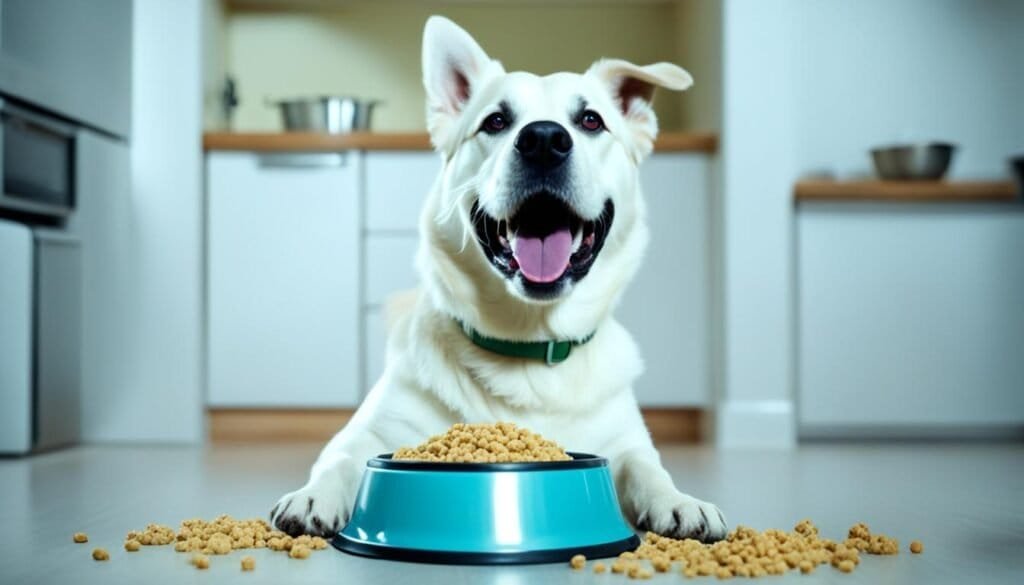
A new food should be introduced gradually so your dog’s digestive system is not upset. The American Kennel Club recommends a 7 to 10 day transition period when switching dog food or introducing new dog food. That slow pace is the core of how to switch dog food safely, since it lets your dog’s gut adapt and lowers the risk of gastrointestinal issues.
The typical transition process involves starting with a ratio of 25% new food to 75% old food, and then gradually increasing the proportion of the new diet over the course of a week. By day 7, your dog should be consuming 100% of the new dog food.
| Day | New Diet | Old Diet |
|---|---|---|
| 1 | 25% | 75% |
| 3 | 50% | 50% |
| 5 | 75% | 25% |
| 7 | 100% | 0% |
Watch your dog’s behavior, stool, and appetite throughout the dog food transition. Some dogs with sensitive stomachs or food allergies need a longer transition to adjust. A reliable rule for how to switch dog food is to let your dog set the pace, not the calendar. Keeping the new diet for at least two months will let you see its full benefits.
“For overweight or obese dogs, changing to a new diet might be more beneficial than simply reducing the quantity of the existing diet.”
By gradually introducing new dog food and closely observing your pup’s response, you can move to a diet that suits them without an upset stomach. Once you know how to switch dog food this way, future changes get much easier.
Choosing a New Food Your Pup Will Love
Considering Your Dog’s Preferences and Dietary Needs
Finding the right dog food for your pup requires considering their individual dog food preferences and dietary needs. Pay close attention to your dog’s flavor and texture preferences, as well as any specific health conditions or sensitivities they may have. Your veterinarian can also help you match your dog’s diet to their unique nutritional requirements.
Selecting Eco-Friendly and Sustainable Options
Many owners now care about the environmental impact of what they feed, and there are eco-friendly and sustainable dog food options to consider. Look for brands that use high-quality, natural ingredients and employ responsible sourcing and production practices. These choices can support your pup’s health and a more sustainable future.
By taking the time to understand your dog’s individual needs and preferences, and by looking at sustainable dog food options, you can find a food your dog enjoys and does well on. With a little research and guidance, the switch itself becomes the easy part.
Final Thoughts on How to Switch Dog Food
Changing your dog’s food does not have to mean a rough week. Understanding your dog’s nutritional needs, comparing types of dog food, reading labels, and choosing a food your dog likes all help, but the step that protects the stomach is a slow mix over 7 to 10 days.
Resources like Dog Food Advisor can offer insight on ingredient quality and safety. Every dog is different, so work with your veterinarian on how to switch dog food if your dog has health issues, a sensitive stomach, or a special diet.
Go slowly, watch for the signs that mean you should ease off, and adjust when needed. Your dog will be back to cleaning the bowl with a settled stomach before you know it.
FAQ
What are the essential nutrients dogs require in their diet?
What are the different types of dog food to consider?
How do I interpret the information on dog food labels?
How should I transition my dog to a new food?
What should I consider when choosing a new dog food?
Keep reading
- Best Puppy Food: What Growing Dogs Need in Year One
- How to Judge a Dog Food Brand Before You Buy It
- Dry, Wet or Raw Dog Food: Which One Suits Your Dog
- Best Dog Food: How to Choose the Right One for Your Dog
More in Food & Treats, or start from the Doggy Rank iQ homepage.