For most owners, the answer to dry vs wet vs raw dog food is the format that gives your dog complete and balanced nutrition, that they eat and digest well, and that fits your budget and routine. As of 2026, dry food is still the easiest to store and is often the most affordable, wet food suits picky eaters and dogs who need extra moisture, and raw food asks the most of you in handling and safety.
This guide compares dry vs wet vs raw dog food on cost, dental effect, storage and gut tolerance. It then covers labels, ingredients to avoid and special diets. Use it to narrow your choice, then check the final pick with your vet.
This sits inside a bigger question: Best Dog Food: How to Choose the Right One for Your Dog.
Whichever format you pick, dog nutrition comes down to the same basics. It helps to know which pet food ingredients to look for and which to avoid. This guide walks through the key factors in choosing a canine diet, such as high-quality protein sources, the place of natural dog treats and organic pet products, and the role of essential nutrients in your dog’s overall well-being.
At Hot Diggity Dog Resort, our aim is to point you to grain-free dog food and other pet food options that are nutritious and appealing. Whether you are weighing dry vs wet vs raw dog food for the first time or rethinking your current routine, this guide will help you read the pet food aisle with confidence.
Key Takeaways
- Balanced dog nutrition matters more than the format you choose, whether that is dry, wet or raw.
- The choice of dry vs wet vs raw dog food affects cost, storage, hydration and how your dog’s gut copes, so weigh each against your dog’s needs.
- Knowing what to look for on pet food labels, including AAFCO guidelines, can help you make informed decisions.
- Addressing specific dietary needs, such as pet obesity prevention and pet allergy management, is essential for your pet’s health.
- Exploring whole-pet care options, including organic pet products, can add to your dog’s nutrition.
- Sustainable sourcing and manufacturing practices can reduce the environmental impact of dog food production.
How to Choose Between Dry vs Wet vs Raw Dog Food
Start with your dog, not the format. Age, size, activity level, weight, dental health and any medical condition all shape what suits them. A food that works for a healthy adult may not suit a puppy, a senior or a dog with a sensitive stomach.
- Look for an AAFCO statement on the label saying the food is complete and balanced for your dog’s life stage. This applies to every format.
- Change foods slowly over 7 to 10 days, mixing a little more of the new food into the old each day. This gives the gut time to adjust, and it matters for any switch in dry vs wet vs raw dog food.
- Keep treats to no more than 10 percent of your dog’s daily calories, and count toppers and mix-ins too.
- Ask your vet before starting a raw diet or a medical diet, especially if your dog has a health condition or if young children or vulnerable adults share your home.
- Talk to your vet about dental care. No food type replaces regular tooth care.
If you are unsure, your vet can help you match a feeding plan to your dog’s weight, teeth and health history.
Why the Food You Choose Matters for Your Dog
The food your dog eats plays a big role in their health. Just like humans, dogs need balanced dog nutrition to thrive. Choosing healthy pet food gives your dog the nutrients they need to support their immune system, keep a healthy weight and feel well. A complete and balanced diet matters more than whether the bowl holds kibble, canned or raw food, so judge dry vs wet vs raw dog food by how well each one meets that standard.
A Balanced Diet for Good Health
High-quality pet food contains a balance of protein, carbohydrates, fats, vitamins, and minerals, which support your pet’s growth, energy levels, and overall development. By feeding them a diet rich in these nutrients, you are giving them the best chance at a long and healthy life.
Essential Nutrients for Growth and Development
Providing your pet with a canine diet that includes high-quality protein sources, healthy fats, and essential vitamins and minerals is important for their growth and development. This can help maintain a strong immune system, promote a healthy coat and skin, and support overall well-being.
Real and Recognizable Ingredients
Look for pet food that is made with real and recognizable ingredients, and try to avoid products that contain artificial preservatives, colors, and flavors. Many owners prefer natural dog treats and organic pet products instead of foods with these additives.
Common Ingredients to Avoid in Pet Food
It helps to be aware of the common ingredients in pet food that can pose potential risks. Artificial preservatives, colors, fillers, and by-products are all ingredients many owners aim to avoid when selecting the healthiest options for their dogs.
Artificial Preservatives
Artificial preservatives like BHA (butylated hydroxyanisole), BHT (butylated hydroxytoluene), and ethoxyquin are often used in pet food to extend shelf life. Their safety is debated, and many owners choose more natural alternatives like Vitamin E and rosemary extract.
Artificial Colors
Artificial colors like Red 40 and Blue 1 serve no nutritional purpose and can potentially cause allergies and other health problems in pets. It’s best to choose pet food that uses natural ingredients and avoids these unnecessary additives.
Fillers
Fillers, such as corn, wheat, and soy, are low-quality ingredients used to bulk up pet food at a low cost. These fillers offer minimal nutritional value and can lead to digestive issues and allergies in your pet. Look for pet food that uses high-quality protein sources and whole grains instead.
By-products
By-products, which are the leftover parts of animals that are not typically used for human consumption, are often of lower quality compared to meat from muscle tissue. These by-products can include organ meats and other parts that may not suit every pet. Opt for pet food that uses human-grade ingredients whenever possible.
By avoiding these common, potentially harmful ingredients and selecting pet food that prioritizes high-quality, natural ingredients, you give your dog a better chance at good nutrition and overall well-being.
Understanding Pet Food Labels
Pet food labels can be confusing, with all the marketing jargon and claims. Understanding how to read and interpret these labels is essential in making informed decisions about the food you choose for your pets. Labels work the same way across dry vs wet vs raw dog food, so once you can read one, you can read them all. The
Ingredients List
is a good starting point to assess the quality of pet food, as ingredients are listed in descending order by weight, and the first few ingredients should be high-quality protein sources.
The
Guaranteed Analysis
section provides information about the minimum or maximum amounts of certain nutrients in pet food, which you can compare to your pet’s nutritional requirements. The
AAFCO Statement
on the pet food label indicates that the product meets the minimum nutritional requirements for pets at a specific life stage, as set by the Association of American Feed Control Officials (AAFCO).
The
Feeding Instructions
provide guidance on how much food to give your pet based on their weight and age, which can be used as a starting point, but should be adjusted based on your pet’s individual needs.
Dry vs Wet vs Raw Dog Food: How the Three Types Compare
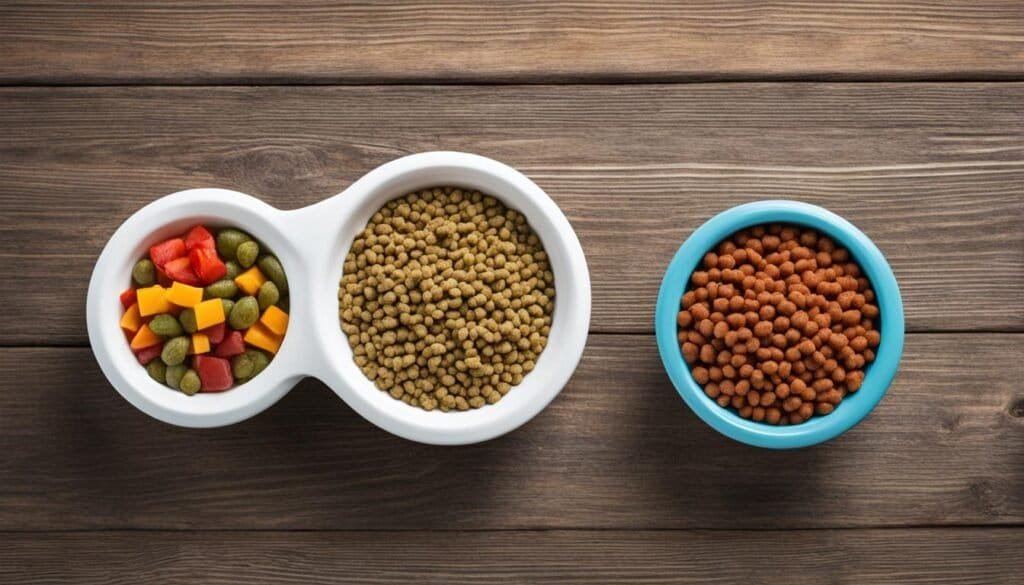
Here is how dry vs wet vs raw dog food compare on cost, storage and convenience. Dry pet food, also known as kibble, is the most common type of pet food available on the market. It is convenient, easy to store, and often more affordable than other options, but may contain more fillers and preservatives than other types of pet food.
Wet pet food, also known as canned food, comes in a moist and soft texture, which can be more palatable and appetizing for pets, and can be beneficial for pets that don’t drink enough water, but can be more expensive and have a shorter shelf life once opened.
Dry Dog Food
Dry pet food, or kibble, is a popular choice for many pet owners due to its convenience, budget-friendly nature, and longer shelf life. Keep in mind that dry dog food may contain a higher proportion of fillers and preservatives compared to other types of pet food.
Wet Dog Food
Wet pet food, or canned food, can be more hydrating and appealing to pets, especially for those with oral pain or difficulty chewing. This type of pet food is generally more expensive and has a shorter shelf life once opened, but it can be a good option for adding moisture and palatability to your dog’s diet.
Raw Dog Food
Raw pet food is a more controversial option, as it involves feeding pets a diet consisting of uncooked meat, bones, fruits, and vegetables. Advocates believe this provides a more natural and species-appropriate diet for pets, but it requires careful handling and can pose health risks if not prepared and stored properly.
The right pick in dry vs wet vs raw dog food depends on your dog’s individual needs and preferences, and some owners mix different types to provide variety and a well-rounded diet. Gut tolerance varies from dog to dog, so introduce any change slowly.
Considerations for Specific Dietary Needs
Just like humans, pets may have specific dietary needs or sensitivities that call for special care when choosing their food. Some pets may have allergies or sensitivities to grains, such as corn, wheat, and soy, and grain-free pet food options that use alternative sources of carbohydrates can be beneficial for these pets.
Grain-Free Diets
Grain-free dog food can be a suitable option for pets with sensitivities to common grains, as it uses alternative carbohydrate sources like potatoes, legumes, or tapioca. These diets may help ease digestive issues, skin problems, and other allergy-related symptoms in affected dogs.
Hypoallergenic Diets
Hypoallergenic dog food is specifically formulated to minimize the risk of triggering an allergic reaction. These diets often use novel protein sources, such as venison or duck, to avoid common allergens like beef, chicken, or dairy. Consulting with your veterinarian is important in determining the best hypoallergenic diet for your pet’s individual needs.
Weight Management Diets
Overweight pets are at a higher risk of developing health issues, such as diabetes and joint problems. Weight management dog food is specially formulated to help pets lose weight or maintain a healthy weight, typically with reduced calorie and fat content, and increased fiber to promote feelings of fullness.
Age-Specific Diets
Pets have different nutritional needs at different stages of life, and age-specific dog food is designed to support the specific requirements of puppies, adults, and senior pets. Ensuring your dog receives the appropriate nutrients for their life stage can help maintain their overall health and well-being.
Your veterinarian can tell you how a special need changes the dry vs wet vs raw dog food choice for your dog. By addressing any specific dietary requirements, you can help your dog get the nutrition they need to thrive.
Dog Nutrition Basics Behind Dry vs Wet vs Raw Dog Food
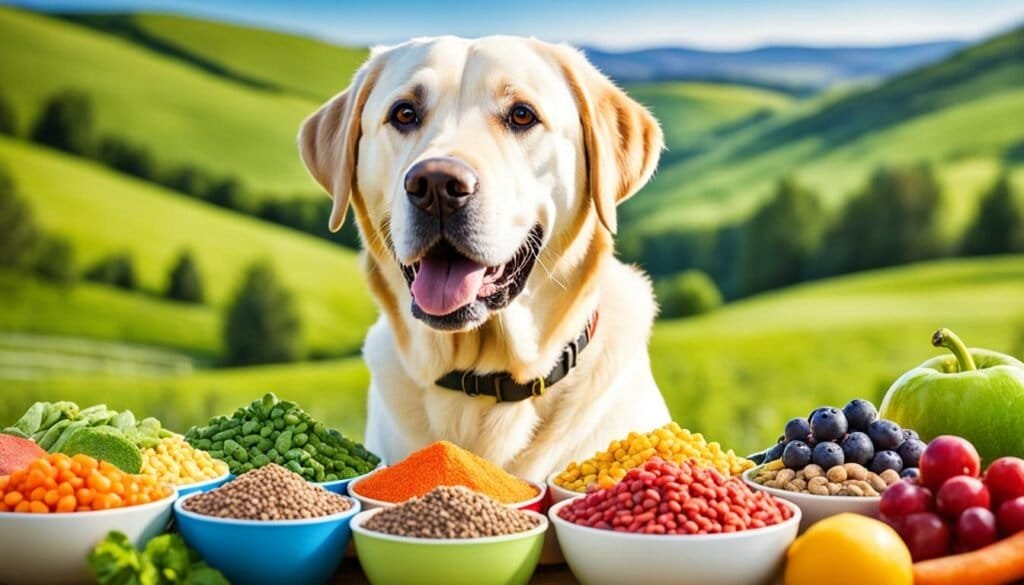
These basics apply whichever format you choose. Understanding the importance of proper dog nutrition, including the roles of proteins, fats, carbohydrates, vitamins, and minerals, is important in keeping your dog healthy and well.
Understanding Dog Nutrition
A balanced diet that meets your dog’s unique nutritional requirements is vital for their growth, energy levels, and overall well-being. Look for dog food formulas that provide high-quality protein sources, complex carbohydrates, and essential vitamins and minerals to support your pet’s health.
Comparing Dry, Wet, and Raw Diets
The choice of dry vs wet vs raw dog food comes down to the pros and cons of the three main types of pet food (dry, wet, and raw) and how each fits your dog’s individual needs and preferences. Each option has its own benefits, and many pet owners choose to mix different types of food to provide a well-rounded diet.
Decoding Dog Food Labels and AAFCO Guidelines
Decoding dog food labels and understanding AAFCO guidelines can help you make informed choices about the dog food you select. Look for the AAFCO statement on the label to ensure the product meets the minimum nutritional requirements for your pet’s specific life stage.
Meeting Specific Nutritional Requirements
Whichever format you lean toward, consider your pet’s individual needs, such as grain-free, hypoallergenic, weight management, and age-specific diets. Consult with your veterinarian to determine the best options for your dog’s overall health and well-being.
With these basics in hand, you can pick the dog food format that supports your pet’s health and longevity.
Eco-Friendly and Sustainable Dog Food Options
As a responsible pet owner, you may want to consider the environmental impact of the pet food industry. Packaging and sourcing differ by format, so the dry vs wet vs raw dog food decision has an environmental side too. Selecting eco-friendly and sustainable dog food can help reduce your pet’s carbon footprint and support a more environmentally conscious approach to pet care.
Sustainable Sourcing and Manufacturing
Look for dog food brands that prioritize sustainable sourcing and manufacturing practices. These companies may use ethically sourced ingredients, such as Petaluma Dog Food’s Roasted Peanut Butter & Sweet Potato Flavor, which donates 1% of sales to fight climate change and food insecurity. Brands like Jiminy’s Cravin’ Cricket Dry Dog Food use alternative protein sources, like insects, which have a lower carbon footprint and water usage compared to traditional protein options.
Reducing Waste and Packaging
Minimizing waste and packaging is another important aspect of eco-friendly dog food. For example, Open Farm Goodbowl Salmon & Brown Rice Recipe for Dogs is available in a 22-pound pack, reducing the amount of packaging required. Halo’s adult vegan plant-based recipe with superfoods comes in a 3.5-pound bag, which can help pet owners reduce waste and opt for more sustainable packaging options. While the cost of sustainable and eco-friendly dog food may be higher than traditional options, the long-term benefits for the environment and your pet’s health make it a worthwhile investment.
Some dogs may not enjoy the taste of certain eco-friendly ingredients, such as insect protein or salmon, and the availability of sustainable dog food options may vary in different regions. Still, by making conscious choices about the dog food you purchase, you can give your pet healthy options while supporting a more sustainable future for the planet.
Conclusion
The right pick in dry vs wet vs raw dog food is the one that gives your dog complete and balanced nutrition, suits their teeth, gut and weight, and fits your budget and storage space. From a balanced diet and essential nutrients to ingredients to avoid, label reading and the differences between dry, wet and raw, you now have the knowledge to make informed decisions about your dog’s nutrition. By taking the time to research and select the best food for your pet’s specific needs and preferences, you are investing in their overall health and a long, healthy life.
Always consult your veterinarian for personal guidance, and consider eco-friendly and sustainable dog food options that care for the environment as well as your pet’s nutritional requirements. With the points covered here, you can walk the pet food aisle with confidence, knowing your dog receives the dog nutrition, pet food ingredients, and canine diet they need to thrive. By making informed choices about natural dog treats, grain-free dog food, and organic pet products, you can also contribute to the prevention of pet obesity, effective pet allergy management, and a more whole-pet care approach.
FAQ
What are the key factors to consider when choosing the healthiest pet food?
How can I read and interpret pet food labels to make informed decisions?
In dry vs wet vs raw dog food, which one is best for my dog?
How do I know if my pet has specific dietary needs or sensitivities?
What are the environmental considerations when choosing pet food?
Keep reading
- What Makes a Dog Food Good: The Six Things That Matter
- How to Judge a Dog Food Brand Before You Buy It
- How to Switch Dog Food Without Upsetting Their Stomach
- Best Dog Food: How to Choose the Right One for Your Dog
More in Food & Treats, or start from the Doggy Rank iQ homepage.