Is sustainable dog food worth buying in 2026? Yes, when the brand backs its claims with certified sourcing, packaging you can actually recycle, and clear details about where its ingredients come from.
Plenty of green-looking bags offer little proof, so this article shows which certifications to look for, what recyclable packaging really means, and where greenwashing tends to hide. It also covers how to switch foods safely, because an eco-friendly choice still has to be complete and balanced for your dog.
With so many types of dog food on the shelf, choosing the best food for your pup can feel overwhelming. Below are tips for matching your dog’s diet to their individual needs, plus a comparison of dry dog food, wet dog food, and raw diets, so you can feel confident that you’re providing the best possible care.
If you are still deciding, start with Best Dog Food: How to Choose the Right One for Your Dog.
Key Takeaways
- Understand the importance of dog nutrition and the essential nutrients your pet requires.
- Explore the differences between dry dog food, wet dog food, and raw diets to make the best choice for your canine.
- Learn how to decode dog food labels and AAFCO guidelines to ensure your pet’s dietary needs are met.
- Discover how to select the right dog food based on your pet’s life stage, activity level, and any food allergies or sensitivities.
- Choose sustainable dog food backed by real certifications and recyclable packaging to reduce your pet’s environmental impact.
How to Spot Sustainable Dog Food and Avoid Greenwashing
Greenwashing happens when packaging and marketing suggest environmental benefits that the brand has not actually documented. Words like “eco,” “green,” or “planet-friendly” are marketing, not proof. When you evaluate sustainable dog food, look for named certifications, specific details about sourcing, and packaging instructions you can follow at home.
- Check the label for an AAFCO statement saying the food is complete and balanced for your dog’s life stage. Sustainability never replaces nutrition.
- Ask what “recyclable” means in practice. Some packaging is only accepted by certain local programs, so check your own recycling rules.
- Switch foods slowly over 7 to 10 days, and keep treats to no more than 10 percent of your dog’s daily calories.
- Ask your veterinarian before changing foods if your dog has a medical condition or eats a prescribed diet.
Nutrition Basics Before You Choose Sustainable Dog Food
Proper nutrition plays a vital role in your dog’s overall health and wellbeing. To ensure your dog maintains its energy, has a strong immune system, and develops and maintains healthy bones and muscles, a balanced diet needs the right amounts of proteins, fats, carbohydrates, vitamins and minerals. By understanding the key components of canine dietary requirements, you can provide your dog with a nutritious and balanced diet that caters to their specific needs.
Proteins
Proteins are essential for muscle growth and repair in dogs. They are the building blocks that support the development and maintenance of strong, healthy muscles. A diet rich in high-quality proteins, such as those found in lean meats, poultry, fish, and eggs, can help your dog thrive and maintain an active, energetic lifestyle.
Fats
Fats provide your dog with a concentrated source of energy and aid in the absorption of essential vitamins and minerals. They also contribute to the health of your dog’s skin and coat. A balanced dog diet should include the right types and amounts of healthy fats, such as those found in fish oils, avocados, and certain plant-based oils.
Carbohydrates
Carbohydrates offer a readily available source of energy for your dog’s body. They can come from grains, vegetables, and other plant-based sources. While dogs are not obligate carnivores, carbohydrates should be included in their diet in moderation, as part of a well-rounded and nutritious meal plan.
Vitamins and Minerals
Vitamins and minerals are important for a variety of metabolic functions and maintaining good health in dogs. They support the immune system, promote healthy skin and coat, and ensure proper growth and development. A balanced dog food should contain an appropriate mix of essential vitamins and minerals to meet your pet’s individual needs.
By understanding the importance of these key nutritional components, you can make informed decisions about your dog’s diet and ensure they receive the balanced nutrition they need to thrive. Consulting with your veterinarian can also help you create a customized feeding plan that caters to your dog’s unique health and lifestyle requirements.
Comparing Different Types of Dog Food
Several factors should be taken into account when selecting the best dog food for your companion, including your dog’s age, breed, activity level, and overall health status. These variables can greatly influence your dog’s nutritional requirements and help determine the appropriate type of dog food and portion sizes.
Dry Dog Food
Dry dog food, also known as kibble, is a convenient and economical option for many pet owners. Dry dog food is typically less expensive to produce compared to wet dog food, making it a more budget-friendly choice. It may contain preservatives and have less moisture content than wet food, which can impact your dog’s hydration levels. Factors to consider when choosing a high-quality dry dog food include the AAFCO statement, nutritional guidance, breed size, and price point.
Wet Dog Food
Wet dog food, or canned food, is generally more palatable and hydrating for dogs compared to dry kibble. The increased moisture content can be beneficial for dogs who struggle to stay hydrated or have specific health conditions. Wet dog food may also appeal to picky eaters. Wet dog food can be more expensive and have a shorter shelf life than dry options. Pet owners should weigh the benefits of increased moisture and palatability against the higher cost and potential for spoilage when selecting wet dog food.
Raw Diet
Raw dog diets, consisting of uncooked meat, bones, organs, and other unprocessed ingredients, have gained popularity in recent years. Proponents of raw feeding claim it can improve coat and skin condition, as well as provide other health benefits. Raw diets also require careful handling to avoid bacterial contamination, and may not provide balanced nutrition without proper supplementation. Pet owners considering a raw diet should consult with a veterinarian or canine nutritionist to ensure their dog’s dietary needs are met.
The type of dog food you choose should match your individual dog’s needs and preferences, taking into account factors such as age, activity level, and any health concerns. By understanding the pros and cons of dry, wet, and raw dog food options, you can make an informed decision to provide your canine companion with the best possible nutrition.
| Feature | Dry Dog Food | Wet Dog Food | Raw Diet |
|---|---|---|---|
| Moisture Content | Lower | Higher | Highest |
| Cost | Lower | Higher | Varies |
| Shelf Life | Longer | Shorter | Shortest |
| Palatability | Moderate | Higher | Highest |
| Convenience | Higher | Lower | Lowest |
| Dental Benefits | Higher | Lower | Varies |
Reading Labels and AAFCO Guidelines on Sustainable Dog Food
Understanding the dog food labels and guidelines set by the Association of American Feed Control Officials (AAFCO) is a big help when choosing a food. The AAFCO establishes standards for pet food regulations, which help you make informed decisions about the nutritional adequacy and quality of different dog food options.
Keeping an eye out for the AAFCO statement on the label is important, as it indicates that the product meets the organization’s established nutritional standards. This assurance helps ensure your dog is getting a balanced and complete diet.
The guaranteed analysis on the label also gives useful detail about the specific nutrients present in the dog food, such as protein, fat, fiber, and moisture content. This information allows you to evaluate whether the food aligns with your dog’s unique dietary needs.
Nutritional adequacy and life stage claims can also provide helpful guidance when selecting the right dog food for your pet. These claims can indicate if the food is suitable for puppies, adults, or senior dogs, ensuring your dog receives the appropriate nutrients for their stage of life.
By decoding the dog food labels and understanding the AAFCO guidelines, you can sort through the many options and confidently choose a nutritionally adequate dog food that meets your pet’s specific requirements. A green label does not replace a complete and balanced statement, so look for both on any sustainable dog food you consider.
Meeting Specific Nutritional Requirements
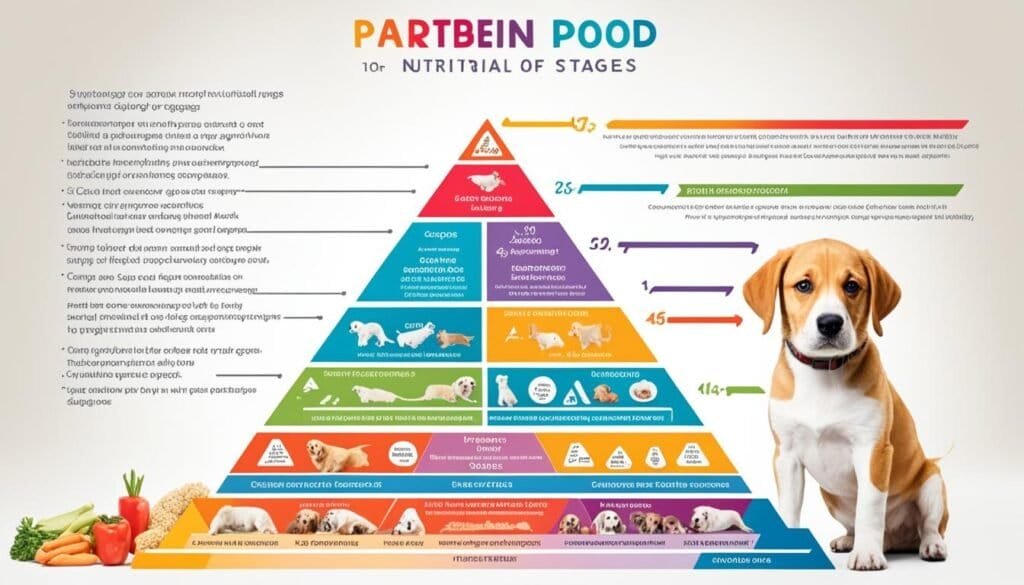
As your dog moves through different life stages and activity levels, their nutritional needs can change significantly. Understanding these unique requirements is key to giving your canine companion a balanced diet that fits them.
Life Stages
Puppies, for instance, require higher levels of protein and fat to support their rapid growth and development. On the other hand, senior dogs may need fewer calories to maintain a healthy weight. Adapting your dog’s dog food for life stages is essential for meeting their evolving canine dietary requirements.
Activity Levels
The amount of active dog food your pup needs depends on their daily activity level. High-energy dogs, such as working or herding breeds, require more calories and nutrients to fuel their active lifestyles. Conversely, less active or senior dogs may thrive on a lower-calorie diet.
Food Allergies and Sensitivities
If your dog has any dog food for allergies, you’ll need to pay close attention to the ingredients in their diet. Common allergens include beef, chicken, dairy, and wheat. Selecting a dog food for allergies that avoids these triggers can help alleviate symptoms and keep your dog healthy.
Supplements
In some cases, dog supplements can be beneficial for addressing specific health concerns or providing additional pet nutrition. It’s essential to consult with your veterinarian before introducing any supplements to your dog’s diet to ensure they’re safe and appropriate for your pet’s individual needs.
Selecting Eco-Friendly and Sustainable Dog Food Options
Food production has an environmental cost, so it makes sense to weigh that when choosing what goes in your dog’s bowl. Choosing sustainable dog food can help reduce your pet’s carbon footprint, but only when the brand’s claims hold up. Look for eco-friendly dog food brands that prioritize sustainable sourcing and manufacturing practices to minimize waste and emissions.
Sustainable pet food options often feature ethically sourced ingredients, recyclable packaging, and production methods that prioritize environmental stewardship. By choosing environmentally-friendly dog food, you can contribute to reducing the overall carbon footprint of dog food production and distribution, while providing your pet with high-quality, nutritious meals.
Some key factors to consider when selecting sustainable dog food include the brand’s use of renewable energy, efforts to minimize waste and packaging, and certifications that validate their commitment to environmental responsibility, such as B Corps, Climate Neutral Certified, and 1% for the Planet.
Brands that often come up in conversations about sustainable dog food include Chippin, Farmer’s Dog, Jiminy’s, Nature’s Recipe, Open Farm, Petaluma, Pet Plate, Portland Pet Food Company, Stella & Chewy’s, The Honest Kitchen, and Wild Earth. Treat this list as a starting point rather than an endorsement, and check each brand’s own sustainability reporting and certifications before you buy.
By prioritizing eco-friendly dog food and sustainable pet food choices, you can contribute to a healthier environment while ensuring your dog receives the high-quality, balanced nutrition they need to thrive.
Transitioning Your Dog to a New Diet
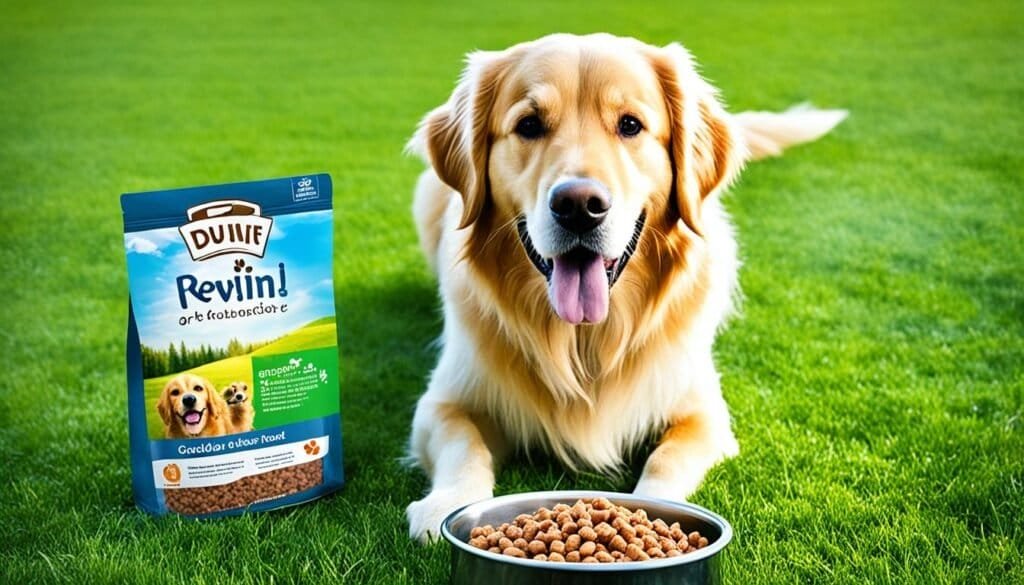
Transitioning your dog to a new diet should be done gradually to avoid upsetting their digestive system. The American Kennel Club (AKC) recommends starting by mixing a small amount of the new food with the old food and gradually increasing the new food’s proportion over 7-10 days. This gentle introduction of the new dog food allows your pet’s body to adapt to the changes.
As you transition your dog to a new diet, be sure to monitor their reaction, including their appetite, energy levels, and any changes in stool consistency or frequency. Adjust the new food’s proportion if needed, and consult a veterinarian for guidance, especially if your dog has existing health conditions or specific dietary needs.
| Transition Timeline | Old Food | New Food |
|---|---|---|
| Days 1-3 | 75% | 25% |
| Days 4-6 | 50% | 50% |
| Days 7-10 | 25% | 75% |
| Day 11 and beyond | 0% | 100% |
By following this gradual dog food transition approach, you can help ensure your pup’s digestive system adjusts smoothly to the new diet, minimizing the risk of gastrointestinal upset or other adverse reactions.
What to Check Before Buying Sustainable Dog Food
Ingredients to Avoid
When selecting a best dog food brand, it’s important to know which ingredients many owners choose to avoid. These include artificial preservatives like BHA, BHT, and ethoxyquin. Artificial colors add nothing to nutrition, and fillers like corn, wheat, and soy are often debated. Named meat sources are generally easier to evaluate than by-products, so vague ingredient wording is a sign to look closer.
Lack of Oversight in Pet Food Manufacturing
Pet food oversight relies heavily on industry standards and manufacturer testing, so labels deserve a careful read. Weak pet food manufacturing practices have led to recalls and dog food contamination risks in the past, which is why quality control and transparency matter. Green marketing terms such as “eco-friendly” are also not the same as a verified certification.
Contamination Risks
Gaps in oversight can raise the risk of dog food contamination. Be cautious with any best dog food brand that is vague about its ingredients or how the food is made. Staying informed about recalled pet food and understanding the importance of quality control can help pet owners make better choices, and checking the recall history is worthwhile even for sustainable dog food.
Conclusion
Choosing the best dog food for your dog’s health and canine nutrition involves understanding your dog’s unique needs, decoding pet food labels, and considering factors such as ingredients, life stages, and dietary preferences. Consulting a veterinarian and paying close attention to your dog’s reaction to dietary changes can help ensure your pet receives the nutrition they need to thrive.
In 2026, sustainable dog food is worth buying when it is complete and balanced, certified where it claims to be, and honest about its packaging. This article covered essential nutrients, label reading, and dog food buying guide basics, so you can feel more confident selecting healthy dog food for your companion.
A balanced diet rich in proteins, fats, carbohydrates, vitamins, and minerals supports your dog’s energy levels and overall well-being. By prioritizing your pet’s nutritional needs first and sustainability second, you give your dog a strong foundation for a healthy life.
FAQ
What factors should I consider when selecting the best dog food for my pet?
What are the main nutritional components I should look for in dog food?
What are the differences between dry, wet, and raw dog food?
How can I interpret dog food labels and understand AAFCO guidelines?
How can I ensure my dog’s specific nutritional needs are met?
What should I consider when transitioning my dog to a new diet?
What ingredients should I avoid in dog food, and why?
How can I tell if sustainable dog food is truly eco-friendly?
Keep reading
- What Makes a Dog Food Good: The Six Things That Matter
- How to Judge a Dog Food Brand Before You Buy It
- Purina Dog Food Review: Ranges, Prices and Who It Suits
- Best Dog Food: How to Choose the Right One for Your Dog
More in Food & Treats, or start from the Doggy Rank iQ homepage.