The best dog food for specific needs is one that matches the problem your vet has identified, whether that is extra weight, stiff joints, itchy skin or an unsettled gut. In 2026, that means checking the ingredient list, the guaranteed analysis and the AAFCO statement instead of trusting front-of-bag phrases like “joint support” or “digestive care.”
Choosing dog food for specific needs does not take a nutrition degree, but it helps to know what each type of formula is built to do. Below you will find the nutrition basics, how to read a label, and where weight, joint, skin and gut formulas fit. Talk to your vet before starting any diet for a medical issue.
Pet food labels carry plenty of marketing language, so finding the right formula can feel confusing. A clear method for judging dog food for specific needs keeps you focused on what is actually in the bag, so your dog gets the nutrition they need.
Working out the basics first? Read Best Dog Food: How to Choose the Right One for Your Dog.
Are you trying to find the right food for a dog with a health concern? This article explains what to look for in protein sources, ingredients and labels, so you can make informed decisions about what you feed your dog. From high-quality protein to natural ingredients, here is what matters.
At Hot Diggity Dog Resort, we prioritize your pet’s health and happiness. Our goal is to give you the knowledge to choose food that is both nutritious and appealing. We cover dog nutrition, pet food ingredients, and canine diet basics so you can make good choices for your dog.
Key Takeaways
- Understanding the importance of high-quality protein sources in pet food
- Exploring the benefits of organic and natural ingredients for your pets
- Decoding pet food labels to identify premium dog food brands and make informed decisions
- Understanding grain-free dog food and hypoallergenic dog food formulas
- Matching dog food for specific needs (weight, joints, skin and gut) to the right type of formula
- Learning the role of essential nutrients in your pet’s overall well-being
How to Choose Dog Food for Specific Needs Safely
Start with your vet. Weight gain, joint pain, itchy skin and digestive upset can all have medical causes, so ask whether a prescription or therapeutic diet is a better fit than an over-the-counter formula.
- Check for an AAFCO statement saying the food is complete and balanced for your dog’s life stage.
- Introduce any new food over 7 to 10 days by mixing it with the old food a little more each day.
- Keep treats to no more than 10 percent of daily calories, especially for dogs on a weight plan.
- Change one thing at a time, so you can tell what is helping and what is causing trouble.
These steps apply to every dog food for specific needs, from weight control to sensitive skin and stomach formulas.
Nutrition Basics Behind Dog Food for Specific Needs
Just like humans, pets need a balanced diet to thrive and maintain good dog nutrition. Choosing healthy pet food is essential in providing your dog with the nutrients they need to support their immune system, maintain a healthy weight, and promote overall well-being. High-quality pet food contains a balance of protein, carbohydrates, fats, vitamins, and minerals. These nutrients support your pet’s growth, energy levels, and overall development. Every dog food for specific needs starts from this same balance, then adjusts it for one concern. Feeding a diet rich in these nutrients gives your dog the best chance at a long, healthy life.
Essential Nutrients for Dogs
For a healthy canine diet, pet owners should look for premium dog food brands that offer a balanced mix of essential nutrients. These include high-quality proteins, complex carbohydrates, healthy fats, vitamins, and minerals. By ensuring your dog’s diet includes the right combination of these nutrients, you can support their overall health and well-being.
Identifying High-Quality Protein Sources
One of the most important factors in choosing a healthy pet food is the quality of the protein sources. Identifying high-quality protein sources matters, because they give your pet the building blocks for muscle development, tissue repair, and immune function. Look for dog food that lists real meat, poultry, or fish as the primary protein source, rather than plant-based proteins or by-products. The same rule applies to any dog food for specific needs, including weight formulas.
Common Ingredients to Avoid
When selecting pet food, look for products that use real and recognizable ingredients. Avoid foods that contain common ingredients to avoid in pet food, such as artificial preservatives, colors, and flavors, as some dogs react poorly to these additives. Instead, opt for pet food that is made with natural and whole ingredients, as these are more easily digested and provide a higher nutritional value.
Reading Labels on Dog Food for Specific Needs
Pet food labels can be confusing, with all the marketing jargon and claims. Understanding how to read pet food labels is essential in making informed decisions about the food you choose for your pets. The ingredient list is a good starting point to assess the quality of pet food, as ingredients are listed in descending order by weight. The guaranteed analysis section provides information about the minimum or maximum amounts of certain nutrients in pet food, such as protein, fat, fiber, and moisture content. Compare these values to your pet’s nutritional requirements to ensure they are getting the right balance of nutrients. Front-of-bag phrases such as “joint support” or “skin care” are only packaging language until the ingredient list and guaranteed analysis show what is behind them.
Guaranteed Analysis
The guaranteed analysis on pet food labels provides the minimum or maximum amounts of certain nutrients, including crude protein, crude fat, crude fiber, and moisture content. This information allows you to compare the nutritional profile of different pet food brands and ensure your pet is getting the appropriate balance of nutrients for their specific needs.
Ingredient List
The ingredient list on pet food labels is ordered by weight, with the heaviest ingredient listed first. This can help you identify the primary sources of protein, carbohydrates, and other nutrients in the food. Look for high-quality, whole-food ingredients, and avoid products with a long list of artificial additives or preservatives.
AAFCO Statements and Regulations
The Association of American Feed Control Officials (AAFCO) plays a central role in regulating the pet food industry in the United States. AAFCO sets standards for pet food labeling and ensures that products meet specific nutritional requirements. Look for AAFCO statements on the label that indicate the food provides complete and balanced nutrition for your pet’s life stage and species.
Choosing Dog Food for Specific Needs Without the Hype
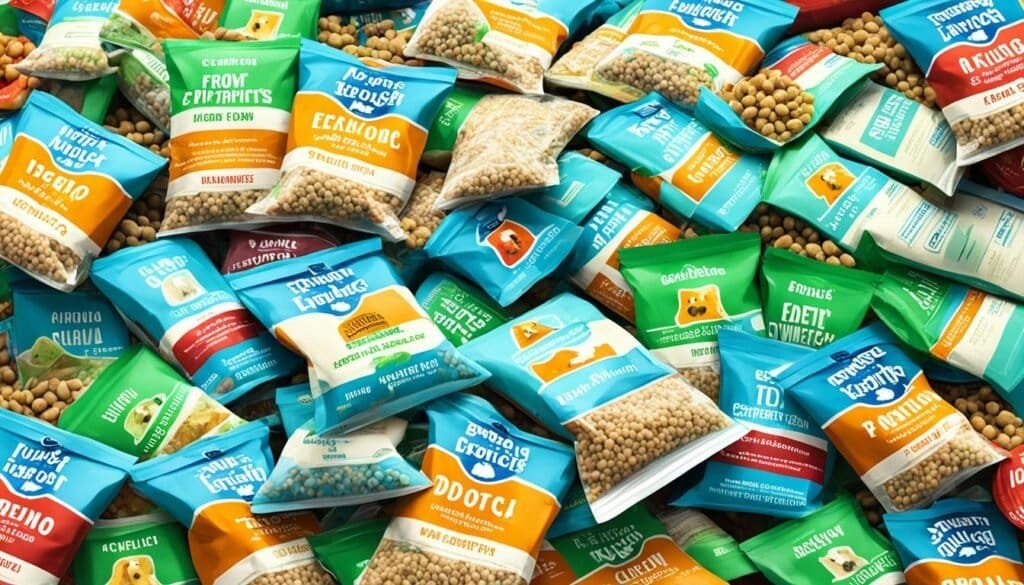
In an ideal world, all dog food would be created equal. Instead, dog owners face an overwhelming array of options, all claiming to be the best dog food on the market. Wading through these choices to find a dog food brand that is healthy, affordable, and appealing to your pet is often frustrating. Quality commercial dog foods are made to meet published nutritional standards, such as those set by AAFCO. A good dog food will contain meat, vegetables, grains, and fruits. The best dog foods contain high-quality versions of these ingredients that are appropriate for your dog’s digestive system.
For a sound canine diet, understanding dog nutrition and spotting high-quality pet food ingredients comes first. Look for premium dog food brands that use real, recognizable ingredients and avoid artificial preservatives, colors, and flavors. Learning to read pet food labels helps you tell useful dog food for specific needs from a clever label, and it shows whether your dog is getting a balanced mix of nutrients.
Not all dog foods are created equal. Pick a dog food that fits your pet’s specific needs, whether it’s a grain-free dog food formula for a sensitive stomach or a hypoallergenic dog food to address food allergies, and check the choice with your vet. With the right canine diet, you can give your dog the nourishment they need to thrive.
By understanding dog nutrition and recognizing high-quality pet food ingredients, you can make informed decisions that put your pet’s well-being first, whether you choose premium dog food brands or homemade dog food recipes. If you cook at home, ask your vet or a veterinary nutritionist to confirm the recipe is complete and balanced.
Matching Dog Food for Specific Needs to Your Dog

As pet owners, it’s important to recognize that not all dogs have the same dietary requirements. Factors such as age, breed, and health conditions can call for specialized formulas. Here are the main types of dog food for specific needs, from life stage to weight to allergies.
Puppy and Senior Dog Diets
Puppies and senior dogs have different nutritional needs compared to adult dogs. Puppy diets are formulated to provide the essential nutrients for growth and development, ensuring your young pup gets the right balance of protein, fats, and minerals to support their rapid growth. On the other hand, senior dog diets often contain higher levels of antioxidants and omega-3 fatty acids to support joint health and cognitive function as your dog ages. If joint pain is the concern, check whether the ingredient list names the source of the omega-3s, and ask your vet whether a supplement or medical diet makes sense.
Grain-Free and Hypoallergenic Formulas
Some dogs may experience sensitivities or allergies to common pet food ingredients, such as grains or certain protein sources. Grain-free dog food offers an alternative for pets with grain allergies, while hypoallergenic diets use novel protein sources like venison or duck to minimize the risk of triggering an allergic reaction. Picking dog food for specific needs such as itchy skin or digestive upset should start with a vet visit, because both problems have many possible causes besides food.
Weight Management Diets
Maintaining a healthy weight is important for a dog’s overall well-being. Weight management dog food formulas are designed to help overweight or obese pets shed excess pounds through a combination of lower calorie content and higher fiber content, which can promote a feeling of fullness and satiety. Measure portions and keep treats within the 10 percent limit so the diet can work.
By understanding the specific dietary needs of your dog, you can make informed decisions about the best food to support their health and well-being throughout their life stages. Whether it’s a puppy formula, a grain-free diet, or a weight management program, matching your pet’s food to their individual requirements can make a real difference in their quality of life.
Final Thoughts on Dog Food for Specific Needs
A good choice starts with understanding pet nutrition and identifying high-quality ingredients. From there, decoding pet food labels and matching diets to your dog’s weight, joint, skin or gut concerns helps you shop with confidence in the pet food aisle.
Whether you’re looking at premium dog food brands, grain-free dog food, or hypoallergenic dog food formulas, the same approach applies. Focus on canine diet basics and reading pet food labels, and you will be able to select the best dog food for your pet’s unique nutritional requirements.
Choosing the right dog food is an important decision that affects your pet’s overall health and well-being. Use your vet as a partner, change foods slowly, and watch how your dog responds, whether you pick a commercial brand or explore homemade dog food recipes with professional guidance.
FAQ
What are the essential nutrients that dogs need in their diet?
How can I identify high-quality protein sources in pet food?
What common ingredients should I avoid in pet food?
How can I interpret the information on pet food labels?
What are the benefits of grain-free and hypoallergenic pet food formulas?
How do I choose dog food for specific needs?
Keep reading
- Best Dog Food: How to Choose the Right One for Your Dog
- What Makes a Dog Food Good: The Six Things That Matter
- Dog Food for Puppies, Adults and Seniors: What Changes
- Premium Dog Food: Is Paying More Actually Worth It
More in Food & Treats, or start from the Doggy Rank iQ homepage.