
Fruits and vegetables for dogs can be a safe way to add variety to meals, as long as you pick the right ones and keep portions small. As of 2026, the safe choices in this list include cooked pumpkin, green beans, carrots, and spinach, plus apples and bananas in moderation, while onions, garlic, and avocado should stay out of the bowl.
Below, the fruits and vegetables for dogs are listed with a short prep note for each. You will also find the foods that cause trouble and the parts to always cut away, such as apple cores and avocado pits and skin, along with simple rules for how much to feed.
As a pet parent, you may love sharing treats with your dog at brunch, lunch, dinner, a picnic, or a BBQ. But before you share, you might ask, “What human foods can dogs actually eat?” Or even better, “Which people foods will give them the most health benefits?”
The full comparison lives in Best Dog Food: How to Choose the Right One for Your Dog.
This post also covers a few cooked proteins and grains that often share the bowl. Whether you want healthy dog treats, ideas for human foods for dogs, or a clear list of toxic foods to avoid, you will find it here.
Key Takeaways
- Find safe fruits and vegetables for dogs, with a prep note for each one
- Learn about the nutritional needs and common allergies in dogs as omnivores
- See a short list of safe cooked proteins and grains that pair well with produce
- Understand why portion control and moderation matter when feeding your dog
- Know which toxic foods to avoid for your dog’s safety
How to Add Fruits and Vegetables for Dogs Safely
Adding fruits and vegetables for dogs is simple, but a few general rules keep it safe. Veterinarians widely accept these, and they apply to every food in this post.
- Keep all treats, including fruit and vegetable pieces, to about 10 percent of your dog’s daily calories.
- Offer one new food at a time, in a small amount. If you are changing your dog’s main diet, make the switch gradually over 7 to 10 days.
- Check that the main dog food has an AAFCO statement saying it is complete and balanced for your dog’s life stage.
- Ask your vet before adding extras if your dog has a medical condition or eats a prescription diet.
- Cut food into bite-size pieces and remove pits, seeds, and cores.
Why Dogs Can Eat Plants: Omnivores and Common Allergies
Before we get to the list, it helps to understand a dog’s feeding behavior and the possibility of canine food allergies. Dogs are omnivores, meaning they can meet their nutritional needs by consuming a combination of plant and animal-based foods. A well-balanced diet for dogs must include essential minerals, vitamins, amino acids, and fatty acids to support their overall health and well-being.
Dogs are Omnivores
Contrary to popular belief, dogs are not strictly carnivores. Their digestive system is designed to digest a variety of foods, including carbohydrates. Dogs produce enzymes specific for breaking down starches and sugars, allowing them to derive energy and nutrients from plant-based sources. The Association of American Feed Control Officials (AAFCO) sets guidelines to ensure commercial pet foods meet the minimum nutritional requirements for dogs.
Food Allergies in Dogs
While food allergies are less common in dogs than environmental allergies, some canines may develop sensitivities or allergic reactions to certain food ingredients, particularly proteins. Common protein allergies in dogs include beef, dairy, chicken, and wheat. Owners should be mindful of their dog’s dietary needs and consider switching to more easily digestible and hypoallergenic alternatives if their dog shows signs of a food allergy, such as itching, gastrointestinal issues, or skin irritation. Offering new fruits and vegetables for dogs one at a time also makes it easier to spot a reaction.
Cooked Proteins to Pair With Fruits and Vegetables for Dogs
Cooked, Unseasoned Chicken, Turkey, or Beef
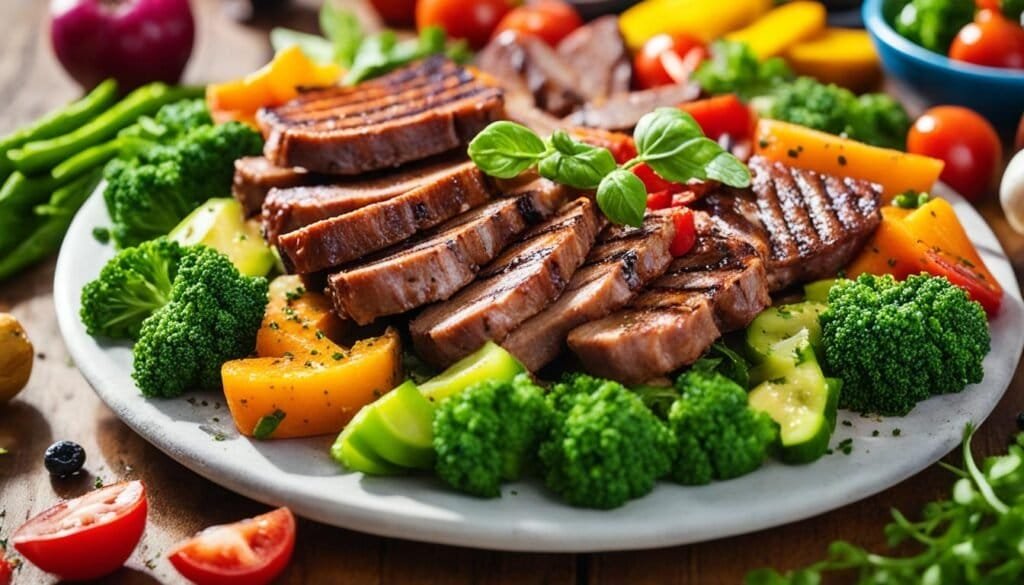
Cooked, unseasoned chicken, turkey, and beef are all great sources of protein for your dog. But make sure that all the bones are removed from these meats before giving them to your dog. Doing so reduces the risk of choking. Even cooked bones are risky as they can splinter in the dog’s GI tract and cause issues such as perforations. Among the three, chicken is a balanced choice, as it is high in protein but also low in fat.
Cooked, Unseasoned Fish
Cooked, unseasoned fish is another excellent source of protein and omega-3 fatty acids for dogs. When feeding fish to your dog, be sure to remove any bones to prevent choking or internal damage. Salmon, in particular, is a fantastic option as it is rich in beneficial omega-3s that promote skin and coat health.
Cooked, Unseasoned Eggs
Cooked, unseasoned eggs are a nutritious and safe treat for dogs. Eggs are an excellent source of protein, vitamins, and minerals that can benefit your dog’s overall health. When feeding eggs to your pup, make sure they are fully cooked and without any added seasonings or oils.
Fruits and Vegetables for Dogs: The Safe List
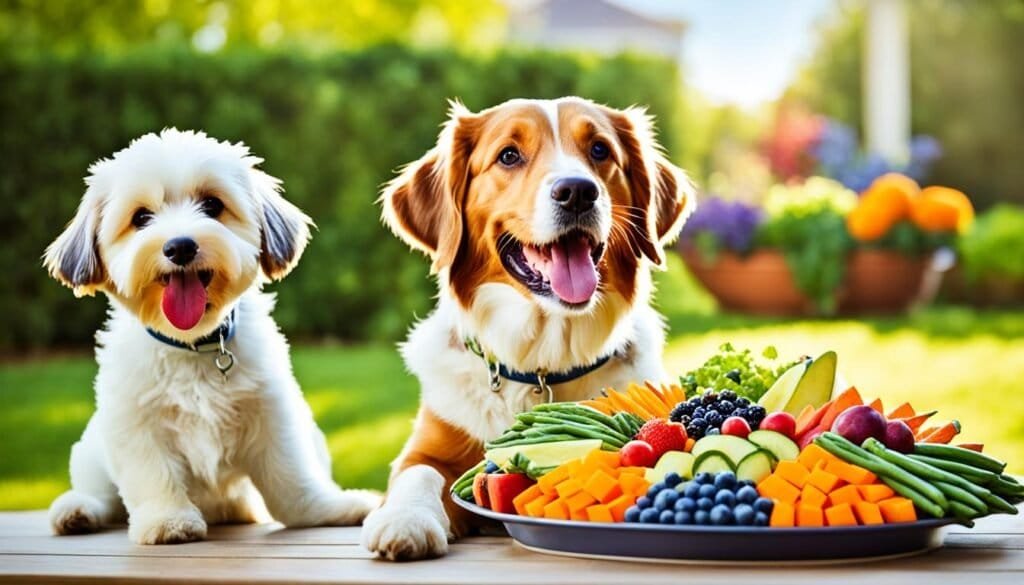
Fruits and veggies can be a healthy addition to your dog’s diet, providing vitamins, minerals, and fiber. With fruits and vegetables for dogs, the main job is knowing which ones are safe and how to prepare them. Here are some dog-friendly treats you can add to your pup’s meals:
Cooked Pumpkin
Cooked and chopped-up pumpkin for dogs is a healthy and nutritious snack. It is a good source of fiber and beta-carotene, which can help with digestion and improve the appearance of your dog’s coat. Pumpkin is also low in calories and fat, making it a good choice for dogs who are overweight or prone to weight gain.
Cooked Green Beans
Green beans for dogs are a low-calorie, nutrient-dense treat. They are packed with calcium, fiber, iron, manganese, protein, and vitamins A, B6, C, and K, providing dogs with natural sweetness.
Cooked Carrots
Carrots for dogs are rich in biotin, fiber, potassium, and vitamins A, B6, and K. They can help improve dental health and remove plaque, making them a great crunchy snack.
Cooked Spinach
Spinach for dogs is a nutrient powerhouse, providing beta-carotene, calcium, folic acid, iron, potassium, and vitamins B6, C, E, and K. It may support brain and immune function, making it a beneficial addition to your pup’s diet in small amounts.
Sliced Apples (In Moderation)
Apples are a safe and healthy treat for dogs. Remove the core and seeds, slice them, and serve them in moderation due to their natural sugar content.
Bananas (In Moderation)
Bananas are another dog-friendly fruit. Peel them and serve small slices. Like apples, they should be given in moderation due to their sugar content.
Grains: Cooked Oatmeal as a Side Option
While a dog’s diet should primarily consist of high-quality protein sources, adding grains to their meals can also contribute to balanced canine nutrition. One grain that offers several benefits for our four-legged friends is cooked oatmeal.
Cooked Oatmeal
Cooked oatmeal is one of the healthiest breakfast foods around. And it’s also a healthy food for dogs. Oatmeal contains vitamin B, which helps maintain a healthy coat, and linoleic acid, which is a type of omega-6 fatty acid that helps to maintain the strength of dogs’ skin. Thanks to its richness in soluble fiber, oatmeal has also become an increasingly common ingredient in commercial dog food.
Fruits and Vegetables for Dogs: What to Avoid and What to Cut Away
Safe produce is only half the story. Protecting your dog from toxic foods for dogs, foods dogs should not eat, and other dangerous foods for canines is a key responsibility for any pet parent.
Chocolate
Dogs should never consume chocolate. Chocolate contains toxic substances called methylxanthines, which are stimulants that can stop a dog’s metabolic process. Even a small amount of chocolate, especially dark chocolate, can cause diarrhea and vomiting. A larger quantity can lead to more severe symptoms like seizures, irregular heart function, and even death. Keep chocolate out of your dog’s reach, and contact a veterinarian or the ASPCA Animal Poison Control Center immediately if your pup ingests chocolate.
Onions
Onions, as well as garlic, can be extremely harmful to dogs. These vegetables contain compounds that can destroy a dog’s red blood cells, leading to anemia. Consuming onions in any form (raw, cooked, or powdered) can put your dog at risk. Avoid feeding onions to your dog and be mindful of onion-containing foods that may be accessible.
Avocado
While avocados are a nutritious superfood for humans, they can pose a threat to dogs. Avocados contain a compound called persin, which can cause vomiting and diarrhea in canines. The pit and skin of the avocado are particularly dangerous, so it’s best to keep this fruit well away from your four-legged friend.
Being aware of these and other toxic foods for dogs, foods dogs should not eat, and dangerous foods for canines is essential for your pup’s safety and well-being. When you choose fruits and vegetables for dogs, skip onions, garlic, and avocado, and take pits, seeds, and cores out of the rest. Always consult with your veterinarian if you have any concerns about your dog’s diet or suspect they may have ingested something harmful.
Portion Control for Fruits and Vegetables for Dogs
As you add produce and other human foods to your dog’s meals, portion control matters. The treats on this list can provide valuable nutrients, but they should not replace a balanced, commercially available dog food that is nutritionally complete. Dogs need a diet that fits their size, age, and health, and human food extras should make up only a small part of their overall intake.
Check the recommended serving sizes on dog food packages, which can vary greatly. Even a slight miscalculation in the amount you feed your pup daily can affect their weight and health. To find the right portion sizes for dogs, you can use a tool like the Dog Food Calculator on the Dog Food Advisor website, which estimates an amount based on your dog’s ideal weight, life stage, and activity level.
It’s also wise to moderate human food for dogs and avoid overfeeding. Treats, whether homemade or store-bought, should stay at about 10% of your dog’s daily calories or less, which is the guideline veterinarians commonly give. Keep an eye on the dog treats in moderation you provide, and adjust to prevent canine obesity.
The human foods on this list work best as occasional treats, not as a replacement for a balanced, high-quality dog food. By practicing portion control and moderation, your dog gets good nutrition along with the occasional healthy snack.
Fruits and Vegetables for Dogs: A Quick Recap
This post covered the fruits and vegetables for dogs that are safe as occasional treats, along with the foods to skip. Knowing which foods are safe and which should be avoided lets pet parents choose snacks with confidence.
The safe options include cooked, unseasoned proteins like chicken, turkey, and beef; grains such as oatmeal; and produce like pumpkin, green beans, carrots, spinach, apples, and bananas. Served in moderation, they add variety and useful vitamins, minerals, and fiber to your dog’s diet.
Keep in mind that these human foods are treats and should not replace a high-quality, complete and balanced commercial dog food. Proper portion control and moderation help your dog get all the necessary nutrients. With this knowledge, you can offer a varied, healthy diet that suits your dog.
FAQ
What are the healthiest human foods that dogs can eat?
Are there any human foods that dogs should avoid?
How much of these human foods can I feed my dog?
Can dogs be allergic to certain human foods?
Are there any special preparation methods for human foods before feeding them to my dog?
Keep reading
- What to Feed a Dog When You Run Out of Dog Food
- Best Puppy Food: What Growing Dogs Need in Year One
- Human Foods Dogs Can Eat Safely, and How Much
- Five Cheap Whole Foods That Improve a Dog’s Diet
More in Food & Treats, or start from the Doggy Rank iQ homepage.