
If you want to know how to choose a dog food brand, start with four checks that take about five minutes: the AAFCO statement, the recall history, the first five ingredients and who formulates the food. As of 2026, those checks are still the quickest way to narrow a crowded shelf before you spend any money.
This guide walks through each check, then explains how to read a label, match a food to your dog’s age and size, and judge the company behind the bag. Knowing how to choose a dog food brand will not replace your vet’s advice, so bring any health questions to them.
The pet food aisle can feel overwhelming, with hundreds of product lines and plenty of marketing claims. Review sites such as The Dog Food Advisor can help you compare dog food reviews, but you still need a method. Learning how to choose a dog food brand gives you one, so you can match a food to your dog’s nutritional needs with confidence.
Working out the basics first? Read Best Dog Food: How to Choose the Right One for Your Dog.
Key Takeaways
- Understand the essential components of dog nutrition so you can judge any brand’s claims about your pet’s diet.
- Learn how to read dog food labels, so you buy products that are “complete and balanced”.
- Discover the specific nutritional requirements for your dog’s breed, age, and any special dietary needs.
- Evaluate brands by their manufacturing practices, ingredient sourcing, and transparency, which is the core of how to choose a dog food brand.
- Spot top dog food brands by checking the AAFCO statement, the recall history, and the ingredient list.
As a pet owner, you want to provide your dog with the highest-quality nutrition possible. This guide gives you the knowledge and tools to sort through the many dog food options and make a decision that supports your dog’s overall health and well-being.
How to Choose a Dog Food Brand in Five Minutes
You do not need a nutrition degree to screen a brand. Start with these four checks, in any order:
- The AAFCO statement. Look for a line saying the food is “complete and balanced” for your dog’s life stage. If it is missing, move on.
- The recall history. Search the brand name with the word “recall” and read what happened and how the company responded.
- The first five ingredients. Ingredients are listed by weight, so the first few show what the food is mostly made of.
- Who formulates the food. Check whether the company employs a board-certified veterinary nutritionist or other qualified nutrition staff, and whether it tells you who makes the food.
Once you have picked a food, switch over gradually across 7 to 10 days by mixing increasing amounts of the new food into the old. Keep treats to no more than 10 percent of your dog’s daily calories, and ask your vet before using a medical or prescription diet. Those habits are part of feeding well, along with knowing how to choose a dog food brand.
Dog Nutrition and Labels: How to Choose a Dog Food Brand
Dog food can seem confusing at first, but learning the basics of canine nutrition and how to read a label makes the choice much easier. This section covers dog food nutrition, the importance of reading dog food labels, and what the “complete and balanced” claim on pet food packaging means. Knowing how to choose a dog food brand starts with the label, because the label is where a brand’s claims can be checked.
Dog Food Nutrition
Dogs, like humans, require a balance of essential nutrients to stay healthy. These include proteins, fats, carbohydrates, vitamins, and minerals. The specific amounts and ratios of these nutrients can vary depending on the dog’s age, size, activity level, and any underlying health conditions. Understanding the quality of dog food ingredients and the AAFCO nutritional requirements is important when selecting the right dog food for your pet.
How to Read a Dog Food Label
Label wording can be confusing, but a few parts do most of the work. Key elements to look for include the product name, ingredient list, guaranteed analysis, and the statement of nutritional adequacy. By carefully examining these components, you can learn about the quality of dog food ingredients and make sure your dog is getting the nutrients it needs.
“Complete and Balanced” Dog Foods
One of the most important claims to look for on a dog food label is the “complete and balanced” statement. This indicates that the food has been formulated to meet the AAFCO nutritional requirements for a specific life stage, whether it’s growth, maintenance, or a combination of life stages. Understanding this claim can help you make informed decisions about providing your dog with a nutritionally adequate diet that supports their overall well-being.
| Nutrient | Dry Food (Dry Matter Basis) | Canned Food (Dry Matter Basis) |
|---|---|---|
| Crude Protein | 26.0% min | 50.0% min |
| Crude Fat | 15.0% min | 18.0% min |
| Crude Fiber | 4.0% max | 2.0% max |
| Moisture | 10.0% max | 75.0% max |
By understanding the dog food nutrition requirements, learning how to read dog food labels, and recognizing the significance of the “complete and balanced” claim, pet owners can make informed decisions that support their dog’s overall health and well-being.
Matching a Food to Your Dog’s Needs
Selecting the right dog food matters for your dog’s long-term health. From breed size to life stage, there are various factors to consider when choosing dog breed-specific nutrition, puppy dog food, senior dog food, or dog food for special dietary needs. Part of how to choose a dog food brand is checking that the brand makes a formula for your dog’s stage of life. When you understand your dog’s nutritional requirements, you can make sure they get the vitamins, minerals, and macronutrients they need for growth, maintenance, and longevity.
Best Dog Food for Small and Large Breeds
The nutritional needs of small and large breed dogs can vary significantly. Smaller breeds tend to have faster metabolisms and may need calorie-dense dog food to meet their energy needs. Larger breeds often need formulas made for large breed dogs that support musculoskeletal development and joint health. Some owners also consider grain-free dog food or limited ingredient dog food, which is worth discussing with your vet first.
Best Dog Food for Puppies
Puppy-specific dog food is designed to meet the higher nutritional requirements of growing canines. These formulas typically contain higher levels of protein, essential fatty acids, and specific vitamins and minerals to support rapid growth, bone development, and overall health. It’s important to choose a puppy food that is appropriate for your dog’s breed size to ensure they receive the proper balance of nutrients.
Best Dog Food for Senior Dogs
As dogs age, their nutritional needs often change. Senior dog food formulas are made to address the dietary needs of older pets, which may include lower calorie and fat levels, increased fiber, and added joint-supporting supplements. Check with your veterinarian to determine the best dog food for your senior dog’s individual needs.
Best Food for Dogs With Special Dietary Needs
Some dogs may require specialized dog food due to allergies, sensitivities, or other health conditions. Grain-free dog food and limited ingredient dog food may suit dogs with food sensitivities, while dogs with certain medical issues may need a veterinarian-prescribed diet. Ask your vet to make sure your dog gets the right food for their specific dietary needs.
| Dog Food Category | Recommended Features | Example Products | Price Range |
|---|---|---|---|
| Small Breed Dog Food | – Higher calorie-density – Smaller kibble size – Matched nutrient profile | Royal Canin Small Breed Adult Dry Dog Food | $59.99 |
| Large Breed Puppy Food | – Moderate calorie content – Balanced calcium and phosphorus levels – Joint-supporting supplements | Purina Pro Plan Large Breed Puppy Dry Dog Food | $71.98 |
| Senior Dog Food | – Lower fat and calorie content – Increased fiber – Added joint support | Hill’s Science Diet Senior Dry Dog Food | $51.99 |
| Grain-Free Dog Food | – Limited, high-quality ingredients – Hypoallergenic formula – Made for food sensitivities | The Farmer’s Dog Subscription Dog Food | $28.00 |
Every dog is different, so ask your veterinarian to confirm the best dog food for your dog’s individual needs. By selecting the right dog breed-specific nutrition, puppy dog food, senior dog food, or dog food for special dietary needs, you can help your dog get the balanced, high-quality nutrition they require.
How to Choose a Dog Food Brand: Start With the Right Questions
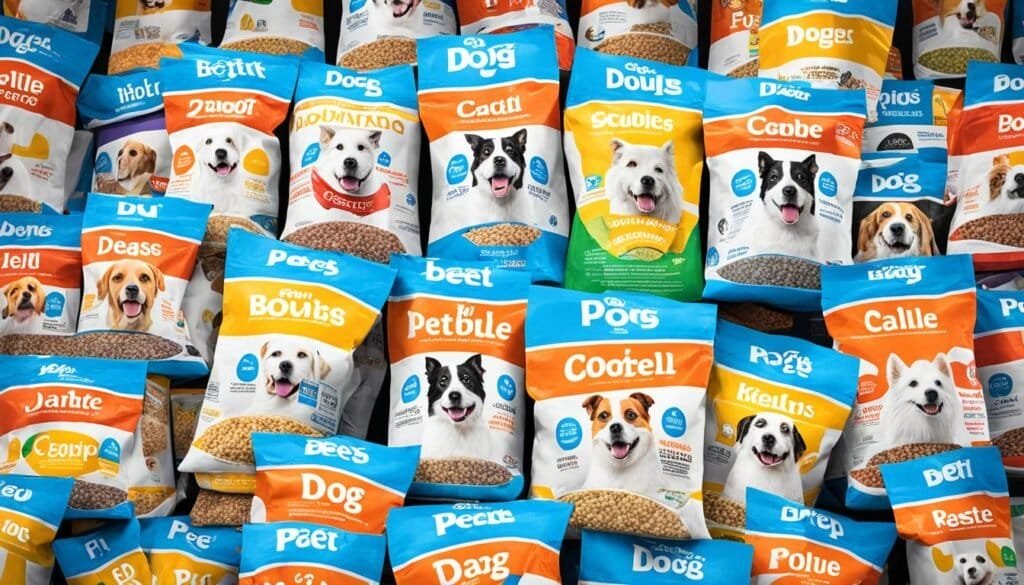
Standing in the pet store aisle or scrolling an online shop, the many top dog food brands, best dog food brands and premium dog food brands can feel overwhelming. A clear method for how to choose a dog food brand turns that crowd into a short list of high-quality dog food that fits your dog.
The first step is to understand what separates the best dog food brands from the rest. Look at a brand’s reputation, manufacturing practices, ingredient sourcing, and quality control measures, then decide based on your dog’s health and well-being.
One useful resource is The Dog Food Advisor, a website with a large library of dog food reviews that covers many dog food categories, from best dry dog food to best raw dog food. Use it to compare options, but treat any review site as one input and not the final word.
When evaluating dog food brands, pay attention to the company’s reputation, the quality of its manufacturing, and how open it is about ingredient sourcing and testing. Taking the time to compare brands helps you pick a high-quality dog food that supports your dog’s overall health.
There is no single answer for how to choose a dog food brand, because each dog has different nutritional needs. Consider your dog’s breed, age, and any special dietary requirements, then match them with the right premium dog food brand. That gives your dog food it can rely on every day.
With this information, you can approach the many dog food brands on the market with confidence and settle on a food that suits your dog.
Evaluating Dog Food Brands and Companies
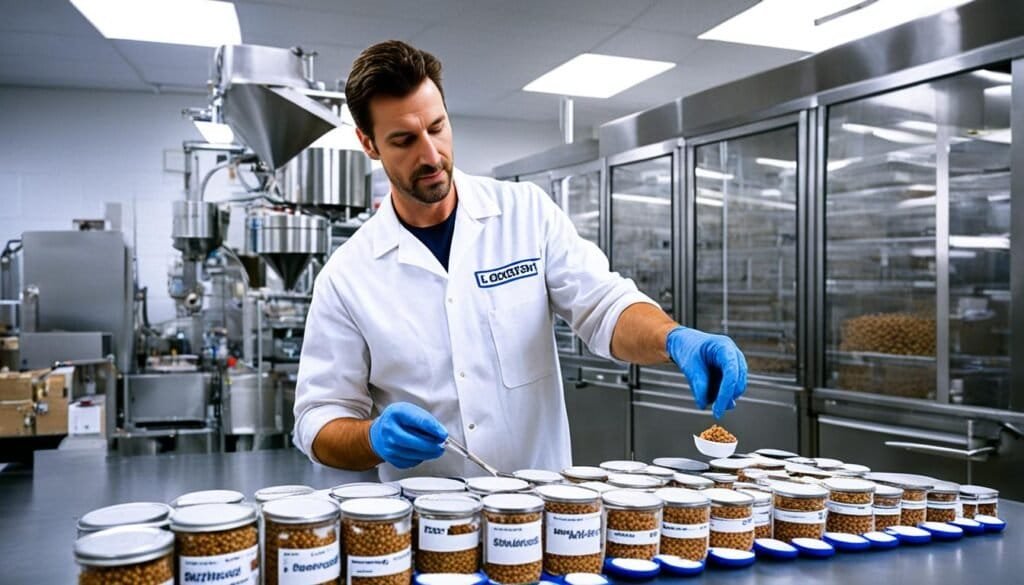
Part of how to choose a dog food brand is looking at the company behind the food, not just the bag. Factors like the company’s reputation, manufacturing practices, product design, and quality control measures help you find reputable dog food brands that prioritize the health and safety of their products.
Consider the Company
Start by researching the overall reputation of the dog food company. Look for reviews, ratings, and feedback from pet owners and veterinary professionals. A company with a strong track record of producing safe, nutritious dog foods and standing behind their products is a good sign.
Identify the Manufacturer
Knowing who is responsible for manufacturing the dog food is important. Reputable brands often have their own dedicated manufacturing facilities or work with trusted, high-quality contract manufacturers. Look for transparency from the company about their manufacturing process and standards.
Question Product Design
Examine the design and naming of the dog food products. Be wary of terms like “dinner,” “entrée,” “formula,” “nuggets,” or “platter,” as these may indicate that the food contains as little as 25% of the titular ingredient. Similarly, products with names containing “with” often only require 3% of that named ingredient, despite the prominent appearance on the packaging.
Confirm Nutrient Testing
Reliable dog food brands should have solid nutrient testing protocols in place to ensure their products meet or exceed the essential nutrient requirements set by the Association of American Feed Control Officials (AAFCO). Look for evidence that the company tests their formulas for nutrient content and bioavailability.
Investigate Ingredient Sources
The quality and origin of the ingredients used in the dog food matter. Reputable brands should be transparent about their ingredient sourcing, prioritizing high-quality, whole-food sources over cheap, low-quality fillers or by-products.
Demand Transparency
Seek out dog food companies that are willing to provide detailed information about their manufacturing processes, ingredient sourcing, and quality control measures. This level of openness can give you greater confidence in the brand’s commitment to producing safe, nutritious dog foods.
Verify Quality Control
Strong quality control measures, such as regular testing, strict manufacturing protocols, and rigorous safety standards, are hallmarks of a responsible dog food company. Look for evidence that the brand prioritizes quality control to ensure the consistent delivery of safe and nutritious products.
Study the Recall History
Examine the dog food brand’s recall history, if any. While no company is immune to recalls, a brand with a clean record, or one that has handled past recalls openly and responsibly, may be a more reliable and trustworthy manufacturer.
By considering these factors, you can evaluate dog food brands and companies and find those that prioritize your dog’s health and well-being. Investing the time to research and compare options will help you make an informed decision that supports your dog’s nutrition and overall well-being.
Final Thoughts on How to Choose a Dog Food Brand
Choosing a food comes down to understanding canine nutrition and judging the company behind it. By reading labels, checking ingredient sources, and assessing manufacturing practices, you can make an informed decision that supports your dog’s health and well-being.
The best dog food is one that meets your pet’s dietary needs, whether those depend on breed, life stage, or a health condition. If you are unsure, talk with your veterinarian or a veterinary nutritionist. Now that you know how to choose a dog food brand, you can confidently choose the best dog food and make an informed decision that will support your dog’s health with high-quality dog food.
The top dog food brand is not a one-size-fits-all pick. Match your selection to your dog’s specific needs and preferences, and you will be well placed to support their health and vitality. Here’s to a well-fed, healthy dog!
FAQ
What are the key factors to consider when evaluating dog food nutrition and labels?
How do I choose the right dog food based on my pet’s specific needs?
What are the key factors to consider when evaluating dog food brands and companies?
Keep reading
- Purina Dog Food Review: Ranges, Prices and Who It Suits
- Sustainable Dog Food: Eco-Friendly Brands Worth Buying
- How to Switch Dog Food Without Upsetting Their Stomach
- Dry, Wet or Raw Dog Food: Which One Suits Your Dog
More in Food & Treats, or start from the Doggy Rank iQ homepage.