
Dog size categories (small, medium, large and giant) are based mainly on a dog’s adult weight, and as of 2026 there is still no single official standard that every kennel club follows. In general, large dogs run about 55 to 90 pounds and giant dogs weigh 90 pounds or more, while small and medium dogs fall below those weights.
Below you will find the weight and height ranges for the largest groups, how they differ in daily cost, and what to ask your vet about feeding. Knowing where your dog sits in the dog size categories makes it easier to plan food, space and budget.
Imagine a dog so massive it could easily rest its head on your shoulder, yet still greet you with a gentle, loving demeanor. These are the giants of the canine world: the extra-large, heavy-boned, and towering breeds that capture our hearts and imaginations. But within the dog size categories, what exactly defines a “giant” dog, and how do these colossal canines differ from their large or standard-sized counterparts1?
Giant dog breeds are generally considered to be within the weight range of about 90 to 200 pounds, with some individuals reaching even higher weights1. These pups are impressively large, and they also have a mix of strength, intelligence, and affectionate personalities that set them apart from the other dog size categories. From the majestic Great Dane to the powerful Mastiff, giant breeds come in a variety of shapes, sizes, and temperaments, each with its own distinct charm and appeal.
Key Takeaways
- Dog size categories (small, medium, large and giant) are not set by one official standard, so the cutoffs vary by source.
- Giant dog breeds are generally considered to be within the weight range of about 90 to 200 pounds, with some individuals reaching even higher weights1.
- Large dog breeds typically fall within an average weight range of 55-90 pounds1.
- Giant breeds have a shorter lifespan compared to smaller breeds, with an average lifespan of 8-10 years1.
- Larger dogs, including giant breeds, tend to reach their senior years earlier due to their fast growth rate, which causes them to age quicker1.
- Giant breeds have a higher chance of developing health issues such as hip or elbow dysplasia, arthritis, wobbler syndrome, dilated cardiomyopathy, and cherry eye1.
How Dog Size Categories Work
The four dog size categories are small, medium, large and giant. Most charts group dogs by expected adult weight, and some add height at the shoulder. No single body sets the cutoffs, so a dog that counts as medium on one chart may count as large on another.
The figures in this article come from the sources cited, which place large dogs at roughly 55 to 90 pounds and giant dogs at about 90 pounds or more. Small and medium dogs fall below those weights, and the exact lines depend on the source. Your vet can estimate your puppy’s adult weight and tell you which group fits. Whatever the group, a few feeding habits are widely recommended by vets:
- Look for an AAFCO statement on the label that matches your dog’s life stage.
- Keep treats to no more than 10 percent of daily calories.
- Change foods slowly over 7 to 10 days to avoid stomach upset.
- Ask your vet before starting a medical diet or a large breed puppy formula.
Understanding Giant Breeds Within Dog Size Categories
What Separates Giant From Large Dogs?
Among the larger dog size categories, the primary distinction between giant and large breed dogs is weight. Breeds with an average weight range of 55-90 pounds are considered large, while giant breeds typically weigh 90 pounds or more, with some reaching the mid-100 range or even 200 pounds2. Although all dog breeds have a standard weight range, the exact number can vary based on your dog’s age and whether they are male or female. Typically, if you monitor your puppy’s weight from a young age, you should have a decent prediction of where their weight will fall when they are a full-grown adult.
Weight Range and Common Giant Breeds
Some of the most well-known giant breed dogs include the Great Dane, Mastiff, Saint Bernard, Boerboel, Newfoundland, Leonberger, Anatolian Shepherd, and Greater Swiss Mountain Dog3. These breeds can range in height from 22 to 32 inches at the shoulder and weigh between 80 to 230 pounds, with an average life expectancy of 6 to 13 years3. Proper nutrition and care matter a great deal for the health and longevity of these giant breed dogs.
“Feeding trials by AAFCO ensure puppy food safety and nutritional adequacy.”2
Caring for giant breed dogs requires special considerations, such as a diet matched to their size and life stage, regular veterinary checkups, and diligent training and socialization4. By understanding the unique needs of these majestic canines, you can help them thrive and enjoy a long, healthy life by your side.
What Is Considered a Giant Breed in Dog Size Categories?
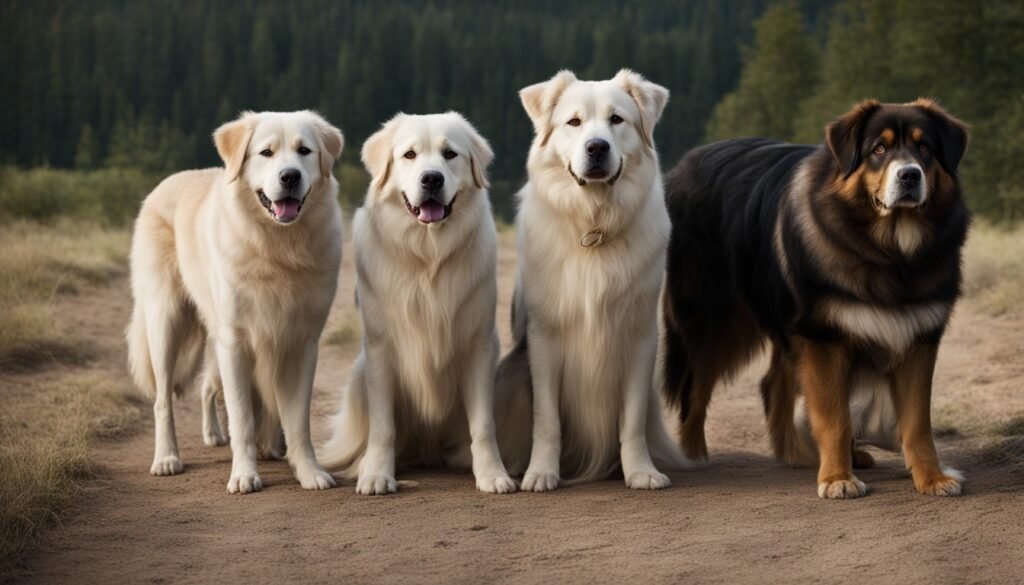
Among the dog size categories, a dog is considered a giant breed when it reaches a significant weight, typically around 90 pounds or more5. Some experts even begin categorizing dogs as “giant” once they surpass the 100-pound mark5. While the lower end of the giant breed weight range starts at 90 pounds, these majestic pups can easily balloon up to the mid-100s or even reach a whopping 200 pounds67.
Among the most well-known giant breed dogs are the Akita, Anatolian Shepherd, Bernese Mountain Dog, Bullmastiff, Cane Corso, Doberman Pinscher, English Mastiff, Giant Schnauzer, Great Dane, Great Pyrenees, Greater Swiss Mountain Dog, Irish Wolfhound, Komondor, Leonberger, Newfoundland, and Rottweiler5. These impressive canines captivate us with their sheer size, their unique personalities and their physical capabilities.
While the weight and height thresholds in the dog size categories may vary slightly, one thing is certain: these larger-than-life pups demand special care and attention to support their well-being and prevent potential health issues. Understanding the unique characteristics and needs of giant breed dogs is important for any prospective pet owner.
Daily Care and Costs for Giant Breed Dogs
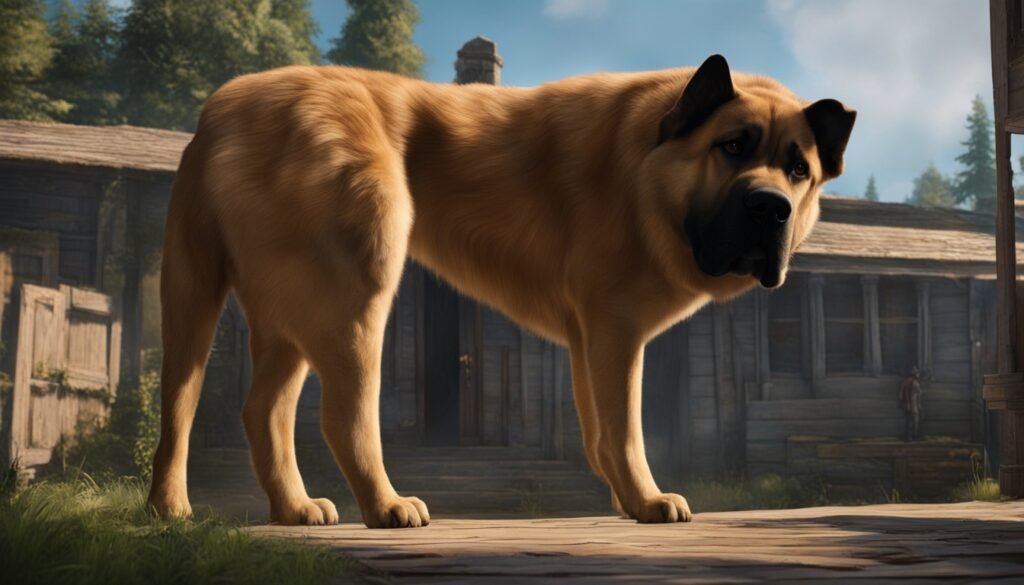
Compared with the smaller dog size categories, caring for a giant breed dog takes a different approach. While many aspects of their care are similar, the sheer size of these gentle giants necessitates special accommodations. The most significant difference lies in the associated costs, as caring for a giant breed can be more financially demanding8.
Extra Expenses and Giant-Proofing Your Home
Giant dogs can weigh as much as some grown adults8, and they don’t generally live as long as smaller dogs8. Their voracious appetite means you’ll likely be purchasing much larger bags of food, which can quickly add up. Professional grooming for a giant breed may also cost more than for a smaller pup8.
To ensure your home is safe for a large canine, you’ll need to consider counter surfing and other potential hazards. Keeping enticing items out of reach, whether edible or not, helps you avoid unexpected trips to the emergency vet8. You’ll also need to factor in the height of any baby gates or fences to accommodate your giant’s size8.
| Expense | Consideration for Giant Breeds |
|---|---|
| Food | Giant dogs can eat up to 4 cups or more of food per day, requiring larger and more expensive bags8. |
| Grooming | Professional grooming for a giant breed may cost more than for a smaller dog8. |
| Home Modifications | Taller baby gates and fences may be needed to keep a giant breed safely contained8. |
Caring for a giant breed dog requires diligence, patience, and a willingness to adapt your home and lifestyle to accommodate their unique needs. By understanding the extra expenses and taking steps to giant-proof your living space, you can provide a safe and comfortable environment for your gentle giant89.
Final Thoughts on Dog Size Categories
Giant dog breeds, also known as extra-large or gentle giants, are the biggest pups that captivate our hearts. Though they are sizeable in stature and often have a deep, loud bark, giant breeds are consistently some of the best cuddlers, the most loyal companions, and the friendliest additions to families10. At the top of the dog size categories, dogs are considered giant when they reach roughly 90 pounds or more, with some reaching the mid-100 range or even 200 pounds1011.
Caring for a giant breed dog requires special accommodations due to their unique size, including extra expenses for food and grooming, as well as giant-proofing your home to prevent counter surfing and other potential issues1012. While these gentle giants may come with additional responsibilities, their unwavering devotion and affectionate nature make them cherished members of the family for many dog enthusiasts.
Understanding the dog size categories, and the care needs of the giant end in particular, helps prospective owners plan for a positive and fulfilling experience with these majestic pups. By providing the proper environment, nutrition, and veterinary care, you can help your giant breed dog thrive and become a beloved companion for years to come.
FAQ
What is considered a giant breed dog?
What defines a giant breed?
What are the common giant breed dogs?
What extra expenses come with owning a giant breed dog?
How do I “giant-proof” my home for a giant breed dog?
Go deeper on one part
The size questions people ask most:
- Largest Mastiff Breeds Ranked by Height and Weight
- Is My Dog Large or Giant Breed? The Weight Chart
- Dog Breeds That Weigh 200 Pounds or More
- Is There a 300 lb Dog? The Heaviest on Record
- Tallest Dog Breed: Why the Irish Wolfhound Wins
Keep reading
- Is My Dog Large or Giant Breed? The Weight Chart
- Top 10 Dog Breeds of the Year and Why They Rank
- Superfoods for Dogs: Broccoli, Blueberries and Beyond
- How to Pick a Dog Breed That Fits Your Life
More in Breed Matchmaker, or start from the Doggy Rank iQ homepage.