
If you are asking whether your dog is a large or giant breed, the quick answer is that large dogs usually weigh about 55 to 90 pounds, and giant dogs weigh 90 pounds or more. Some charts set the giant line closer to 100 pounds (45 kg), so check your dog’s adult weight against more than one source.
Weight is the most reliable measure, and the sources below do not agree exactly. As of 2026 there is still no single universal cut-off, so treat the ranges as a guide and ask your vet if your dog sits near the line.
Some dog breeds can weigh over 200 pounds1. These giant-sized companions are vastly different from the tiny Chihuahuas and Yorkies that many people picture when they think of “man’s best friend.” Knowing whether your dog is a small, medium, large, or giant breed matters, as each size category has its own care requirements. The sections below show how to tell if your dog is considered a large or giant breed, so you can match diet, exercise, and accommodations to its size.
Working out the basics first? Read dog size categories explained.
Key Takeaways
- Dog sizes range from tiny Toy Poodles to massive Great Danes.
- The most accurate way to determine your dog’s size is by checking its weight.
- Small, toy, and miniature breeds weigh between 1-10 kg1, while medium-sized dogs are 11-26 kg1.
- Large breed dogs typically weigh 26-44 kg1, and giant breeds are 45 kg or more1.
- Giant breeds take 18-24 months to reach adulthood and grow very rapidly in the first five months1.
What Changes in Food and Care for a Large or Giant Breed
Once you know your dog is a large or giant breed, a few feeding habits matter more than they do for smaller dogs. These are general points that veterinarians widely accept.
- Ask your vet which food suits your dog’s age and size, especially for puppies, who may need a formula made for large-breed growth.
- Check the label for an AAFCO statement saying the food is complete and balanced for your dog’s life stage.
- Keep treats to no more than 10 percent of your dog’s daily calories.
- Switch foods gradually over 7 to 10 days to reduce the chance of stomach upset.
- Keep your dog lean to protect its joints, and ask your vet before starting any medical diet or joint supplement.
Where a Large or Giant Breed Fits Among Dog Size Categories
Size matters, both in terms of a dog’s physical characteristics and the specialized care and feeding it requires. Canine size categories are defined by several key factors, including a dog’s weight, height, and overall build2. These size distinctions play an important role in choosing the right pet food, bedding, collars, and other essential accessories for your dog.
Small, Toy and Miniature Breeds
Small, toy, and miniature dog breeds typically weigh less than 20 pounds2. This category includes popular pint-sized pups like Chihuahuas, Toy Poodles, and Miniature Schnauzers2. While these diminutive dogs may be adorable, their small size brings unique challenges. They tend to have high energy levels and require specialized diets and care to maintain good health2. Their compact size can also make them prone to skin irritation and weight gain if their indoor-focused lifestyles are not properly managed.
Medium Breeds
Medium-sized dogs, on the other hand, generally weigh between 20 to 50 pounds2. Breeds like Staffordshire Bull Terriers, Australian Cattle Dogs, and British Bulldogs fall into this category2. While many medium breeds are known for their high energy, the more sedentary lifestyles of their owners can lead to weight gain and health issues2. A balanced diet and regular exercise are important for these pups to thrive.
| Size Category | Weight Range | Bed Dimensions | Collar Width | Neck Circumference | Back Length (Sweater) | Chest Circumference (Sweater) | Base of Neck (Jacket) | Chest (Jacket) | Strap Width (Harness) |
|---|---|---|---|---|---|---|---|---|---|
| Extra-Small (XS) | Up to 15 lbs | 20″ x 30″ | 5/8″ | 8-11″ | 9-12″ | 12-14″ | 10-15″ | 12-17″ | 5/8″ |
| Small (S) | Up to 20 lbs | 20″ x 30″ | 5/8″ | 12-15″ | 13-15″ | 14-17″ | 12-18″ | 14-20″ | 5/8″ |
| Medium (M) | Up to 50 lbs | 27″ x 36″ | 3/4″ | 15-18″ | 16-19″ | 17-21″ | 16-22″ | 17-24″ | 1″ |
| Large (L) | Up to 70 lbs | 35″ x 45″ | 1″ | 18-22″ | 19-23″ | 21-25″ | 19-26″ | 21-29″ | 1″ |
| Extra-Large (XL) | Up to 80 lbs | 35″ x 45″ | 1″ | 18-26″ | 22-29″ | 26-32″ | 20-33″ | 23-37″ | 1″ |
The table above gives an overview of the key size categories for dogs, including weight ranges, bed dimensions, collar widths, neck circumferences, and measurements for dog sweaters, jackets, and harnesses3. These details can help pet owners select the right accessories and keep their dogs comfortable and well-equipped.
Is my dog large or giant breed?
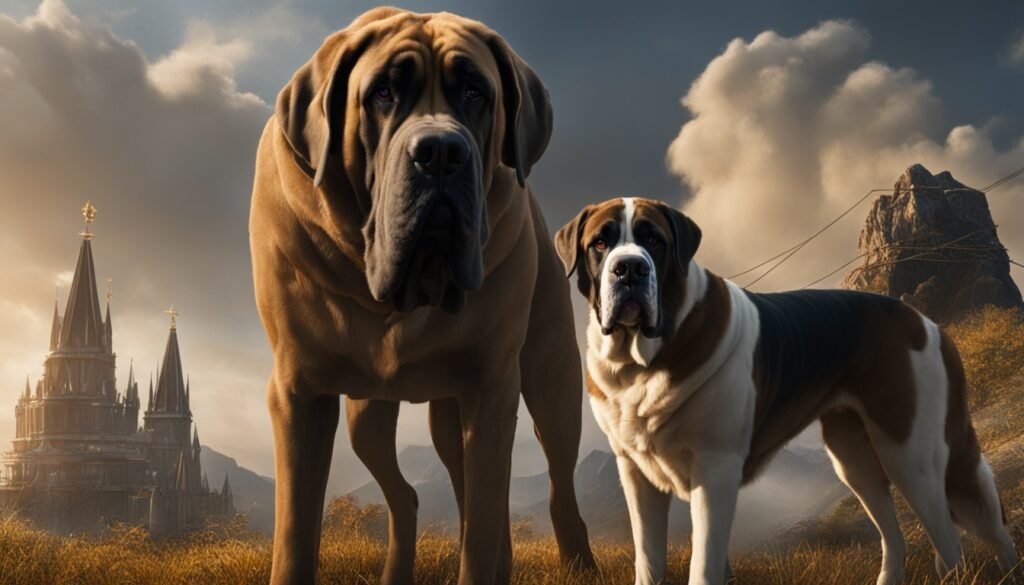
Understanding the difference between large and giant breeds helps you give your dog the proper care and nutrition4. Large dog breeds typically weigh between 55-90 pounds, while giant dog breeds are classified as those that weigh around 90 pounds or more, with some considered giants once they reach 100 pounds or more4.
Some common examples of large dog breeds include Labradors, Golden Retrievers, Rottweilers, and Rhodesian Ridgebacks4. These larger dogs require specialized diets that cater to their increased size, slower metabolisms, and high exercise needs, often focusing on promoting bone, joint, and digestive health4.
On the other hand, giant dog breeds, such as Great Danes, Bullmastiffs, Newfoundlands, and Dogues de Bordeaux, have even more specific dietary requirements4. These gentle giants need high-quality, easy-to-digest foods to prevent digestive issues, and their rapid growth during the first five months requires a nutrient-rich diet4.
| Dog Size Category | Weight Range | Lifespan | Common Health Concerns |
|---|---|---|---|
| Large Breeds | 55-90 pounds | 8-10 years | Hip/elbow dysplasia, arthritis, wobbler syndrome, dilated cardiomyopathy, cherry eye |
| Giant Breeds | 90+ pounds | 8-10 years | Hip/elbow dysplasia, arthritis, bloat (GDV), dilated cardiomyopathy |
Regardless of whether your dog is a large or giant breed, it’s essential to monitor their growth, provide appropriate exercise, and ensure they receive a balanced diet to support their specific needs45. With the right care and attention, you can help your large or giant breed dog thrive and enjoy a healthy life45.
“Owning a large or giant breed dog requires a unique set of considerations, from their dietary needs to their potential health concerns. As a responsible pet parent, it’s important to educate yourself and provide the best possible care for your dog.”
What to Do Once You Know Your Dog Is a Large or Giant Breed
Determining whether your dog is a large or giant breed matters for providing the right care, diet, and environment. By using your dog’s weight and height measurements, you can accurately identify its size category and meet its specific needs6. Purebred Great Pyrenees can weigh up to about 120 pounds for males, and giant breed dogs like Great Pyrenees and Great Danes are often used as therapy dogs due to their empathy7. The minimum recommended fence height for larger dogs is 5 to 6 feet, and larger dog breeds can have a lifespan as short as 7 or 8 years.
8 Large dog breeds generally have good health ratings, with fewer genetic health problems compared to smaller breeds, and are known to be great family pets, being loyal and loving with family members7. Large breeds can have higher food expenses and produce larger quantities of waste, and some large breeds are known for slobbering, requiring strategic placement of water bowls to prevent floor damage6. Guest reactions to giant dogs attempting to be lap dogs can vary, and they can act as personal heaters, both in winter for warmth and in summer causing discomfort.
6 Drive-thru workers, delivery personnel, and neighbors might find giant breed dogs intimidating due to their size, and they can be playful in a rough manner, as their strength can handle vigorous games like tug of war6. Accidents can occur with giant dogs not realizing their strength, potentially causing unintentional harm, and they are hypersensitive to the presence of small children6. Cute behaviors of giant dogs can be magnified due to their size, making them popular at puppy daycare and garnering attention in public, but they also produce more significant waste, hairballs, and drool compared to smaller breeds.
FAQ
What are the main dog size categories?
What are the characteristics of small, toy, and miniature breeds?
What are the characteristics of medium-sized dog breeds?
How do I know if my dog is a large or giant breed?
What are the special considerations for a large or giant breed?
Why is it important to know if my dog is a large or giant breed?
Keep reading
- Top 10 Dog Breeds of the Year and Why They Rank
- How to Pick a Dog Breed That Fits Your Life
- Dog IQ Rankings: How the Intelligence List Is Built
- Dog Size Categories: Small, Medium, Large and Giant Explained
More in Breed Matchmaker, or start from the Doggy Rank iQ homepage.