
Superfoods for dogs are everyday whole foods, such as broccoli and blueberries, that add vitamins, fiber and antioxidants to a meal. They are helpful extras, not miracle cures, and as of 2026 the safe way to use them is still small portions on top of a complete and balanced dog food.
Below you will find sensible amounts for broccoli, dates, carrots, blueberries, cranberries, chia seeds, flax and sweet potatoes, plus a few rules that keep any new food safe. Most are inexpensive and easy to find at a regular grocery store.
This sits inside a bigger question: Best Dog Food: How to Choose the Right One for Your Dog.
Most dogs get their basic nutrition from a complete commercial food. Adding certain fruits, vegetables and seeds can bring variety and a little extra nutrition, from immune support to skin and coat condition. This article explains which superfoods for dogs are worth trying, what they offer and how much is safe to serve.
It is always a good idea to talk with your veterinarian before making changes to your dog’s diet, including adding new foods. Your vet knows your dog’s individual needs and can help you bring in new foods safely.
Key Takeaways
- Superfoods for dogs are nutrient-dense foods that add to a balanced diet. They do not replace it.
- Foods like broccoli, dates, carrots, blueberries and cranberries can offer a range of benefits in small amounts.
- Check with your veterinarian before introducing any new food to make sure it suits your dog.
- Keep extras to about 10 percent of daily calories, and watch serving sizes and preparation methods when feeding your dog superfoods.
- Used sensibly, superfoods can support your dog’s immune system, digestion, and skin and coat health.
How to Add Superfoods for Dogs Safely
These simple rules apply to every one of the superfoods for dogs covered below.
- Keep treats and extras to no more than about 10 percent of your dog’s daily calories. The other 90 percent should come from a complete and balanced dog food.
- Check that your main dog food carries an AAFCO statement saying it is complete and balanced for your dog’s life stage.
- Introduce changes slowly over 7 to 10 days, and add one new food at a time so you can spot any stomach upset.
- Cut food into small pieces to prevent choking, and serve it plain, without salt, sugar, butter or seasoning.
- Ask your vet first if your dog has a medical condition, such as kidney disease, diabetes, pancreatitis or food allergies, or is on a prescription diet.
Understanding Superfoods for Dogs
Superfoods are nutrient-rich foods that provide a high concentration of vitamins, minerals, antioxidants and other beneficial compounds. They can be an easy way to supplement your dog’s diet and support good health. Benefits can include a healthy immune system, better digestion, skin and coat health, and an energy boost.
What Are Superfoods?
Superfoods for dogs are concentrated sources of vitamins, minerals and antioxidants that can support your dog’s overall well-being. They are often counted among the best natural dog foods and healthy dog treats. “Superfood” is a marketing term rather than a medical one, so think of these foods as healthy extras, not a fix for any condition.
Benefits of Incorporating Superfoods in Your Dog’s Diet
By including dog superfoods in your dog’s diet, you can help support a range of benefits, including:
- Strengthening the immune system
- Improving digestion and gut health
- Promoting healthy skin and a lustrous coat
- Providing an energy boost and overall wellness
Adding these nutrient-rich fruits and vegetables for dogs can be a simple way to improve your dog’s nutrition. Dog supplements are a separate topic, so ask your vet before starting any.
| Superfood | Key Nutrients | Health Benefits |
|---|---|---|
| Broccoli | Vitamins C and K | Supports immune system and bone health |
| Dates | Fiber, potassium, magnesium | Promotes digestive and muscle function |
| Carrots | Beta-carotene, vitamin A | Supports eye health and immune function |
| Blueberries | Antioxidants, fiber, vitamin C | Boosts immunity and digestive health |
| Cranberries | Fiber, vitamin C, antioxidants | Supports urinary tract health |
Broccoli: A Nutrient-Dense Superfood
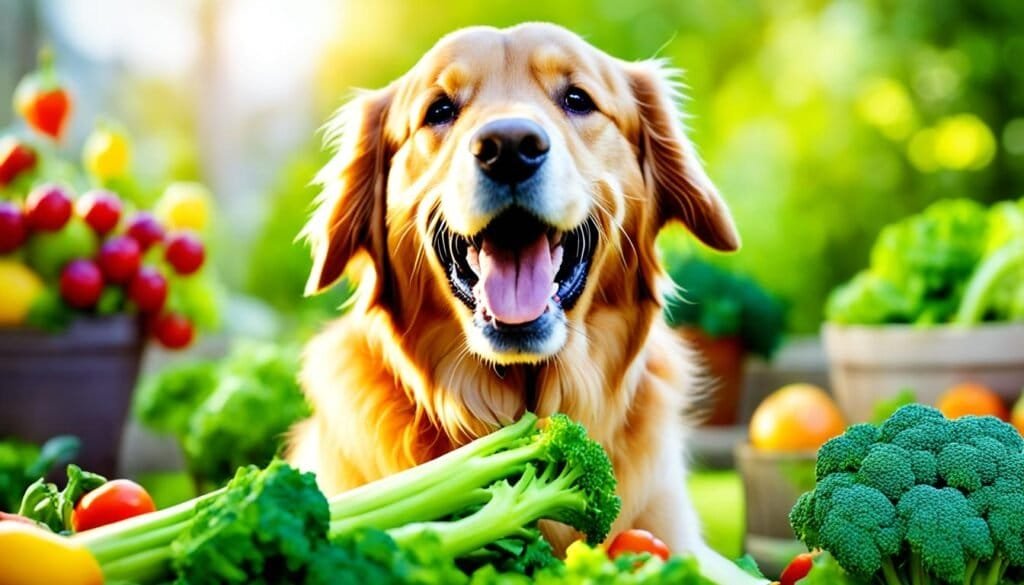
Broccoli florets are packed with vitamins, minerals and fiber, making them a superfood for both humans and dogs. Broccoli is a good source of vitamins C and K, which help maintain a healthy immune system and strong bones. It is also a good source of fiber, which aids digestion and gut health. Broccoli contains sulforaphane, a natural compound that researchers are still studying.
Health Benefits of Broccoli for Dogs
The nutrients in broccoli can offer several benefits for your dog. Vitamin C supports a strong immune system, while vitamin K is important for healthy bones. The fiber in broccoli can promote digestive regularity and gut health.
Safe Serving Sizes and Preparation Tips
When adding broccoli to your dog’s diet, keep the portion small. A single floret, chopped into bite-sized pieces, is sufficient for a small dog, while larger dogs can handle two to three florets. It’s preferable to steam or boil broccoli before offering it to your dog, as raw broccoli could cause stomach upset. Always consult your veterinarian before introducing any new food to make sure it is safe and appropriate for your pet’s individual needs.
Dates: A Sweet and Healthy Treat

Dates are a naturally sweet treat that can stand in for sugary snacks. Among superfoods for dogs, dates offer a range of nutritional benefits. These dog superfoods are a good source of fiber, potassium and magnesium, which can support healthy digestion, muscle function and nerve health. Dates also contain antioxidants that can help protect your dog’s cells from damage.
Nutritional Value of Dates for Dogs
The nutritional value of dates makes them a useful addition to your dog’s natural dog food and dog diet. Fiber supports digestive health, while potassium and magnesium play key roles in muscle and nerve function. Antioxidants in dates can also add a little extra to your dog’s overall health.
Moderation and Pit Removal Precautions
When adding dates to your dog’s healthy dog treats, offer them in moderation. A single, chopped date is a good portion size for most dogs. Be sure to remove the pit before feeding a date to your dog, as it can pose a choking hazard. Dates are naturally high in sugar, so keep them limited to maintain balanced dog nutrition.
More Superfoods for Dogs: Carrots, Blueberries and Cranberries
Carrots: Crunchy and Vitamin-Packed
Crunchy, colorful carrots are a well-known low-calorie source of vitamins and minerals, and a good choice for most dogs. Carrots are rich in beta-carotene, which is good for eye health. The body converts beta-carotene into vitamin A, which is essential for healthy vision, skin and coat. Carrots are also a good source of fiber and antioxidants, giving a nutritional lift to your dog’s diet.
Blueberries: Antioxidant Powerhouses
Blueberries are rich in antioxidants and can support your dog’s immune system. These blueberries are brimming with antioxidants, which help protect cells from damage. They are also a good source of fiber and vitamin C, which supports a healthy immune system.
Cranberries: Supporting Urinary Tract Health
Tart and tangy cranberries can be a useful addition to your dog’s diet. They are best known for their possible benefits for urinary tract health, and the proanthocyanidins in cranberries are the compounds usually studied. Cranberries are not a treatment for infections, so see your vet if your dog strains to urinate or has accidents. Cranberries are also a good source of fiber, vitamin C and antioxidants, making them a valuable superfood for your dog.
Other Superfoods for Dogs to Consider
There are a few other nutrient-dense options worth considering. Chia seeds and flax are good sources of omega-3 fatty acids, which support your dog’s joint, coat and skin health. Both are easy to sprinkle on regular meals.
Chia Seeds and Flax: Omega-3 Fatty Acids
Omega-3 fatty acids are essential for dogs, as they play an important role in maintaining healthy joints, managing inflammation and supporting the skin and coat. Chia seeds and flax are both natural, plant-based sources of these beneficial fats. Add small amounts of chia seeds or ground flaxseed to your dog’s meals so they get the omega-3s they need.
Sweet Potatoes: Packed with Vitamins and Minerals
Sweet potatoes are another superfood that can be a great addition to your dog’s natural dog food or dog treats. These vibrant tubers are packed with vitamins and minerals, including vitamins A, C, and B6, as well as iron and fiber. The vitamin A in sweet potatoes supports healthy vision, while the fiber supports digestive health. Sweet potatoes also contain calcium, necessary for strong bones and teeth, as well as a healthy nervous system. Serve them cooked and plain, and consult your veterinarian for the appropriate serving size for your dog.
The Bottom Line on Superfoods for Dogs
Superfoods for dogs can give a meal a small nutritional lift and some welcome variety. From broccoli and dates to carrots and blueberries, these nutrient-dense foods offer real but modest benefits for your dog’s health and well-being. Introduce new foods gradually, keep portions small and check with your veterinarian so you are meeting your dog’s specific dietary needs.
Used in small amounts, dog superfoods such as fruits and vegetables for dogs can sit alongside a quality natural dog food and support your dog’s nutrition. They work best as healthy dog treats within a balanced dog diet, not as a replacement for one.
Start with one food, watch how your dog responds, and build from there. Steady, sensible choices do more for your dog’s long-term well-being than any single ingredient.
FAQ
What are superfoods for dogs?
What are the benefits of superfoods for dogs?
Can superfoods for dogs replace regular dog food?
How much broccoli can I feed my dog?
Can I give my dog dates?
What are the benefits of carrots, blueberries, and cranberries for dogs?
How can chia seeds, flax, and sweet potatoes benefit my dog’s health?
Keep reading
- Adding Superfoods to Your Dog’s Bowl: Amounts and Timing
- A Beginner's Guide To Dog Grooming
- Best Dog Food: How to Choose the Right One for Your Dog
- Best Puppy Food: What Growing Dogs Need in Year One
More in Food & Treats, or start from the Doggy Rank iQ homepage.