
Frozen dog food is safe and practical to feed in 2026 if you keep it frozen, thaw it in the refrigerator and clean everything it touches. It also takes freezer space and a bigger budget than dry food, so it helps to plan before you switch.
Below you will find storage and hygiene rules for frozen and raw meals, a simple way to work out the daily cost, and a look at the dry and fresh brands owners often compare them with.
Royal Canin, a well-known brand of dry dog food, makes a specific formula for small breed dogs, and The Farmer’s Dog sells fresh meals by subscription. Many owners weigh these against frozen dog food before they decide. The choice matters because your dog’s diet affects their health and longevity, and balanced meals supply the nutrients they need to thrive. The brand sections below show what each option offers.
For the wider picture, see Best Dog Food: How to Choose the Right One for Your Dog.
Key Takeaways
- Frozen dog food needs freezer space, refrigerator thawing and clean handling, and it usually costs more per day than dry food.
- Royal Canin is a well-known brand for its high-quality dry dog food options.
- The Farmer’s Dog offers a popular subscription-based service, providing personalized meals using real, human-grade ingredients.
- Hill’s Science Diet is often recommended for puppies, with its Puppy Small Bites Dry Dog Food providing essential nutrients for healthy growth.
- Purina offers formulas made for large breed dogs, with a focus on joint health and mobility.
- Frozen dog food from brands like Just Food For Dogs can be a good option for dogs with specific dietary needs or allergies, once your vet agrees.
Storing Frozen Dog Food Safely and Budgeting for It
Frozen and raw meals work best when you plan for them. Before you switch, make room in the freezer and decide where thawed portions will sit in the refrigerator.
- Keep the food frozen until you are ready to thaw it, and follow the storage directions and dates on the package.
- Thaw portions in the refrigerator, not on the counter, because warm rooms let bacteria multiply.
- Wash your hands with soap and water after handling raw or frozen food, and wash bowls, spoons and prep surfaces after every meal.
- Follow the package directions on refreezing, and throw away anything your dog leaves in the bowl.
- Keep raw meals away from young children, older adults and anyone with a weakened immune system, since raw meat can carry germs such as Salmonella.
To compare costs, work out the price per day instead of the price per package. Divide the package price by the number of days it feeds your dog, using the feeding guide on the label for your dog’s weight. Price per day is the number to check for frozen dog food, and it grows quickly for large dogs.
Look for an AAFCO statement on the label showing the food is complete and balanced for your dog’s life stage. Change foods gradually over 7 to 10 days, and keep treats to no more than 10 percent of daily calories. If your dog eats a medical or prescription diet, ask your vet before switching to frozen dog food.
Choosing Between Dry, Fresh and Frozen Dog Food
Choosing the right dog food is a big decision for your dog’s health and well-being. Dogs need a balanced diet that includes high-quality protein, carbohydrates, fats, vitamins and minerals to thrive. Whatever format you pick, a few key factors apply.
Factors to Weigh Before Choosing Frozen Dog Food
The first step in choosing the right dog food is to consider your dog’s specific needs. Age, size, breed, and any dietary restrictions or allergies should be taken into account. Puppies have different nutritional requirements than adult dogs, and large breed dogs may benefit from formulas that support joint health. Size also decides how much freezer space and budget a frozen diet will take.
Nutritional Needs
Your dog’s dog food nutritional needs come down to balance. Look for food that contains high-quality protein, carbohydrates, fats, vitamins and minerals to support growth, energy and overall vitality.
Specific Needs
In addition to general nutritional requirements, some dogs have specific dietary needs based on their circumstances, such as allergies, a sensitive stomach or a medical condition. Choosing a food with natural, recognizable ingredients may help, and your vet can tell you what suits your dog.
High-Quality Ingredients
When choosing dog food with high-quality ingredients, look for formulas built on real, whole-food ingredients. If your dog reacts to fillers, artificial preservatives or coloring, avoid them, and read the ingredient list instead of relying on the front of the bag.
By weighing these factors, you can choose a diet that supports your dog’s health and well-being. With the right food, your dog can enjoy a long, healthy life by your side.
Dry and Fresh Brands to Compare With Frozen Options
If you are comparing dry and fresh foods with frozen meals, a few brands come up often. One is Royal Canin. Known for its high-quality dry dog food options, Royal Canin offers a balanced diet for dogs of all ages and breeds.
Royal Canin: A Trusted Brand for Balanced Nutrition
Royal Canin’s Small Breed Adult Dry Dog Food is designed to meet the nutritional needs of small breed dogs. It contains a precise blend of nutrients to support their overall health and well-being, including dental health.
The Farmer’s Dog: Fresh and Personalized Meals
Another option is The Farmer’s Dog, a popular subscription service known for using real, human-grade ingredients to create fresh, personalized meals for your dog.
Benefits of Subscribing to The Farmer’s Dog
A subscription gives your dog meals based on the details you provide, which supports good health and well-being. Like frozen meals, fresh deliveries need refrigerator or freezer space, so check your storage first.
Hill’s Science Diet: Nurturing Healthy Growth
Hill’s Science Diet is a trusted brand that is often recommended for puppies. Their Puppy Small Bites Dry Dog Food is formulated to support the healthy growth and development of small breed dogs.
Large Breed Dogs and Feeding Costs
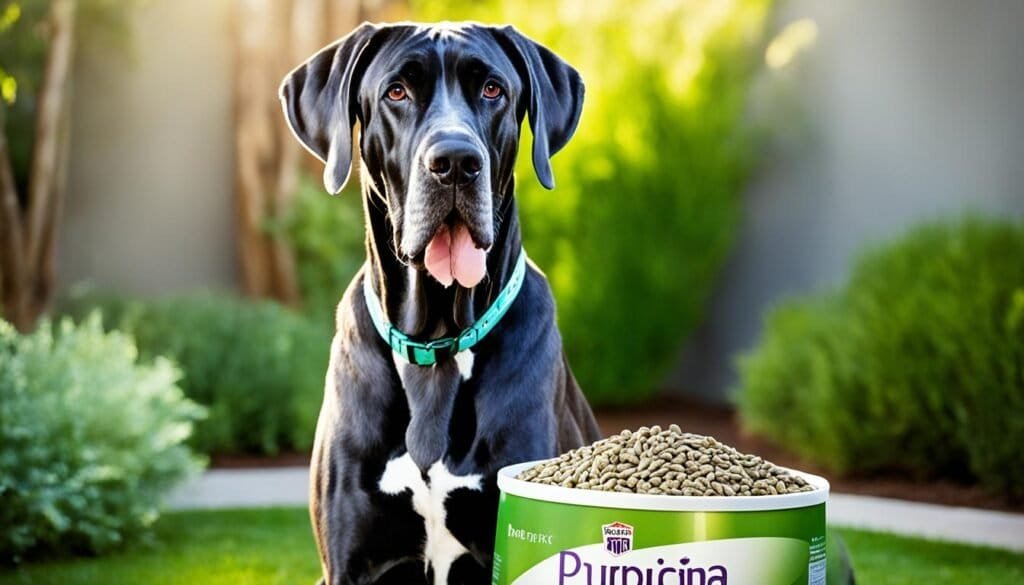
Large breed dogs eat more, so food costs and storage space add up faster. Their nutritional needs also differ from those of smaller dogs, and selecting the right Purina dog food for large breeds can have a significant impact on their health and well-being.
Purina: Trusted for Large Breed Nutrition
As a leading brand in the pet food industry, Purina has a strong reputation for developing high-quality formulas for the needs of large breed dogs. Purina Pro Plan Adult Large Dry Dog Food is a prime example of their commitment to complete nutrition for these larger canines.
Purina Pro Plan Adult Large Dry Dog Food
Formulated with large breed dogs in mind, the Purina Pro Plan Adult Large Dry Dog Food is designed to meet the unique nutritional requirements of these larger pups. The recipe features a blend of high-quality proteins, including real chicken, as well as essential nutrients and antioxidants to support their overall health and development.
One of the key benefits of the Purina Pro Plan Adult Large Dry Dog Food is its focus on joint health. The formula is enriched with glucosamine and chondroitin, which are known to support joint function and mobility in large breed dogs. This is particularly important as these canines are more prone to joint-related issues due to their size and weight.
The Purina Pro Plan Adult Large Dry Dog Food was listed at $72 on retailers like Amazon, Walmart and Chewy at the time of writing. Prices change, so check current listings. Dry food prices like these make a useful baseline when you work out what frozen meals would cost per day.
| Dog Food Brand | Price | Key Features |
|---|---|---|
| Purina Pro Plan Adult Large Dry Dog Food | $72 | Formulated for large breed dogs, contains real chicken, supports joint health with glucosamine and chondroitin |
| Royal Canin Large Breed Adult Dry Dog Food | Varies | Caters to large dogs aged 15 months to 5 years, weighing 56-100 lb, promotes skin and coat health with omega-3 fatty acids |
| Wellness Complete Health Large Breed Dry Dog Food | $77 | Made in the USA with real meat and natural ingredients, available in a 30-pound bag size for adult large breed dogs |
The Benefits of Frozen Dog Food
If you are weighing options for your dog, frozen dog food is worth a look, especially for dogs with specific dietary needs or preferences. It is minimally processed, which can mean it retains more of its natural nutrients and flavors. It also often leaves out common allergens like grains and fillers, so it may suit dogs with sensitivities or allergies. The trade-off is freezer space, careful handling and a higher cost.
Just Food For Dogs: One Frozen Option
One brand in the frozen dog food category is Just Food For Dogs. The company focuses on high-quality ingredients and balanced meals, which makes it a convenient option for owners who want to feed fresh food. It states that its recipes are formulated by veterinarians. As with any brand, check the label for an AAFCO statement and confirm the food fits your dog’s needs.
Is Frozen Dog Food Right for Your Dog?
A frozen diet can suit your dog if you have the freezer space, follow the hygiene rules and can handle a higher daily cost. Dry foods from Royal Canin, Hill’s Science Diet and Purina, and fresh subscriptions like The Farmer’s Dog, offer other choices with different storage and cost trade-offs.
Whether you pick premium dry food, a fresh subscription or a frozen option, choose a brand that puts your pet’s health first. Check for an AAFCO statement, change foods over 7 to 10 days, and ask your vet if your dog has medical needs.
Your dog’s well-being should be the top priority when selecting food. Weigh storage, safety and cost together, and you can feed with confidence.
FAQ
What are the key factors to consider when choosing the right dog food?
Which dog food brands are most often compared with frozen meals?
Why is frozen dog food a good option to consider?
How do I store and thaw frozen dog food?
What are the benefits of subscribing to a fresh dog food delivery service like The Farmer’s Dog?
What should I look for when choosing a dog food for a large breed?
Keep reading
- Vet Recommended Dog Food for Specific Health Problems
- Comparing Dog Food Brands: A Simple Three-Step Method
- Fresh Dog Food Delivery: Is a Subscription Worth It
- Dog Food Ingredients to Avoid: Red Flags on the Label
More in Food & Treats, or start from the Doggy Rank iQ homepage.