
Can dogs eat grains and dairy? Yes, most dogs can. Cooked, plain grains like rice and oats are fine for the majority of dogs, and small amounts of plain dairy suit many of them, but lactose tolerance varies from one dog to the next.
As of 2026, many owners still hear that grains are bad for dogs, which is not true for most pets. This article answers the can dogs eat grains question for oatmeal, rice, and grain-free diets, and explains how to offer dairy safely.
If you are still deciding, start with Best Dog Food: How to Choose the Right One for Your Dog.
Being a pet parent comes with its fair share of responsibilities, including providing your dog with a nutritious diet. Ensuring your dog has the right food can offer multiple health benefits, such as weight management and maintaining a healthy immune system. Commercially processed canned or kibble foods are formulated to meet dogs’ nutritional needs for proteins, fats, carbohydrates, vitamins, and minerals. These foods undergo a process of quality control and inspection to catch any contaminants or pathogens before they affect pets or people.
Key Takeaways
- Can dogs eat grains? Most dogs can, and cooked, plain grains like oats and rice are safe choices in moderation.
- Grain-free is not automatically better. Grain allergies are uncommon, so talk to your vet before switching.
- Dairy is fine in small amounts for some dogs, but lactose tolerance varies, so start with a tiny portion.
- Treats, including grains and dairy, should stay under about 10 percent of your dog’s daily calories.
- Commercially processed canned or kibble foods are formulated to meet dogs’ nutritional needs and undergo quality control.
- Understanding proper dog nutrition is important for pet owners.
Can Dogs Eat Grains? What Is Safe and What to Watch For
For most dogs, cooked, plain grains such as rice and oats are safe and can be part of a balanced diet. Serve them without salt, butter, sugar, or seasoning, and keep portions small. Many complete commercial foods already contain grains, so extras should stay within the 10 percent treat limit.
Grain-free is not automatically better. True grain allergies are uncommon, and cutting out grains does not make a diet healthier on its own. If you are thinking about a grain-free food, ask your vet first, and add any new food slowly over 7 to 10 days.
Dairy is less straightforward. Dogs vary in how well they digest lactose, so milk or soft cheese can cause gas or loose stools in some dogs while others handle a spoonful of plain yogurt without trouble. Start with a tiny amount, watch for stomach upset, and skip any product with added sugar or sweeteners like xylitol, which is toxic to dogs.
Dogs with diabetes, pancreatitis, kidney disease, or known food allergies may need a medical diet, so check with your vet before adding grains or dairy.
Understanding Dog Nutrition
Domesticated dogs are omnivores, similar to humans. Omnivores are naturally able to consume and digest food from both animal and plant sources. This means the range of healthy dog treats and homemade dog meals can be wider than that of obligate carnivores, like wolves, who are not equipped to efficiently digest vegetation. It is also why the answer to “can dogs eat grains” is usually yes.
Can Dogs Eat Grains as Omnivores?
Some dogs naturally enjoy fruits and vegetables, and they can even eat cooked vegetables without the need for pureeing. This versatility in their dietary preferences sets dogs apart from their more carnivorous counterparts. Dogs can also digest cooked grains such as rice and oats. That said, not all types of meat are safe for all dogs, as some canines may have food allergies triggered by specific proteins, such as beef, chicken, eggs, fish, or dairy.
Common Food Allergies in Dogs
Flea allergy dermatitis is a very common cause of itching in dogs, and environmental or seasonal allergies are more common in dogs presenting with skin and ear problems. In contrast, food allergies are relatively uncommon in dogs. So, can dogs eat grains if allergies are a worry? Usually yes, because proteins are more often the trigger than grains. Pet owners should consult with their veterinarian to determine if their dog has any specific dietary restrictions or requirements due to allergies or sensitivities.
By understanding the unique nutritional needs of dogs as omnivores, and recognizing the potential for food allergies, pet owners can make informed decisions about the natural dog food, dog superfoods, and low-fat dog snacks that will keep their canine companions healthy.
Safe Proteins to Serve Alongside Grains
Cooked, unseasoned chicken, turkey, and beef are all great sources of protein for your dog. But it’s important to remove all bones to reduce the risk of choking. Among the three, chicken is the most balanced meat as it is high in protein but also low in fat, making it the healthiest type of meat to serve canines.
Cooked, Unseasoned Chicken, Turkey, and Beef
Cooked, unseasoned fish is another healthy treat for dogs as it is a good source of protein and omega-3 fatty acids. As with chicken and beef, it’s important to remove all bones from the fish before serving.
Cooked, Unseasoned Fish
Cooked, unseasoned eggs, whether hard-boiled or scrambled, can also be a good treat for your dog as they are a great source of protein, vitamin D, selenium, and riboflavin.
Cooked, Unseasoned Eggs
Nutritious Fruits and Vegetables for Dogs
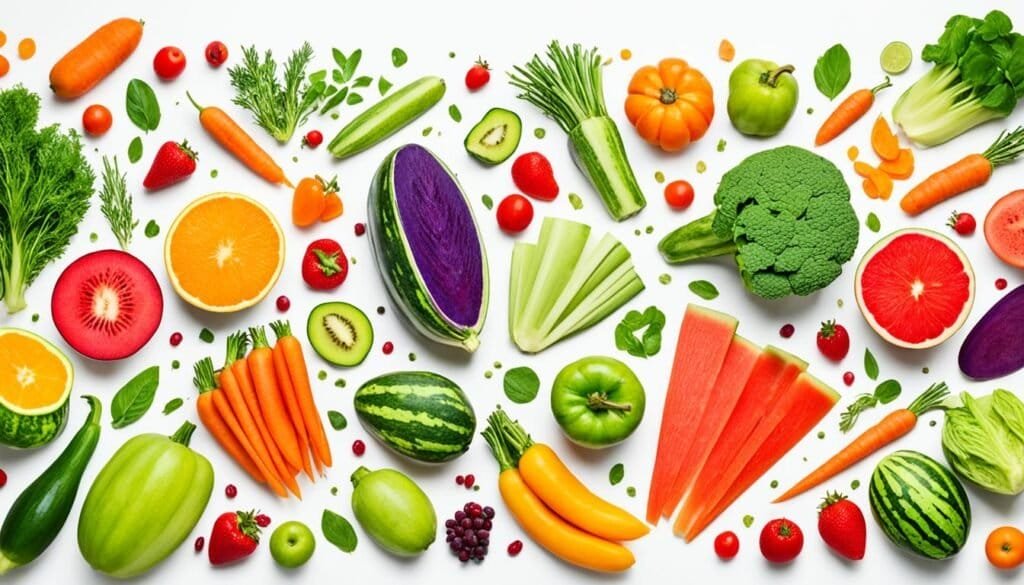
In addition to high-quality protein sources, your canine companion can also benefit from a variety of nutritious fruits and vegetables. These plant-based foods can provide essential vitamins, minerals, fiber, and antioxidants to support your dog’s overall health and well-being.
Cooked Pumpkin
Cooked and chopped-up pumpkin is a healthy and nutritious snack for dogs as it is a good source of fiber and beta-carotene, which can help with digestion and improve the appearance of your dog’s coat.
Cooked Green Beans
Cooked green beans are a good source of fiber, vitamin C, and other nutrients that can help support your dog’s overall health.
Cooked Carrots
Cooked carrots are a great source of fiber, vitamin A, and beta-carotene for dogs, but make sure they are cooked thoroughly, as raw or semi-raw carrots can be difficult for dogs to digest.
Cooked Spinach
Cooked spinach is a nutrition-packed treat for dogs, providing fiber, vitamin A, vitamin K, vitamin C, and potassium.
Sliced Apples (In Moderation)
Sliced apples, with the seeds and core removed, can be a crunchy and vitamin-rich treat for dogs, but should be given in moderation due to their natural sugar content.
Bananas (In Moderation)
Bananas are also a healthy treat for dogs, as they are high in potassium, fiber, and magnesium, but should also be given in moderation.
Healthy Grains and Dairy for Dogs
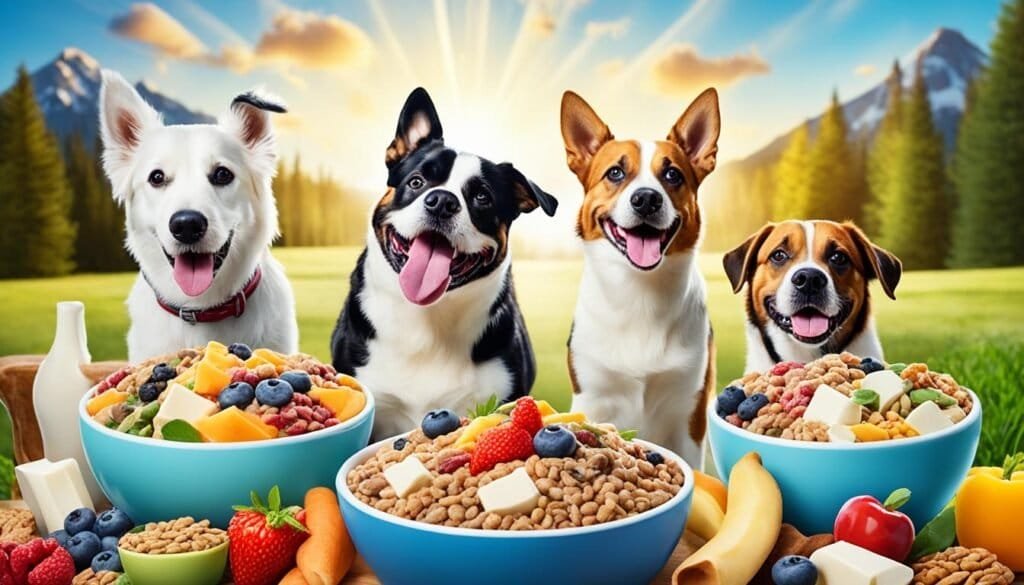
Alongside the protein-rich and nutrient-dense foods covered above, certain grains and dairy products can fit into your dog’s healthy, balanced diet when you choose them with care. One easy example is cooked oatmeal, which offers several benefits for canine health.
Can Dogs Eat Grains Like Oatmeal?
Cooked oatmeal is a nutritious treat for dogs as it contains vitamin B, which helps maintain a healthy coat, and linoleic acid, a type of omega-6 fatty acid that supports the strength of dogs’ skin. The soluble fiber in oatmeal has also made it an increasingly common ingredient in commercial dog food formulations, as it can aid in digestive health and regularity. Serve it plain, cooked with water, and without sugar or flavorings.
Dairy follows the same rule: plain, in small amounts, and only if your dog tolerates it well.
Can Dogs Eat Grains in Commercial Dog Food?
Many commercial foods include grains, and a food can be a good choice with or without them. What matters more is that the food meets the AAFCO (Association of American Feed Control Officials) nutrition standards. You can check this by reading the nutritional adequacy statement on the product label.
AAFCO Nutrition Standards
Look for brands that employ or consult qualified nutrition experts, such as a board-certified veterinary nutritionist. The label should say the food is complete and balanced for your dog’s life stage, which shows it meets the AAFCO nutrient profiles.
Ingredients and Grain Content
The ingredient list shows all the components in descending order by weight, so the first few items make up most of the food. Can dogs eat grains that appear near the top, such as rice, oats, or barley? Usually yes, as long as the food is complete and balanced. Choose dog foods that feature recognizable, whole-food ingredients to support good dog nutrition, healthy dog treats, and natural dog food choices.
Nutritional Value and Proportions
In addition to ingredient quality, it helps to consider the overall nutritional value and proportions of the dog food. Look for formulas that provide the appropriate balance of proteins, fats, carbohydrates, vitamins, and minerals to support your dog’s dietary requirements, dog superfoods, and high-protein dog diet.
Dog’s Size, Weight, and Life Stage
Finally, be mindful of your dog’s size, weight, and life stage when selecting a food. Puppy formulas or “all life stages” options are recommended for young dogs to meet their changing nutritional needs, while large breed and small breed dogs may require specialized formulations. Senior dogs, typically 7 years and older, have their own dietary considerations, such as weight management and palatability.
By considering these key factors, you can pick low-fat dog snacks and either grain-inclusive or grain-free dog food that fits your dog’s individual nutritional requirements and preferences.
Final Thoughts on Grains and Dairy for Dogs
Can dogs eat grains safely? For most dogs, yes. Providing your dog with a nutritious and safe diet is essential for their overall health and well-being, and cooked, plain grains can be part of it. By understanding the nutritional needs of dogs as omnivores, as well as common food allergies, pet owners can make informed choices about the top-rated foods that are safe and beneficial for their canine companions. The list of recommended human foods, including cooked meats, fish, eggs, fruits, and vegetables, can be incorporated into your dog’s diet as healthy treats or toppers to their regular dog food.
Considering factors such as AAFCO nutrition standards, ingredient quality, and your dog’s individual needs can help you select the right commercial dog food. By prioritizing your dog’s dietary requirements and checking with your vet about grains and dairy, you can keep them healthy.
Whether you opt for homemade dog meals, natural dog food, or high-protein dog diet options, the key is to provide your dog with a balanced, nutritious, and safe diet that suits their unique dog dietary requirements. By incorporating healthy dog treats and dog superfoods into their meals, you can support your dog’s overall well-being and promote a long, vibrant life.
FAQ
Can dogs eat grains every day?
Is grain-free dog food better for dogs?
Can dogs have dairy?
What are some of the top-rated foods for dogs that are safe and nutritious?
Why are dogs considered omnivores, and how does that impact their dietary needs?
What are some common food allergies in dogs, and how can they be addressed?
How can I ensure the dog food I choose meets my dog’s nutritional needs?
What are the benefits of incorporating human foods into my dog’s diet?
Keep reading
- Best Puppy Food: What Growing Dogs Need in Year One
- Why Dogs Bite Their Own Owners and How to Prevent It
- Dog Feeding Tips From Vets: Portions, Timing and Water
- Dog Food Ingredients to Avoid: Red Flags on the Label
More in Food & Treats, or start from the Doggy Rank iQ homepage.