
The best dog feeding tips from vets come down to three habits: size each portion by your dog’s weight, feed set meals instead of leaving food out, and keep fresh water within reach all day. Start with the feeding guide on the food label for your dog’s weight, split the daily amount into two meals, and let your vet adjust it from there.
As of 2026, that advice still holds whether you feed kibble, fresh or air-dried food. Use these dog feeding tips as a starting point, since age, health and activity level change what each dog needs.
For the wider picture, see Best Dog Food: How to Choose the Right One for Your Dog.
Below, you will find a short section of core dog feeding tips first, then the basics of canine nutrition, some food examples and the label details that affect how much you serve. Each part is general guidance, so check with your veterinarian about your own dog.
Key Takeaways
- Size portions from the feeding guide on the label, then adjust with your vet based on your dog’s weight and body condition.
- Most adult dogs do well on two measured meals a day rather than free feeding.
- Keep fresh water available all day, and keep treats to about 10 percent of daily calories.
- Change foods slowly over 7 to 10 days to limit digestive upset.
- These dog feeding tips are general, so ask your vet about medical diets and special needs.
Core Dog Feeding Tips for Portions, Timing and Water
These dog feeding tips are the ones vets repeat most often, and they apply to most healthy adult dogs.
- Portions: Begin with the feeding guide on the label for your dog’s weight, measure with a cup or scale, and adjust with your vet if your dog gains or loses weight.
- Timing: Two meals a day at regular times suit most adult dogs. Puppies usually eat more often, so ask your vet for a schedule.
- Water: Keep clean, fresh water available all day and refill the bowl often.
- Treats: Keep treats to about 10 percent of daily calories.
- Changes: Introduce a new food over 7 to 10 days.
- Labels: Look for an AAFCO statement saying the food is complete and balanced for your dog’s life stage.
- Medical diets: Ask your vet before feeding a prescription or special diet.
Understanding Nutritional Needs of Dogs
Good feeding starts with knowing what dogs need. At the core is understanding the nutritional needs of dogs. Dogs are omnivores, meaning they can meet their nutritional requirements by consuming a combination of plant and animal-based foods.
Importance of Complete and Balanced Diet
Providing your dog with a complete and balanced diet is essential for supporting their overall health and vitality. A well-formulated dog food should contain the six basic nutrients essential for canine health: water, proteins, fats, carbohydrates, minerals, and vitamins. These nutrients work together to fuel your dog’s energy needs, support tissue repair and growth, and maintain normal bodily functions.
Role of Proteins, Fats, and Carbohydrates
Within a balanced dog diet, each macronutrient plays a vital role. Proteins are the building blocks for your dog’s tissues, enabling the repair and maintenance of muscles, organs, and other essential structures. Fats provide a concentrated source of energy and support healthy skin and coat, while also helping with the absorption of fat-soluble vitamins. Carbohydrates serve as an efficient energy source, aiding in nutrient absorption and supporting healthy digestion.
Getting the right balance of these macronutrients matters when selecting the best dog food options to meet your canine’s unique nutritional needs. Even the best dog feeding tips cannot fix a food that is missing key nutrients, so start with a complete and balanced formula. Knowing the role of proteins, fats, and carbohydrates helps owners make informed choices that support good canine nutrition and overall health.
Food Examples to Pair With These Dog Feeding Tips
The food in the bowl matters as much as the amount. Many brands cater to a wide range of dietary needs, from grain-free and high-protein to air-dried and fresh dog food options. These dog food examples are formulated with natural dog food formulas and nutritious pet diets to provide complete and balanced nutrition. They are examples, not rankings, and the same dog feeding tips for portions and meal timing apply to each one.
Open Farm Grain-Free Dog Food
Open Farm’s Grain-Free Dog Food line is a popular choice among pet owners seeking premium dog food brands with a focus on natural ingredients. Featuring a protein-rich recipe with humanely raised meat as the first ingredient, this grain-free dog food boasts a fat-to-protein ratio of approximately 48%, making it an excellent option for supporting healthy muscle development and energy levels.
Redbarn Grain-Free Sky Dog Food
Redbarn’s Grain-Free Sky Dog Food offers a delicious and nutritious balanced dog food formulation, with a protein content of around 32% and a fat-to-protein ratio of roughly 78%. This air-dried dog food is made with high-quality ingredients, including humanely raised chicken and turkey, to cater to the unique dietary needs of your canine friend.
Wellness Complete Health Adult Deboned Chicken and Oatmeal
The Wellness Complete Health Adult Deboned Chicken and Oatmeal formula is a popular choice among pet owners seeking a high-quality dog food with a balanced nutrient profile. This premium dog food contains approximately 27% protein, providing the necessary building blocks for maintaining healthy muscles and tissues.
Taste of the Wild High Prairie
Taste of the Wild’s High Prairie formula is a grain-free dog food that features a protein-rich blend of bison, venison, and beef, offering a natural and high-protein dog food option for your canine companion. With a protein content of around 32%, this balanced dog food supports the overall health and vitality of your dog.
The Pets Table Chicken and Sweet Potato Air-Dried Food
The Pets Table Chicken and Sweet Potato Air-Dried Food is a unique air-dried dog food option that offers a convenient and nutrient-dense meal for your canine companion. With a protein content of approximately 35% and a fat-to-protein ratio of around 122%, this limited ingredient dog food is an excellent choice for dogs with specific dietary needs or sensitivities.
Instinct Original with Real Beef
Instinct’s Original with Real Beef formula is a high-protein dog food that boasts a protein content of around 40%, making it a great choice for active pups or those with high-energy requirements. This natural dog food is made with real, humanely raised beef as the first ingredient, providing a delicious and nutritious meal for your dog.
Spot and Tango Chicken and Brown Rice Unkibble
Spot and Tango’s Chicken and Brown Rice Unkibble is a fresh dog food option that offers a convenient and balanced dog food solution. This premium dog food features real, humanely raised chicken as the primary ingredient, along with a blend of nutrient-dense superfoods to support your dog’s overall health and well-being. Formulas change, so check the current label and its feeding guide before you measure.
What to Check on the Label Before You Portion Food
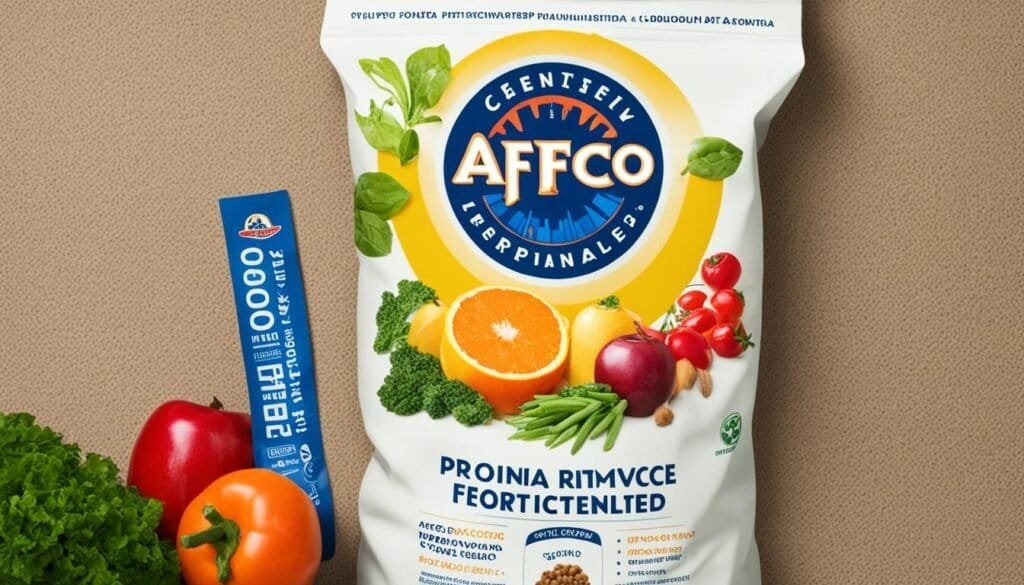
Before you measure a single scoop, check a few key factors on the label. Making sure the dog food meets AAFCO (Association of American Feed Control Officials) nutrition standards matters, as this indicates the food is complete and balanced. The ingredients and palatability of the dog food are also essential, as high-quality, natural ingredients can contribute to better digestion and overall health, while palatability ensures your dog will eagerly eat the food.
Also, the nutritional value and proportions of the dog food, as well as your dog’s size, weight, and life stage, should be taken into account so the diet meets their specific nutritional needs. By understanding these factors, you can make an informed decision and give your dog good nutrition for their overall health and wellbeing.
AAFCO Nutrition Standards
Making sure the dog food you choose meets the AAFCO nutrition standards is important, as this indicates the food is complete and balanced. AAFCO guidelines determine the information on the pet food label, including the nutritional adequacy statement, guaranteed analysis, and ingredient list. When selecting a dog food, look for the AAFCO statement of nutritional adequacy to confirm the diet is suitable for your dog’s life stage.
Ingredients and Palatability
The ingredients and palatability of the dog food are also important factors to consider. High-quality, natural ingredients can contribute to better digestion and overall health, while palatability ensures your dog will eagerly eat the food. The ingredient list on dog food labels is ordered by weight, from the largest to smallest ingredient amount, typically starting with protein and carbohydrate sources like meat, fish, grains, and potatoes.
Nutritional Value and Proportions
The nutritional value and proportions of the dog food should be evaluated to ensure it meets your dog’s specific needs. The guaranteed analysis on dog food labels indicates minimum or maximum amounts of essential nutrients like protein, with recommended levels established by AAFCO. Many dog foods go above these minimums, so compare labels and ask your vet which protein level suits your dog. The feeding guide on the bag then turns these numbers into the portion advice behind most dog feeding tips.
Dog’s Size, Weight, and Life Stage
Your dog’s size, weight, and life stage are also key factors when choosing the best dog food. Different breeds have varied nutritional requirements, with large breed dogs and small breed dogs having unique needs that should be addressed. Puppies and senior dogs also have different nutritional requirements that may call for specialized formulas to support their specific health and wellness needs.
By taking into account these essential factors, you can confidently choose a dog food suited to your canine companion’s overall health and wellbeing.
More Dog Feeding Tips: Transitions, Portions and Allergies
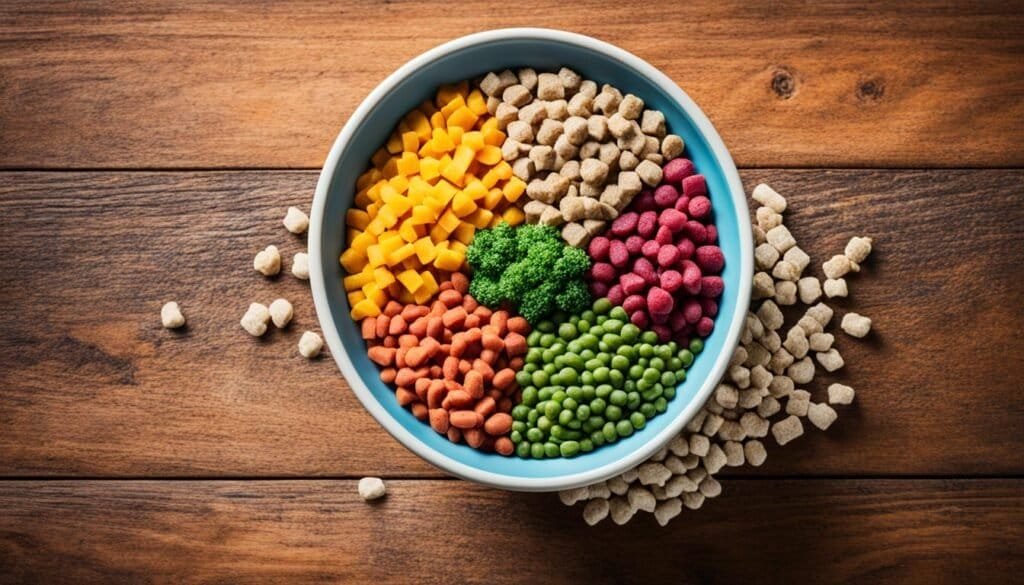
Good dog food transition tips start with going slowly. Experts recommend a gradual change when introducing a new dog food, as this can help prevent digestive upset and ease the adjustment.
Transitioning to New Food Gradually
When transitioning to a new dog food, it’s best to do so over about 7 to 10 days, starting with a blend of 75% of the old diet and 25% of the new diet. Gradually increase the ratio of new food to old food over this time, allowing your dog’s digestive system to adjust to the change. This gradual approach can help minimize the risk of gastrointestinal issues and make the switch easier.
Monitoring Portion Sizes
Proper dog food portion sizes are essential for maintaining your pet’s health and preventing weight-related problems. Most dog feeding tips for portions start with a measuring cup or kitchen scale instead of guesswork. Carefully monitor your dog’s food intake and adjust portions accordingly, taking into account their size, weight, and activity level. Consult your veterinarian or a canine nutritionist to determine the appropriate dog food portions for your dog.
Addressing Allergies and Sensitivities
If your dog experiences food allergies or sensitivities, it’s important to address these concerns promptly. Consider switching to a limited ingredient or hypoallergenic dog food formula to help manage your dog’s health concerns and support their overall well-being. Work closely with your veterinarian or a canine nutrition specialist to identify the underlying issues and develop a suitable diet plan for your dog.
By following these dog feeding tips, you can help your canine companion get the proper nutrition and support they need to thrive. Check with your veterinarian before making any significant change to your dog’s diet or when health concerns come up.
Putting It All Together
Good feeding comes down to a complete and balanced food, a measured portion, regular meal times and fresh water. This article covered the basics of canine nutrition, core dog feeding tips, some food examples and the label details that matter.
By understanding your dog’s unique nutritional needs, choosing quality, natural ingredients, and following expert guidance on proper feeding practices, you can give your dog the balanced nutrition they need to thrive. Choosing the right food is an important decision for your pet’s long-term health and wellness.
The factors to consider when choosing dog food include AAFCO nutrition standards, ingredient quality and palatability, and your dog’s size, weight, and life stage. Keep these in mind, check in with your veterinarian, and you can pick a food that supports your dog’s overall health and wellbeing.
FAQ
What are the key factors to consider when choosing the best dog food?
Why is a complete and balanced diet important for a dog’s overall health and wellbeing?
Which dog foods are mentioned in this article?
How often should I feed my dog, and how much water does it need?
How can I smoothly transition my dog to a new dog food?
How can I address my dog’s food allergies or sensitivities when selecting a new dog food?
Keep reading
- Foods Dogs Cannot Eat: The Toxic List Every Owner Needs
- Purina Dog Food Review: Ranges, Prices and Who It Suits
- Dog Food Ingredients to Avoid: Red Flags on the Label
- Dog Food for Sensitive Stomachs and Food Allergies
More in Food & Treats, or start from the Doggy Rank iQ homepage.