
The safest dog food alternatives when you run out are plain cooked lean protein like chicken or turkey, cooked brown rice or oatmeal, and plain cooked vegetables such as pumpkin or green beans. Keep everything unseasoned, skip toxic foods like onions, grapes and raisins, and plan to get back to your dog’s regular food within a day or two.
As of 2026, here is what to cook, what to avoid, and how to cover a meal or two with dog food alternatives from your own kitchen. They are a short-term fix, not a complete diet, so we also cover how to move back to kibble without an upset stomach.
When your dog’s food bowl is empty and you’re scrambling for a replacement, it helps to know which human foods are safe and which to avoid. In a pinch, dog food alternatives like these can work for the short term, but they lack the complete and balanced nutrition of commercial dog food, so they are not a long-term solution. Focus on lean proteins, complex carbohydrates, and fresh vegetables to give your dog the nutrients they need for now.
This sits inside a bigger question: Best Dog Food: How to Choose the Right One for Your Dog.
Key Takeaways
- Plain, cooked dog food alternatives from your kitchen can cover a meal or two when you run out of dog food.
- Lean protein sources like boneless, skinless chicken, ground turkey, and lean ground beef are good choices.
- Cooked vegetables such as sweet potatoes, pumpkin, carrots, and green beans provide vitamins, minerals, and fiber.
- Whole grains like brown rice and oatmeal are a useful source of complex carbohydrates.
- Portion control and a gradual switch back to regular food help keep your dog’s stomach settled.
Why Dog Food Alternatives Matter
There may be times when you run out of your dog’s regular food or the store is closed when you need it. Knowing which dog food alternatives are safe lets you make a calm, informed choice about your pup’s next meal. Homemade meals let you control exactly what goes in the bowl, which is useful if your dog does not do well with certain additives or fillers. Just keep them short-term.
When You Run Out of Dog Food
Unexpected circumstances, such as a delayed delivery or a forgotten shopping trip, can leave the bowl empty. Plain cooked meat, rice, and vegetables are the easiest fix. Treats are not a meal, and a raw dog food diet carries food safety risks, so cooked options are the safer choice for a quick swap. Talk to your vet before adding dog nutrition supplements to homemade meals.
Why Homemade Works as a Short-Term Fix
Preparing a simple meal at home means you know every ingredient your dog is eating. With fresh, plain ingredients, you can match the meal to your dog’s needs and avoid foods that cause trouble for them. For anything longer than a meal or two, a complete and balanced commercial food is the better choice.
Safe Rules for Using Dog Food Alternatives
Before you start cooking, a few basics apply to any dog food alternatives you use in a pinch.
- Keep treats and extras, like peanut butter or fruit, to about 10 percent of your daily calories for your dog.
- Cook meat thoroughly and keep it plain: no salt, onions, garlic, or seasoning.
- If you buy a small bag of food as a stand-in, look for an AAFCO statement saying it is complete and balanced.
- If your dog is a puppy, is pregnant, has a medical condition, or eats a prescription diet, call your vet before swapping foods.
- When you change foods for any longer period, make the switch over 7 to 10 days.
Lean Proteins for Dog Food Alternatives
When you’re cooking for your dog in a pinch, lean protein is the foundation of the meal. Boneless, skinless chicken, ground turkey, and lean ground beef are all good choices that provide high-quality protein to support your dog’s muscle and tissue health. Cook these proteins thoroughly to eliminate any potential bacteria. Avoid seasoning the meat with spices, salt, or other additives, as these can upset your dog’s digestive system. For more ideas, see these Homemade Dog Food Recipes.
Boneless Chicken
Boneless, skinless chicken is an easily digestible, high-protein option that works in many meals. Read up on the Raw Dog Food Diet if you’re curious, but for a quick swap, cook the chicken thoroughly to avoid the food safety risks of raw poultry.
Ground Turkey
Ground turkey is another good source of lean protein for your dog’s homemade meals. It contains essential amino acids and is a mild option for most dogs. As with the chicken, cook the ground turkey thoroughly before serving it to your pup.
Lean Ground Beef
Lean ground beef can also be a protein choice for your dog’s homemade meals. Beef contains nutrients like zinc and iron. Choose a lean cut, drain the fat, and cook it thoroughly. If you are thinking about extras, read about Dog Nutrition Supplements and check with your vet first.
Vegetable Varieties
Along with protein, vegetables round out your dog food alternatives. Sweet potatoes, pumpkin, carrots, and green beans are all good choices that provide vitamins, minerals, and fiber. Cook or puree them so they are easier for your dog to digest. Avoid feeding raw vegetables, as they can be difficult for your dog to break down. A small portion in each meal is plenty.
| Vegetable | Key Nutrients | Benefits for Dogs |
|---|---|---|
| Sweet Potatoes | Beta-carotene, fiber, manganese, potassium, vitamins A, B6, and C | Support skin, coat, eye, muscle, and nerve health |
| Pumpkin | Antioxidants, fiber, vitamins A and C | Can help with mild digestive upset and support skin and coat health |
| Carrots | Biotin, fiber, potassium, vitamins A, B6, and K | Good for dental health, act as a natural dental stick |
| Green Beans | Calcium, fiber, iron, manganese, protein, vitamins A, B6, C, and K | Low in calories, serve as a healthy alternative to fatty treats |
Grain Options
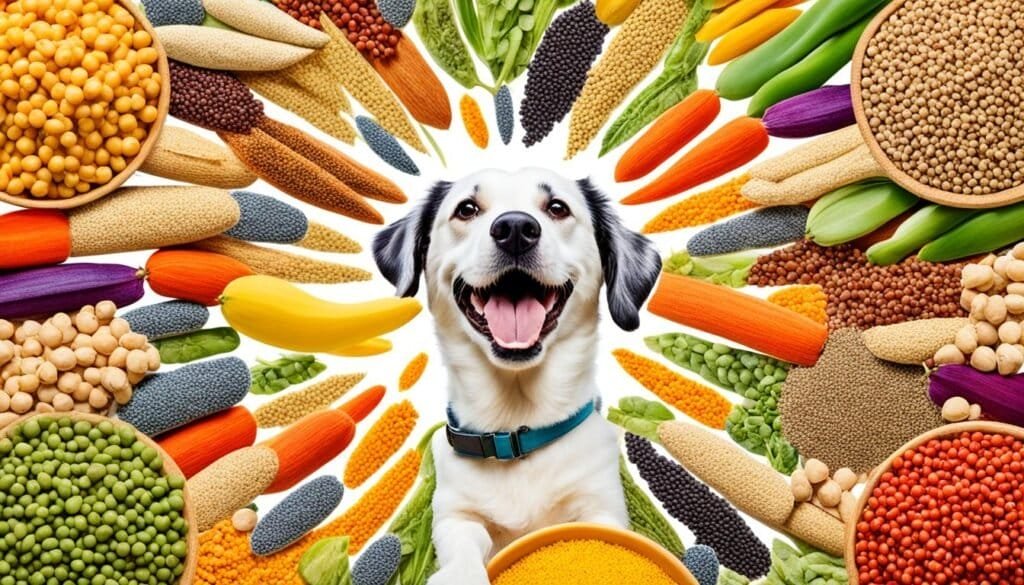
Grains can be a useful part of dog food alternatives, providing complex carbohydrates for energy and fiber for digestive health. Cooked brown rice and plain, unsweetened oatmeal are both safe, simple options. Avoid processed, sugary grains, as these can lead to weight gain and other health issues. Serve whole grains in moderation to create a balanced and filling meal.
Brown Rice
Brown rice is a great source of complex carbohydrates that can provide your dog with sustained energy. It is also rich in fiber, which supports healthy digestion. Cook it thoroughly and avoid adding any seasonings or sauces.
Oatmeal
Plain, unsweetened oatmeal is another good grain option for your dog’s homemade meals. Oatmeal is high in fiber and may help keep blood sugar steadier. It’s also a good source of vitamins, minerals, and antioxidants. Serve oatmeal in moderation and avoid adding sugar or other additives.
When you are back to shopping for regular food, ask your vet how to weigh grain-free dog food options against organic dog food brands for your dog. Whole, minimally processed grains can provide valuable nutrients, but your dog also needs enough fiber, protein, and other vitamins and minerals from their overall diet.
Best Dog Food Alternatives for Short-Term Feeding
When your dog’s regular food is unavailable, it helps to have a plan for a nutritious stand-in. The best dog food alternatives are homemade meals of lean protein, fresh vegetables, and whole grains, as long as they are balanced and introduced gradually. Avoid human foods that are toxic or hard to digest, such as onions, grapes, and cooked bones. With the right mix of ingredients, you can make a simple, healthy meal that keeps your pup satisfied until the regular food is restocked.
Commercial dog food is more nutritionally balanced and complete, so treat homemade meals as a stopgap. Natural dog treats are fine as extras but they are not a meal, and a raw dog food diet or dog nutrition supplements are best discussed with your vet first.
If you buy grain-free dog food options or healthy dog snacks to bridge the gap, skip any ingredients that may be toxic or hard for your dog to digest. Vegetarian dog food and organic dog food brands can also work if they are labeled complete and balanced and meet your dog’s specific needs.
These stopgaps are a temporary solution, not a long-term replacement for your dog’s regular, nutritionally complete food. A gradual transition, with a few dog food toppers mixed in if your dog is hesitant, can make the return to the normal feeding routine easier once the regular food is restocked.
Fruits and Treats
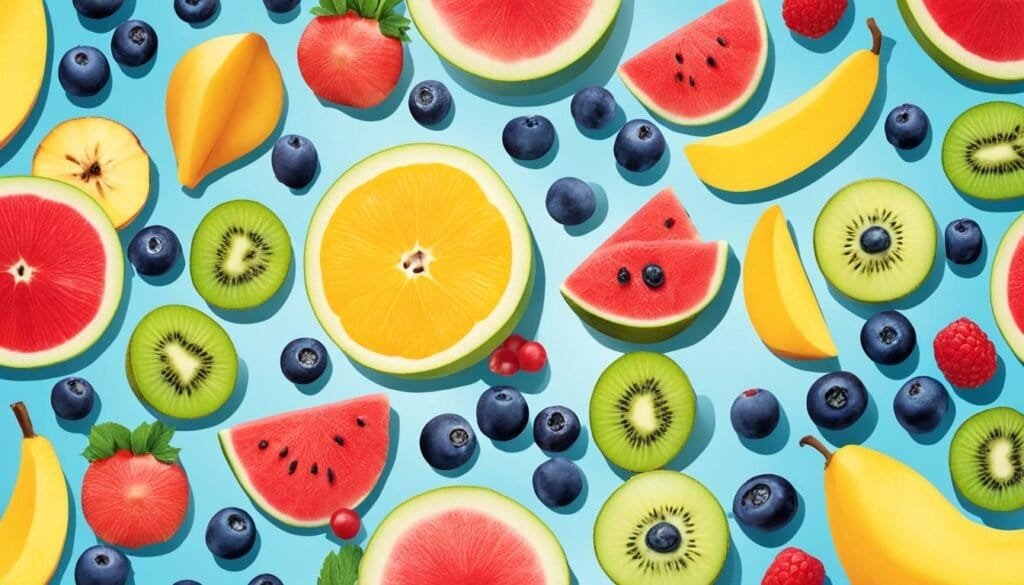
Beyond the main meal, you can add a few Natural Dog Treats and Healthy Dog Snacks to your dog’s homemade diet. Blueberries are a good source of antioxidants and make a refreshing snack, while peanut butter (without xylitol) can be a tasty treat that also provides protein. Watch portion sizes, keep treats to about 10 percent of daily calories, and avoid any fruits or treats that are toxic to dogs, such as grapes or raisins.
Blueberries
Blueberries are a good Healthy Dog Snack for your dog. They are rich in antioxidants, fiber, and phytochemicals, making them a nutritious choice. Serve them fresh or frozen for a refreshing treat, but keep portions small to avoid digestive issues.
Peanut Butter
Peanut butter can be a tasty Natural Dog Treat, providing your dog with a source of protein. Choose a peanut butter that is free of xylitol, as this sweetener can be highly toxic to dogs. Offer peanut butter in moderation as an occasional treat, and keep the jar out of reach!
Balancing Nutrients
When preparing homemade meals for your dog, aim for a balanced plate that meets their nutritional needs. That means combining lean proteins, complex carbohydrates, and a variety of cooked vegetables in sensible proportions. Consider your dog’s individual needs, such as food allergies or sensitivities, and adjust the meal components accordingly.
Combining Proteins, Carbs, and Vegetables
To keep your dog’s homemade meal balanced, start with a source of high-quality protein, such as boneless, skinless chicken, ground turkey, or lean ground beef. Add complex carbohydrates like cooked brown rice or oatmeal, and a variety of cooked vegetables like sweet potatoes, pumpkin, carrots, and green beans. This combination provides protein, fiber, and complex carbohydrates for a meal or two.
Portion Control
Along with balancing the ingredients, pay attention to portion sizes when feeding your dog homemade meals. Overfeeding can lead to weight gain and other health issues, while underfeeding can leave your dog short on nutrients. Ask your veterinarian or a pet nutrition expert to help you set portion sizes based on your dog’s age, size, and activity level. Measuring each portion helps you give a satisfying meal without overdoing it.
Switching From Dog Food Alternatives Back to Regular Food
Once you’ve restocked your dog’s regular food, switch back thoughtfully to avoid stomach upset. If you only fed homemade meals for a meal or two, many dogs return to their usual food without trouble. If it was longer, or you are changing to a new food, make the change over 7 to 10 days, slowly mixing in more of the regular food each day. This gives your dog’s digestive system time to adjust and helps prevent diarrhea or vomiting. If your dog has ongoing stomach trouble, call your vet.
Bottom Line
Running out of your dog’s regular food can be stressful, but with a little preparation you can offer a nutritious, satisfying meal from your kitchen. The best dog food alternatives combine lean proteins, cooked vegetables, and whole grains, and they work as a short-term fix. Introduce any new foods gradually and avoid ingredients that are toxic or hard for your dog to digest.
With a bit of planning and attention to portion control, you can keep your dog’s health on track even when the regular food runs out. Natural dog treats, raw dog food diets, and dog nutrition supplements are worth discussing with your vet, but plain cooked meals are the simplest stopgap. If you choose grain-free dog food or vegetarian dog food for the long term, pick one that is complete and balanced.
These alternative foods are short-term solutions and are not complete and balanced for long-term feeding. Once your dog’s regular food is restocked, switch back gradually. With the right approach, you can handle these situations and keep your companion healthy and comfortable.
FAQ
What can I feed my dog when I run out of dog food?
What are the benefits of homemade dog food?
What types of protein sources are best for homemade dog meals?
What are some healthy vegetable options for homemade dog food?
What grain options can be included in homemade dog food?
What are some healthy fruits and treats to add to homemade dog food?
How can you ensure a balanced homemade dog food diet?
How should you transition your dog back to their regular food?
Keep reading
- Homemade Dog Food: Balanced Meals You Can Cook at Home
- Best Dog Food: How to Choose the Right One for Your Dog
- Wet vs Dry Dog Food: Cost, Teeth and Fussy Eaters
- Comparing Dog Food Brands: A Simple Three-Step Method
More in Food & Treats, or start from the Doggy Rank iQ homepage.