
Premium dog food is worth the extra money for some dogs but not all, and a higher price tag alone does not tell you whether a food is better for your dog, as of 2026. It earns its cost when the recipe is complete and balanced for your dog’s life stage, fits your dog’s size and health needs, and your dog does well on it.
This article looks at what you actually pay for with premium dog food, how to read a label so you can judge any food on its merits, and where a moderately priced food from a reputable maker may be enough. If your dog has a health condition, your vet has the final say.
Working out the basics first? Read Best Dog Food: How to Choose the Right One for Your Dog.
Picking a premium dog food is an individual process, and the right choice can make a real difference to your dog’s health. Experts weigh several factors, including the pet food quality standards set by the Association of American Feed Control Officials (AAFCO), as well as your dog’s size, age, and preferences.
Whether you’re weighing grain-free dog food formulas, dog breed-specific diets, or other pet nutrition options, this article covers what to check before you pay more. We’ll look at dog food ingredient analysis and veterinary pet food recommendations so you can decide what is worth the money for your dog.
Key Takeaways
- Premium dog food can be worth the cost for some dogs, but price alone does not prove better nutrition.
- Judging any food, premium or not, means checking AAFCO standards, size, age, and your pet’s preferences.
- Experts recommend looking for high-quality protein sources and evaluating carbohydrate ingredients when selecting a dog food.
- Premium dog food brands like Royal Canin and Purina Pro Plan offer specialized formulas for different breeds and life stages.
- Wet, dehydrated, and raw dog food options can also be beneficial, providing additional hydration and nutritional benefits.
When Premium Dog Food Is Worth the Extra Cost
The honest answer depends on your dog. Paying more makes sense when the extra cost buys something your dog needs, such as a formula for a specific life stage, size, or health concern. It makes less sense when you are paying mainly for packaging or a marketing story.
- Check the bag for an AAFCO statement saying the food is complete and balanced for your dog’s life stage. Any food you buy, premium dog food included, should have one.
- Compare the cost per day, not the cost per bag, using the feeding guide on the label.
- Introduce any new food gradually over 7 to 10 days to reduce the chance of stomach upset.
- Keep treats to no more than 10 percent of your dog’s daily calories, since extra treats can undo the benefit of a better diet.
- Ask your vet before starting a medical or prescription diet, or before changing food for a dog with kidney, urinary, or digestive problems.
If your dog already has a healthy coat, a steady weight, good energy, and firm stools on a complete and balanced food, a pricier option may not change much. If your dog has a specific need, the extra cost is easier to justify, and your vet can help you decide.
Understanding Your Dog’s Nutritional Needs
As a responsible pet owner, understanding your dog’s canine dietary requirements is the first step before you spend more on food. The most important agency in ensuring the safety and adequacy of pet foods is the Association of American Feed Control Officials (AAFCO), which sets pet food quality standards for every stage of a dog’s life.
Adhering to AAFCO Standards
Look for the AAFCO statement on the label of your dry dog food or on the manufacturer’s website. It indicates that the product meets the organization’s nutritional guidelines and is complete and balanced for your dog. A higher price does not replace this statement.
Considering Age and Breed Size
Different dog breeds have varying nutritional requirements based on factors like size, metabolism, and activity level. Puppies, adults, and senior dogs also have distinct veterinary pet food recommendations to address their needs at each life stage. Consulting with your veterinarian can help you determine the best diet for your individual dog’s age and breed characteristics, and whether a specialized formula is worth paying for.
Decoding Labels on Premium Dog Food
Deciphering the information on dog food labels is the best way to judge what a higher price actually buys, and it ties directly to pet food quality standards and dog food ingredient analysis. The first ingredient on the label represents the primary ingredient by weight, so it’s important to look for high-quality protein sources like chicken or salmon as the first listed item. While corn is not necessarily harmful for dogs, it can make protein harder to digest in larger quantities, so a brand like IAMS that has chicken as the first ingredient is a reputable option that adheres to AAFCO guidelines. A bag labeled premium dog food should still be judged on its ingredient list and AAFCO statement, not on the front-of-bag wording.
Identifying Quality Protein Sources
The 95% Rule states that at least 95% of a dog food product must be the named ingredient, like “Chicken for Dogs” or “Salmon Dog Food.” This ensures that your pup is getting a significant amount of the protein source listed on the label. The 25% Rule also requires that if the named ingredients make up at least 25% but less than 95% of the product, a qualifying term like “dinner,” “entrée,” or “platter” must be included in the product name.
Evaluating Carbohydrate Ingredients
With grain-free dog food formulas, look beyond just the protein source and examine the carbohydrate ingredients as well. The “With” Rule specifies that the ingredient following “with” needs to be at least 3% of the product, so if a label says “Beef Flavor Dog Food,” the product must contain a detectable amount of beef. Many states also require dog food labels to display the percentage of crude protein, crude fat, crude fiber, and water in the Guaranteed Analysis section, which gives you a useful view of the food’s overall nutritional profile.
| Regulation | Requirement |
|---|---|
| 95% Rule | At least 95% of a dog food product must be the named ingredient |
| 25% Rule | If named ingredients are 25-95% of product, a qualifying term like “dinner” or “entrée” must be used |
| “With” Rule | Ingredient following “with” must be at least 3% of the product |
| Flavor Rule | If label says “Beef Flavor,” product must contain a detectable amount of beef |
| Guaranteed Analysis | Many states require displaying crude protein, fat, fiber, and moisture percentages |
What Vets Say About Paying More for Dog Food

Veterinarians are a good source of guidance on whether a food justifies its price. Their veterinary pet food recommendations focus on whether a diet fits your dog’s needs, not on how expensive it is, and the vet-recommended dog food brands they name cover a range of prices.
One list of vet-suggested dry foods shows this well. For those seeking a bargain dry dog food, IAMS Adult Minichunks Small Kibble High Protein Dry Dog Food with Real Chicken is a top pick. Nutro Natural Choice Adult Dry Dog Food is recommended for dogs who need a boost in coat softness and shine. And for owners of large breed pups, Hill’s Science Diet Adult Large Breed Dry Dog Food is the veterinarians’ choice. Not every vet-suggested food is premium dog food, which shows that price is not the only guide.
If you have a small dog at home, Eukanuba Adult Small Bites Dry Dog Food is the vet-recommended dog food that caters specifically to their nutritional needs. Whatever your pup’s size or breed, these vet-recommended dog food brands can provide a balanced and complete diet when fed as directed.
Premium Dog Food Options: Dry Formulas
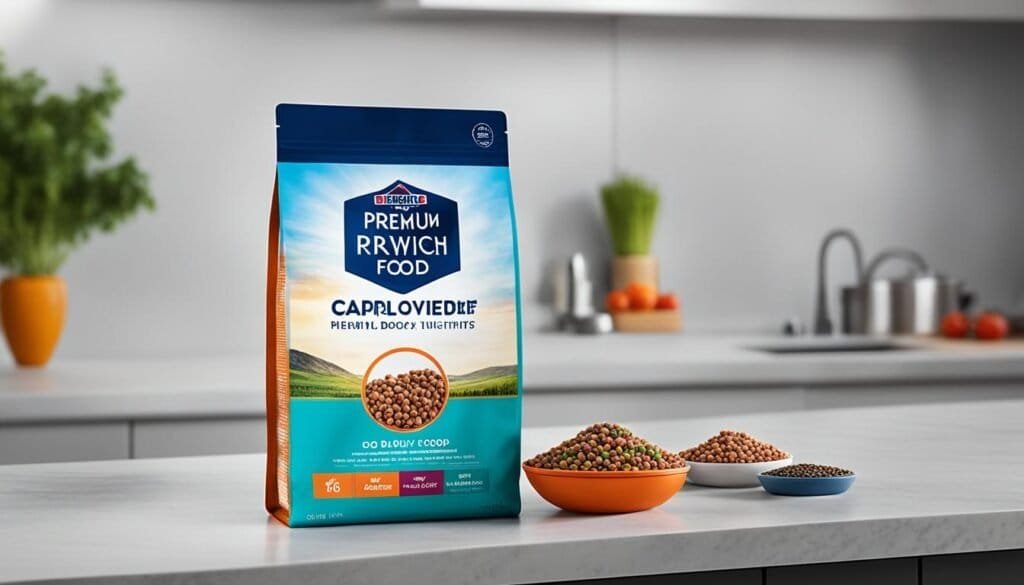
Veterinarians and dog owners often turn to reputable brands like Royal Canin and Purina Pro Plan when they want premium dog nutrition. These vet-recommended dog food brands offer specialized formulas, including dog breed-specific diets, and brands in this tier often point to that specialization and their research as the reason for the higher price.
Royal Canin: Breed-Specific Formulas
Royal Canin is a well-known name in the premium dog food market, recognized for its peer-reviewed research and its specialized formulas for different dog breeds. The brand’s breed-specific diets are designed to suit the nutritional needs and preferences of each canine breed. By sourcing ingredients that dogs find highly palatable, such as chicken and chicken fat, Royal Canin’s formulas are nutritious and likely to appeal to many dogs.
Purina Pro Plan: High-Protein Blends
Another trusted vet-recommended dog food brand is Purina Pro Plan, which offers a range of high-quality, high-protein dry dog food options. These formulas are made to provide the premium dog nutrition your dog needs to thrive, with a focus on nutrient levels and supporting overall health and wellness. Whether your canine companion is an active working dog or a beloved family pet, Purina Pro Plan has a specialized blend to meet their dietary requirements. Whether it is worth the price comes down to how your dog does on it.
Wet and Fresh Dog Food: Does Paying More Help?
Both dry and wet food can be excellent choices, each with unique advantages, and a pricier version of either is not automatically better. One key benefit of canned or wet dog food is the significantly higher moisture content compared to kibble, which can be especially helpful for pups who are reluctant drinkers or have conditions that warrant a moisture-rich diet.
Canned Dog Food for Hydration
Wet food can be a good option for dogs that need more water, as it provides ample hydration. This can be particularly helpful for dogs with certain medical conditions, such as kidney disease or urinary tract issues, where your vet may want increased fluid intake. The texture and aroma of canned dog food may also entice picky eaters to enjoy their meals more enthusiastically.
Dehydrated and Raw Dog Food Alternatives
Beyond traditional canned and kibble options, pet owners are increasingly exploring dehydrated and raw dog food alternatives, often as part of a search for grain-free dog food formulas and less processed feeding. These products are often sold as premium dog food, so the same label checks apply. Dehydrated dog food, for example, retains much of the nutritional value of raw ingredients while offering the convenience of shelf-stable storage. Raw diets, though requiring more preparation, can offer benefits such as shinier coats, healthier skin, improved dental health, and increased energy for some dogs. But the American Veterinary Medical Association cautions that raw diets carry risks and should be approached with guidance from veterinary professionals.
The choice between dry, wet, dehydrated, or raw dog food should be made in consultation with your veterinarian, taking into account your pup’s nutritional needs, health status, and individual preferences. Weighing the options, grain-free dog food formulas, and dehydrated and raw dog food alternatives with your vet will help you find the best fit for your four-legged friend’s well-being.
The Bottom Line on Premium Dog Food
Paying more for premium dog food is worth it when the food fits your dog’s age, size, activity level, and health, and when it meets AAFCO standards. Reading labels to identify high-quality protein sources and evaluate carbohydrate ingredients helps you judge value, whatever the price.
The top veterinarian-recommended dog food brands include Royal Canin, Hills Science Diet, Purina ProPlan, and Eukanuba, each offering specialized formulas for different needs. Prescription diets from reputable companies can be valuable for managing certain health conditions. Talk with your vet before choosing grain-free diets, as they have been linked to cases of dilated cardiomyopathy in dogs.
As you weigh premium dog nutrition and vet-recommended dog food brands, keep in mind the importance of AAFCO standards, WSAVA guidelines, and the ingredients to avoid in dog food. By considering your dog’s canine dietary requirements and pet food quality standards, and by using veterinary pet food recommendations as a guide, you can decide which spending actually helps your dog.
FAQ
What are the key factors to consider before paying more for dog food?
Why is the AAFCO statement important on dog food labels?
How can I identify the quality of protein sources in dog food?
What are some of the best dry dog food options recommended by veterinarians?
Why are breed-specific dog food formulas recommended?
What are the pros and cons of wet and dry dog food?
Is paying more for dog food worth it?
Keep reading
- What Vets Actually Look For in a Dog Food
- Dog Food for Weight, Joints, Skin and Gut Problems
- Best Dog Food: How to Choose the Right One for Your Dog
- What to Feed a Dog When You Run Out of Dog Food
More in Food & Treats, or start from the Doggy Rank iQ homepage.