
The dog food ingredients to avoid in 2026 are artificial preservatives such as BHA, BHT and ethoxyquin, artificial colors, cheap fillers, vague by-products and meat meals, and added sugar. You can spot them by reading the ingredient list from the top, since items are listed by weight, and by checking for a named protein source and an AAFCO statement.
This article explains each of these dog food ingredients to avoid, shows how to read the rest of the label, and lists a few brands to compare. If your dog has allergies or a medical condition, ask your veterinarian before you change foods.
The full comparison lives in Best Dog Food: How to Choose the Right One for Your Dog.
The brands later in this article are examples to compare once you know what to look for on a label. Whether you want a healthy dog food option, a premium dog food with nutritious recipes, a grain-free dog food, a natural dog food diet, or a high-protein dog food for your puppy or adult dog, the same label checks apply.
Key Takeaways:
- Finding the right pet food can be overwhelming, but a few label checks make it much easier.
- Knowing the dog food ingredients to avoid helps you screen out artificial preservatives, artificial colors, fillers and low-quality by-products.
- High-quality protein sources, recognizable ingredients and essential nutrients support your dog’s well-being.
- The ingredients list, guaranteed analysis and AAFCO statement each tell you something different about a food.
- The brands listed later are examples to compare, not endorsements.
How to Check a Label for Dog Food Ingredients to Avoid
Spotting dog food ingredients to avoid takes only a few minutes once you know the tricks. Read the ingredient list from the top, since ingredients are listed by weight. A food can look meat-first on paper while a grain is split into several entries, such as corn, corn meal and corn gluten meal. Each entry sits lower on the list, but together they can add up.
Other red flags include vague terms like “meat meal” or “animal fat” with no named animal, added sugars or sweeteners, and chemical preservatives such as BHA, BHT and ethoxyquin. A named source like “chicken meal” tells you far more. A few habits keep every food choice safer:
- Look for an AAFCO statement that matches your dog’s life stage.
- Keep treats to about 10 percent of your dog’s daily calories.
- Switch foods gradually over 7 to 10 days, mixing more of the new food in each day.
- Ask your veterinarian about medical or prescription diets if your dog has allergies, kidney disease or another health condition.
Why Dog Food Ingredients to Avoid Matter for Your Dog’s Health
The food you choose shapes your dog’s energy, weight and coat. Just like people, dogs need a balanced diet to stay healthy, and learning the dog food ingredients to avoid is a simple way to protect that balance. Good food supports the immune system, helps maintain a healthy weight, and promotes overall well-being.
Balanced Nutrition for Growth and Development
High-quality pet food contains a balanced blend of protein, carbohydrates, fats, vitamins, and minerals, which are all essential for your pet’s growth, energy levels, and overall development. A well-rounded diet gives your pet the building blocks for strong bones, a healthy coat, and a strong immune system, so they can live a long and active life.
Real and Recognizable Ingredients
When selecting pet food, it helps to look for products that use real and recognizable ingredients. Avoid pet foods that contain artificial preservatives, colors, and flavors, as these additives may not be good for your pet’s health. Instead, opt for pet food that prioritizes wholesome, natural ingredients you can easily identify, so your dog gets the nourishment they need.
Common Dog Food Ingredients to Avoid
The ingredients in your dog’s bowl matter. Many commercial foods contain a few of the common dog food ingredients to avoid, and knowing them makes shopping much easier. A little awareness helps you make informed choices about the food you buy.
Artificial Preservatives
Artificial preservatives like BHA, BHT, and ethoxyquin are often used in pet food to extend its shelf life. Some of these chemical additives have raised health concerns, so many owners prefer to skip them. Opt for pet food that uses natural preservatives, such as vitamin E or vitamin C.
Artificial Colors
Artificial colors are added to pet food to improve its visual appeal, but they serve no nutritional purpose. These synthetic dyes may contribute to allergies or other problems in some pets. Look for pet food that uses natural, plant-based colorants or avoids artificial colors altogether.
Fillers
Fillers, such as corn, wheat, and soy, are low-quality ingredients that offer minimal nutritional value. These cheap additives can lead to digestive issues and allergies in some pets. Prioritize pet food that uses high-quality, whole-food ingredients as the primary sources of carbohydrates and nutrients.
By-products
By-products, which are the leftover parts of animals that are not typically used for human consumption, are often of lower quality compared to meat from muscle tissue. These ingredients may be less nutritious and can potentially cause health problems. Opt for pet food that lists high-quality protein sources as the primary ingredients.
By watching for these dog food ingredients to avoid and choosing products that put your dog’s health first, you can help your dog get the nourishment they need to thrive. Your dog’s well-being is in your hands, so read labels with care.
Reading Labels to Spot Dog Food Ingredients to Avoid
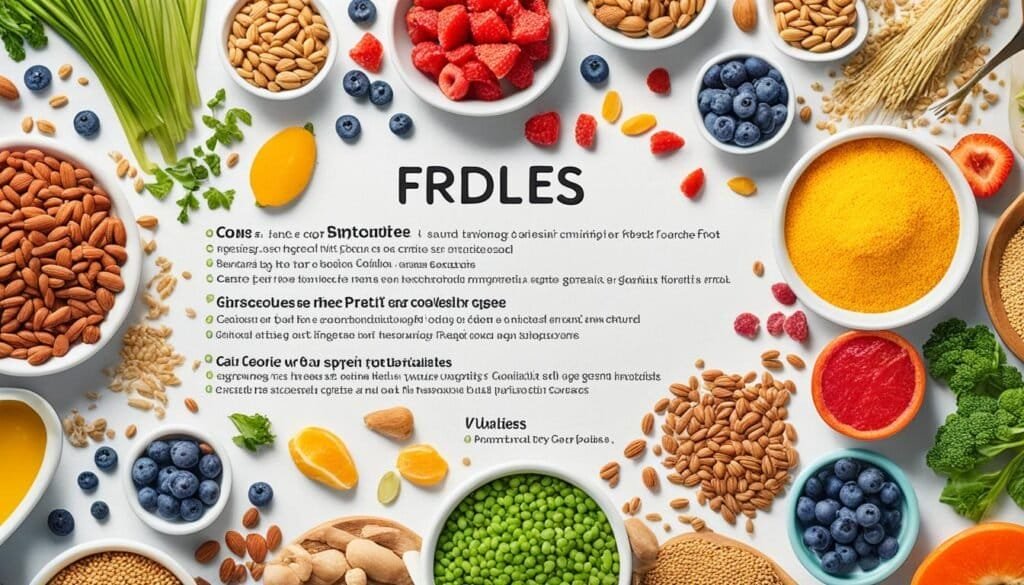
Pet food labels can feel overwhelming, but understanding them helps you make informed decisions about what you feed your dog. Here are the key elements to check to identify high-quality, nutritious options.
Ingredients List
The ingredients list is a valuable starting point when evaluating pet food. The items are listed in descending order by weight, so you’ll want to see high-quality protein sources like meat, poultry, or fish as the first few ingredients. This is also where dog food ingredients to avoid show up, so watch for fillers, such as corn, wheat, or soy, as the primary ingredients.
Guaranteed Analysis
The Guaranteed Analysis section of the label provides important information about the minimum or maximum levels of certain nutrients in the pet food, including protein, fat, fiber, and moisture. Comparing these values to your pet’s specific nutritional needs can help ensure you’re providing a well-balanced diet.
AAFCO Statement
The AAFCO Statement on the label indicates that the pet food has been formulated to meet the nutritional levels established by the Association of American Feed Control Officials (AAFCO) for a specific life stage, such as growth, maintenance, or all life stages. This ensures the food has undergone testing and meets a certain standard of quality.
Feeding Instructions
The feeding instructions on the label provide guidance on how much food to feed your pet based on their weight and age. These are general recommendations, and you may need to adjust the portions based on your individual pet’s needs to maintain a healthy weight and prevent nutritional deficiencies.
By understanding the key information on pet food labels, you can make more informed decisions about the food you choose for your dog, so they receive the balanced nutrition they need to thrive.
Different Types of Pet Food: Dry, Wet, and Raw
When selecting the best pet food for your dog, you have several options to consider, including Dry Pet Food, Wet Pet Food, and Raw Pet Food. Each type has its own advantages and considerations, and the choice depends on your pet’s individual needs and preferences.
Dry Pet Food
Dry Pet Food, also known as kibble, is the most common and popular type of pet food. It is convenient, easy to store, and often more affordable than other options. Dry pet food can also help promote dental health by reducing plaque and tartar buildup. It also provides balanced and complete nutrition, containing proteins, carbohydrates, fats, vitamins, and minerals that are essential for your pet’s growth and development.
Wet Pet Food
Wet Pet Food, or canned food, is generally considered more appetizing and palatable for pets. It can be particularly beneficial for pets that don’t drink enough water, as the high moisture content helps keep them well-hydrated. Wet pet food is also formulated to be nutritionally complete, offering a balanced blend of proteins, carbohydrates, fats, vitamins, and minerals to support your pet’s overall health and well-being.
Raw Pet Food
Raw Pet Food is a more controversial option, but it has gained popularity among some pet owners. This type of diet involves feeding pets raw meat, bones, fruits, and vegetables. Advocates believe that a raw food diet closely resembles what dogs would eat in the wild, which they feel promotes better overall health. Raw food also carries a risk of bacterial contamination, which can be a concern for both dogs and their human family members. Preparing a raw food diet can also be time-consuming and may require additional research compared to commercial dog food.
The best choice for your pet will depend on their individual needs and preferences. Some pet owners even mix different types of pet food to provide variety and a well-rounded diet for their dogs.
Foods to Compare Once You Know the Dog Food Ingredients to Avoid
Finding the right dog food can feel overwhelming with so many options available. With the label checks above, you can compare the brands below with more confidence. They are examples, not endorsements, so read the current ingredient list yourself, since recipes and prices change.
Nutro Ultra Dry Dog Food
Nutro Ultra Dry Dog Food is a multi-protein formula that includes a blend of high-quality grains, fruits, and vegetables. Priced around $90 at various retailers, this dog food is praised for its potential dental health benefits and its ability to provide a balanced, nutrient-rich diet for your pup. With at least 22% crude protein per cup, Nutro Ultra is a great option for pet owners looking to support their dog’s overall well-being.
Blue Buffalo Life Protection Formula
Blue Buffalo Life Protection Formula is a premium dry dog food that features high-quality ingredients, including deboned chicken. Costing approximately $65 from different sellers, this dog food has garnered over 30,000 five-star reviews on Amazon, indicating its popularity among pet owners. The formula is designed to provide a balanced and nutritious diet for your dog.
Ollie Fresh Dog Food
Ollie Fresh Dog Food is a dog food delivery service that offers personalized, fresh recipes made with high-quality meats. While the pricing generally falls into the expensive category, with starting plans under $4 a day for small dogs and averaging around $8 a day, Ollie is considered a great option for pet owners who want to provide their dogs with a nutritious diet matched to their needs.
The Farmer’s Dog Fresh Dog Food
The Farmer’s Dog Fresh Dog Food is another fresh food option that is more expensive than store-bought food, with plans starting at $2 a day. This service is considered particularly suitable for dogs with allergies and sensitivities, making it a valuable choice for pet owners who want to cater to their dog’s specific dietary needs.
Purina Pro Plan
Purina Pro Plan dry dog food, priced at around $72, is a well-rounded option that contains natural prebiotic fiber to aid digestive health. Often chosen for its nutritional balance, Purina Pro Plan is a great choice for pet owners with dogs that have sensitive stomachs.
Merrick Grain-Free Dog Food
Merrick Grain-Free Dog Food, available for about $77 on Amazon, offers a high-protein formula that is suitable for dogs allergic to grains. The formula also includes omega-6 and omega-3 fatty acids, which can benefit your pet’s skin and coat health.
Wellness Canned Dog Food
Wellness Canned Dog Food, retailing for approximately $49 on Amazon, is a wet food option that can be beneficial for dogs with dental issues or those who don’t drink enough water. The soft texture and high moisture content of this dog food make it a great choice for pets with specific dietary needs or preferences.
| Dog Food Brand | Price | Key Features |
|---|---|---|
| Nutro Ultra Dry Dog Food | Around $90 | Multi-protein formula, includes grains, fruits, and vegetables, potential dental health benefits, at least 22% crude protein per cup |
| Blue Buffalo Life Protection Formula | Approximately $65 | Premium dry dog food, high-quality ingredients including deboned chicken, over 30,000 five-star Amazon reviews |
| Ollie Fresh Dog Food | Starting plans under $4 a day for small dogs, average around $8 a day | Dog food delivery service, personalized fresh recipes made with high-quality meats |
| The Farmer’s Dog Fresh Dog Food | Plans starting at $2 a day | Fresh food option, more expensive than store-bought, suitable for dogs with allergies and sensitivities |
| Purina Pro Plan | Around $72 | Dry dog food, contains natural prebiotic fiber for digestive health, recommended for dogs with sensitive stomachs |
| Merrick Grain-Free Dog Food | About $77 on Amazon | High-protein formula, grain-free, includes omega-6 and omega-3 fatty acids for skin and coat health |
| Wellness Canned Dog Food | Approximately $49 on Amazon | Wet food option, soft texture and high moisture content, beneficial for dogs with dental issues or needing extra hydration |
Conclusion
Choosing the right pet food starts with knowing the dog food ingredients to avoid. By understanding the importance of balanced nutrition, steering clear of common problem ingredients, and learning how to interpret pet food labels, you can make informed decisions that put your dog’s health first. Dry, wet, and raw foods each have their own advantages and considerations, and the best choice will depend on your pet’s individual needs and preferences.
The brands covered above, such as Purina Pro Plan, Royal Canin, and Wellness, offer a range of options to compare. Purina Pro Plan Sensitive Skin & Stomach Adult Dog Food was listed as the No. 1 choice, featuring real salmon as the first ingredient, omega-6 fatty acids and vitamin A for skin and coat health, and guaranteed live probiotics for immune support.
Your dog’s health is in your hands, so choose with care and talk with your veterinarian for personalized guidance. By considering factors like your dog’s age, size, and any dietary sensitivities, as well as reading reviews and evaluating the price per serving, you can find the best cheap dog food that meets your pet’s needs and supports their overall well-being.
FAQ
What are the key factors to consider when choosing pet food?
What are the main dog food ingredients to avoid?
How can I interpret pet food labels to make informed decisions?
What are the different types of pet food, and what are the considerations for each?
What are some dog food brands to consider comparing?
Keep reading
- Frozen and Raw Dog Food: Storage, Safety and Cost
- Dog Feeding Tips From Vets: Portions, Timing and Water
- Best Puppy Food: What Growing Dogs Need in Year One
- Can Dogs Eat Grains and Dairy? What Is Safe
More in Food & Treats, or start from the Doggy Rank iQ homepage.