
Dog on dog aggression has more to do with socialization, size and the situation than with breed alone, but some breeds do start fights with other dogs more often than others. As of 2026, the research still points to Terriers, Pit Bulls and some large breeds as higher risk, and to Basset Hounds, Poodles and Maltese as lower risk.
Below you will find which breeds are named most often, which situations tend to trigger a fight, and how to break the pattern early. Breed is only one piece of the puzzle. A well-socialized dog of a “risky” breed can be safer than a poorly socialized dog of a “gentle” breed, so understanding dog on dog aggression starts with the dog in front of you.
The breed reports do show a pattern. Certain dog breeds are more likely to attack and be aggressive toward other dogs1. Bullmastiffs, Rat Terriers, and Terriers in general are noted for a high risk of aggression toward people and other dogs1. On the other hand, Basset Hounds, Poodles, Maltese, and Japanese Chin are highlighted as having a low risk of aggression toward both people and other dogs1.
This sits inside a bigger question: what the dog bite data actually shows.
Key Takeaways
- Certain dog breeds, such as Bullmastiffs, Rat Terriers, and Terriers, are more prone to dog on dog aggression.
- Basset Hounds, Poodles, Maltese, and Japanese Chin are considered peaceful breeds in their interactions with other dogs.
- Small dog breeds like Jack Russell Terriers can be fickle and aggressive toward other dogs they don’t know.
- Large and giant dog breeds tend to be assertive or combative with other dogs, especially those of the same sex or smaller breeds.
- Responsible ownership and proper training are important in preventing aggressive behavior in dogs.
What Triggers Dog on Dog Aggression and How to Break the Pattern Early
Fights between dogs rarely come from nowhere. Common triggers include guarding food, toys or a favorite person, tight spaces such as doorways, leashed greetings with unfamiliar dogs, fear, and pain or illness. Dog on dog aggression often builds in small steps, so early signs such as a stiff posture, a hard stare, raised hackles or growling deserve attention.
To break the pattern early, add distance before the dogs react, and end the encounter calmly rather than yanking the leash or reaching between them. Reward calm behavior around other dogs, and introduce new dogs gradually, at a distance where your dog can stay relaxed. Feed dogs and hand out high-value chews separately.
If your dog’s behavior changes suddenly, ask your veterinarian to check for pain or illness. A certified trainer or a veterinary behaviorist can help a dog that has already been in a fight.
What Dog Attack Statistics Say About Dog on Dog Aggression
Bite and fatal attack data does not measure dog on dog aggression directly, but it does show which breeds draw the most concern2. Pit Bulls have been identified as the breed responsible for the most fatal attacks, accounting for 284 deaths in the United States between 2005 and 20172. In comparison, Rottweilers were involved in 45 fatal attacks, while German Shepherds and Huskies were responsible for 20 and 13 fatal incidents, respectively, during the same period2.
The data suggests that Pit Bulls commit the most attacks overall and are also the most likely to be involved in a fatal attack. 23, According to the American Veterinary Medical Association, Pit Bulls were involved in over half of all reported dog bite incidents in the U.S. in 20233. This may be due to their breeding for aggression, their unwillingness to back down during fights, and their tendency to not give warning signs before biting2.
While certain breeds may be more prone to aggression, individual temperament plays a significant role in a dog’s behavior3. Responsible pet ownership, proper training, and socialization are important in managing canine behavior and preventing attacks between dogs. 34,
| Breed | Fatal Dog Attacks (2005-2017) |
|---|---|
| Pit Bulls | 284 |
| Rottweilers | 45 |
| German Shepherds | 20 |
| Huskies | 13 |
| Mixed Breeds | 17 |
| American Bulldogs | 15 |
| Mastiffs and Bullmastiffs | 14 |
| Labrador Retrievers | 9 |
| Boxers | 7 |
| Doberman Pinschers | 6 |
Which Breeds Show the Most Dog on Dog Aggression?
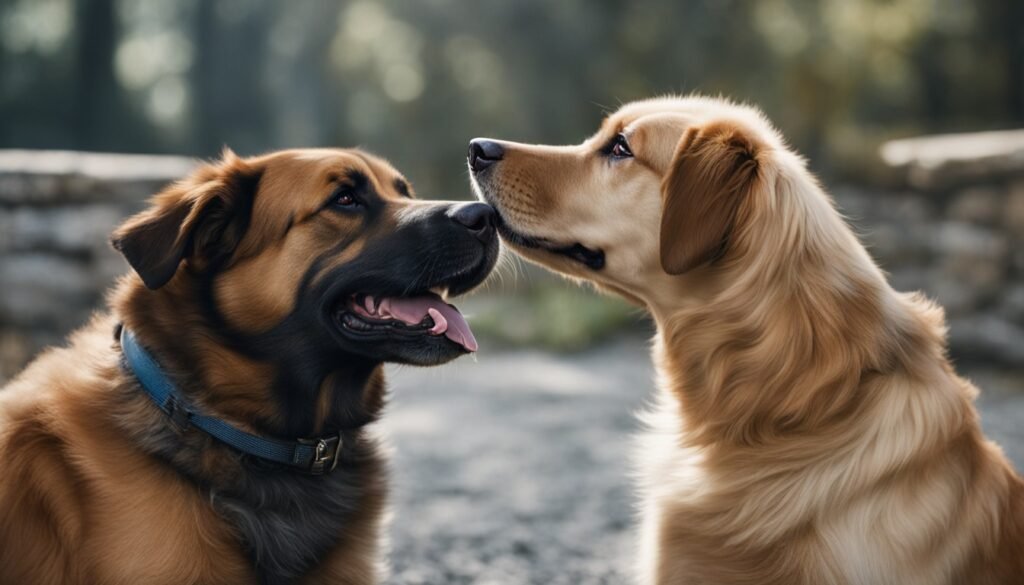
Some breeds tend to be more prone to fights with other dogs than others. Nearly all tiny breeds are fine with the pets in their own family but may be pugnacious toward other dogs they don’t know.5 In the small dog size category, terrier breeds like the Jack Russell Terrier are typically bold, pushy, and aggressive toward other dogs5. These dogs can seem calm one moment and aggressive the next, especially around food or toys.
Larger breeds such as pit bulls, German Shepherds, and Chow Chows also tend to be assertive with other dogs, which can progress to combativeness, especially toward dogs of the same sex or smaller dogs that trigger their prey instincts5. In fact, pit bulls are involved in 22.5% of all dog bite incidents5, and they were responsible for 66% of all dog bite-related deaths in the United States between 2005 and 20206. Other breeds like Rottweilers, German Shepherds, Doberman Pinschers, Chow Chows, Boxers, Siberian Huskies, Dalmatians, Alaskan Malamutes, and Great Danes have also been responsible for a significant number of fatal dog attacks each year6.
It’s important to note that the risk of dog on dog aggression can be lowered through proper socialization, training, and responsible ownership. By understanding the temperament and behaviors of different breeds, owners can take early steps to prevent and address aggressive tendencies, keeping their dogs and the community safe.
Dog on Dog Aggression in Large and Giant Breeds
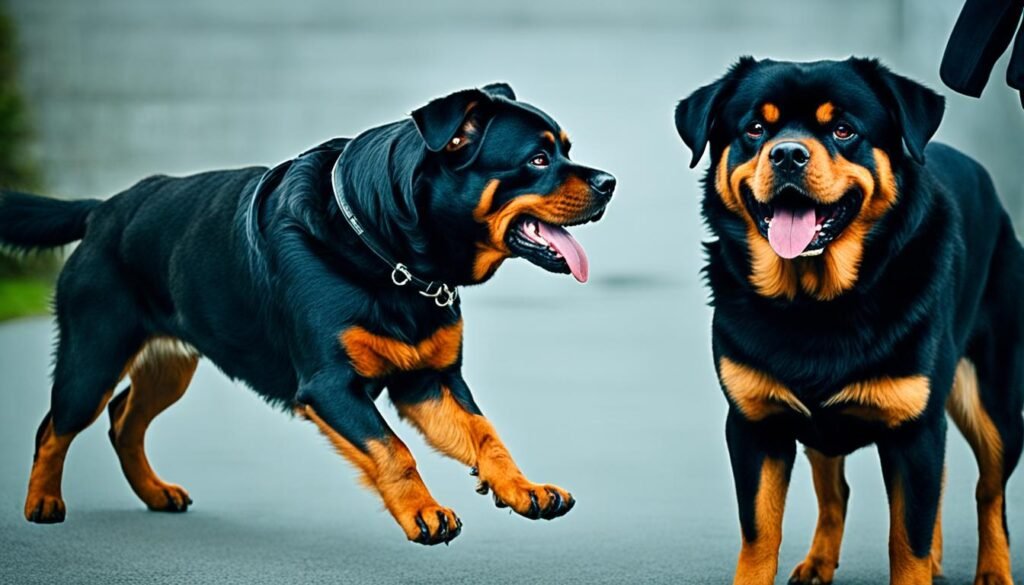
With larger dogs, dog on dog aggression can pose a significant risk, especially toward smaller dogs7. Most large and giant breeds are assertive with other dogs, which can progress to combativeness, particularly if the other dog is of the same sex or triggers their prey instincts7. Breeds like Akitas, Great Pyrenees, Cane Corsos, Rottweilers, and St. Bernards may view smaller dogs as potential prey, leading to aggressive behavior7. Caution is advised when introducing a large or giant breed dog to a home with an existing smaller dog.
The size and strength of these larger breeds can make them a formidable threat7. Studies suggest that intact (not neutered) male dogs are more likely to show aggression, which raises the risk further7. Genetics account for around 60-70% of observed differences in aggression between various dog breeds, with breeds such as German Shepherds, Doberman Pinschers, Rottweilers, and Pit Bull Terriers frequently cited as more aggressive due to their genetics and history7.
It’s important to note that no single cause of dog on dog aggression exists. It stems from a combination of genetic, biological, and environmental factors, health issues, and lack of socialization7. Some risk factors, such as body size and fearfulness, can increase the likelihood of aggressive behavior7. Small dog breeds are 2.5 times more likely to snap or bite family members compared to medium or large breeds, and dogs rated as highly fearful by their owners are over 5 times more likely to display aggression than non-fearful dogs7.
Responsible ownership, proper training, and socialization are key to managing the potential aggression of large and giant dog breeds toward other dogs7. By understanding the characteristics and risk factors of these breeds, owners can take early steps to keep their dogs and the community safe.
The Bottom Line
In summary, while any dog can potentially bite or display aggression, certain breeds have higher rates of attacks and fatal incidents compared to others8. Pit bulls, for instance, were responsible for 59% of fatal dog attacks in Utah from 2005 to 2020, and they were involved in 284 dog bite-related fatalities nationwide8. Other breeds like German Shepherds, Rottweilers, and some terrier breeds such as the Jack Russell Terrier have also been associated with higher levels of dog on dog aggression, often due to a combination of genetic predisposition and lack of proper socialization89.
Large and giant dog breeds can also be assertive and combative with other dogs, especially those of the same sex or smaller size9. This is likely attributed to their size and perceived danger, as well as the role of sexual status in impacting aggression levels9. Responsible ownership, early socialization, and training are important in managing these tendencies and preventing potential attacks.
Understanding which breeds are most prone to dog on dog aggression can help owners take the necessary precautions to keep their pets and others safe10. Programs that require owners to take preventative measures, such as the one implemented in Multnomah County, have shown a significant reduction in repeat aggressive incidents10. By knowing the risks and acting early, you can help create a safer, calmer environment for all dogs and their owners.
FAQ
Which dog breeds are most likely to attack other dogs?
Why are pit bulls and other large/giant breeds more aggressive toward other dogs?
Are smaller dog breeds also prone to attacking other dogs?
How can owners prevent dog on dog aggression?
Keep reading
- Dog Attacks on People: What the Hospital Data Says
- Dog Bite Statistics by Breed and What They Leave Out
- Most Affectionate Dog Breeds, Large and Small
- Most Obedient Dog Breeds and How Trainable They Are
More in Breed Matchmaker, or start from the Doggy Rank iQ homepage.