
Wet vs dry dog food mostly comes down to price, teeth and appetite: dry food usually costs less per day and stores easily, while wet food adds moisture and tempts fussy eaters. In 2026 the answer most owners settle on is a mix of both, as long as every food is labeled complete and balanced.
Below, we compare wet vs dry dog food on cost, dental health, storage, hydration and picky eating, then cover how to feed both without upsetting your dog’s stomach.
Food choices shape your dog’s health, and veterinarians often have clear views on what to feed. With a good picture of your dog’s needs and your vet’s advice, you can build a diet that suits them, whichever side of the wet vs dry dog food debate you favor.
This sits inside a bigger question: Best Dog Food: How to Choose the Right One for Your Dog.
In the wet vs dry dog food choice, both can be good nutritional options for your dog, and each has pros and cons. Dry food is convenient, cost-effective, and can help with oral health, while wet food provides significantly more moisture. Quality depends on palatability, a complete and balanced recipe, affordability, and whether your veterinarian approves of the food for your dog’s needs. Veterinarians recommend looking for an AAFCO nutritional adequacy statement, which shows the food is formulated to contain the nutrients your dog needs. They also advise choosing a recipe developed with a board-certified veterinary nutritionist, as this is more likely to suit your dog’s age and breed size.
Key Takeaways
- Veterinarians recommend looking for dog food with an AAFCO nutritional adequacy statement.
- Choosing a recipe developed with a board-certified veterinary nutritionist helps match nutrients to your dog’s age and breed size.
- The quality of your dog’s food depends on palatability, a complete and balanced recipe, affordability, and veterinarian approval.
- In the wet vs dry dog food choice, both can be good nutritional options, and each offers its own benefits.
- Dry food usually costs less per day, wet food adds moisture, and many owners feed a mix of both.
- Talking with your veterinarian is important for understanding your dog’s specific dietary needs and any restrictions or sensitivities.
Wet vs Dry Dog Food: Cost, Teeth and Fussy Eaters
Cost: Compare foods by price per day, not price per bag or can. Dry food usually costs less per day, and wet food often costs more, especially for large dogs. Check the feeding guide on the label and work out what your dog actually eats in a day.
Teeth and picky eaters: Crunchy kibble is not a substitute for brushing, so ask your vet about dental care in the wet vs dry dog food decision. For fussy eaters, mixing a spoonful of wet food into kibble often helps, but a sudden loss of appetite deserves a call to your vet.
Mixing the two: Cut back the portion of each food so total daily calories stay the same, and keep treats under 10 percent of daily calories. Introduce any change over 7 to 10 days. If your dog has a medical condition, ask your vet whether a prescription diet is needed.
Understanding Your Dog’s Nutritional Needs
To make sure your dog gets the essential dog nutrition and canine dietary requirements they need, it’s important to buy the appropriate veterinary-approved dog food for their life stage and breed size. Dog foods are typically categorized into three stages: growth, all life stages, and adult maintenance.
Importance of Consulting Your Veterinarian
Consulting your veterinarian is vital, as they can provide guidance on your dog’s specific dietary needs and any restrictions or sensitivities they may have. By working closely with your vet, you can develop an understanding of your pet’s unique dog nutrition requirements and make sure they receive the right diet for their health and well-being.
Nutritional Requirements Based on Breed, Size, and Age
Nutritional requirements can vary significantly based on a dog’s breed, size, and age, so it’s essential to choose a dog breed-specific food that suits your pet’s individual needs. Puppies, adults, and senior dogs all have different dietary requirements, and certain breeds may also have specialized nutritional needs based on their genetic adaptations and metabolic profiles.
Identifying High-Quality Dog Food, Wet or Dry
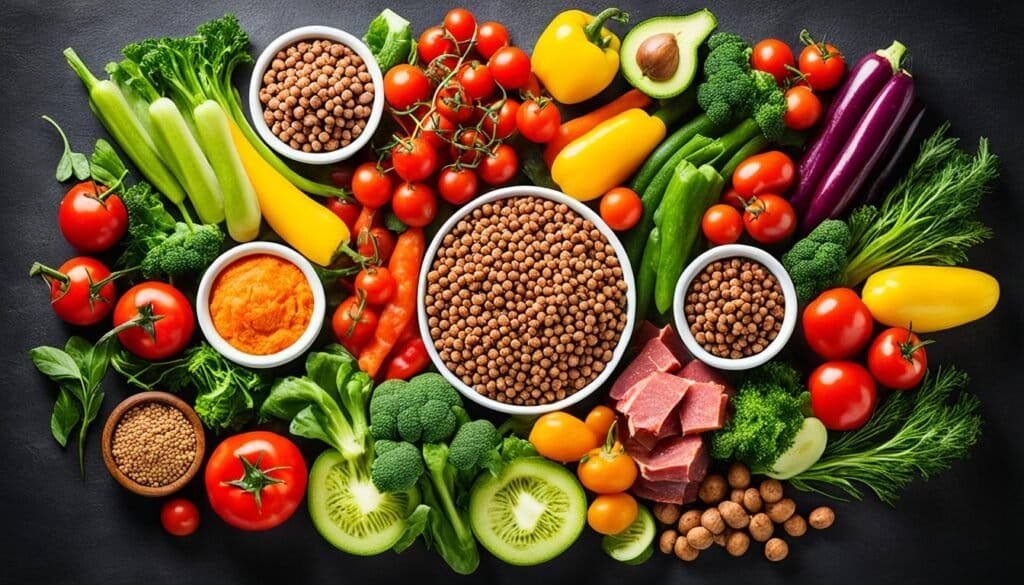
When selecting a nutritious dog food, it’s essential to look for products that carry the AAFCO (Association of American Feed Control Officials) nutritional adequacy statement. This statement shows the food is formulated to provide a complete and balanced blend of the nutrients your dog needs to thrive. The quality of the protein sources in the premium dog food brands you choose also plays a major role in your dog’s overall health and well-being.
Checking for AAFCO Nutritional Adequacy Statement
The AAFCO nutritional adequacy statement on a dog food label indicates that the product has been formulated to meet the essential nutrient requirements for your pet’s life stage, whether that’s growth, maintenance, or all life stages. This assurance from a trusted industry authority helps you feel confident that you’re providing a healthy dog diet suited to your dog’s life stage.
Importance of Animal Protein Sources
When evaluating the ingredient list, prioritize animal-based protein sources such as chicken, beef, or lamb. These high-quality proteins are more easily digested and provide your dog with a complete amino acid profile, supporting their muscle development, immune function, and overall health. Avoid dog foods that rely heavily on plant-based proteins or by-products, as these may not be as biologically available or beneficial for your canine companion.
Assessing Carbohydrate and Fiber Sources
In addition to high-quality proteins, look for foods that include wholesome carbohydrate and fiber sources. Complex carbohydrates, such as those found in brown rice or oats, provide sustained energy, while dietary fiber promotes healthy digestion. Steer clear of grain-free dog food options unless your veterinarian specifically recommends them, as they may not be necessary for all dogs and can potentially lack important nutrients.
Dry Dog Food Brands Veterinarians Often Recommend
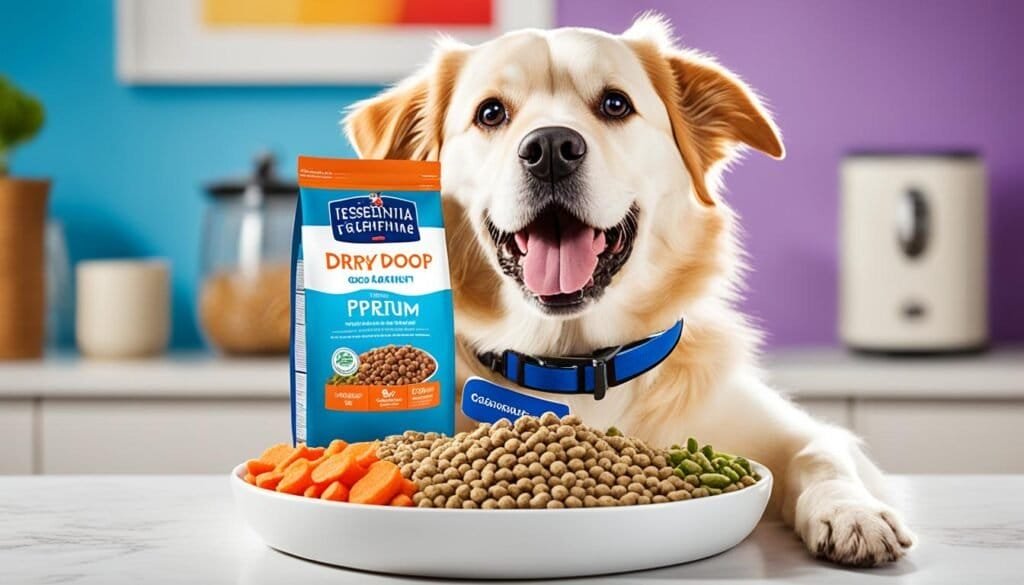
If you lean toward the dry side of the wet vs dry dog food choice, veterinarians point to several brands that consistently meet or exceed the AAFCO nutritional recommendations. These dry dog food formulas are developed with the oversight of board-certified veterinary nutritionists, giving your dog a complete and balanced diet suited to their needs.
Royal Canin: Formulas for Different Breeds and Life Stages
Royal Canin is a trusted veterinary-approved dog food brand known for its peer-reviewed research and well-regarded reputation. The company offers a wide range of veterinary-approved dog food solutions, each designed to cater to the unique needs of different dog breeds and life stages. Whether your pup is a small-breed puppy or a large-breed adult, Royal Canin has a premium dog food brand formulated to meet their specific nutritional requirements.
Hill’s Science Diet: Scientifically Formulated Recipes
Hill’s Science Diet is another highly recommended veterinary-approved dog food brand, renowned for its scientifically formulated recipes. These recipes are developed with input from veterinary professionals and are designed to provide your dog with a complete and balanced diet to support their overall health and wellness.
Purina Pro Plan: Nutrient-Dense Options for Various Needs
Purina Pro Plan is a premium dog food brand that offers a wide range of nutrient-dense dry dog food options to cater to various needs. From weight management to breed-specific formulas, Purina Pro Plan provides dog owners with high-quality, veterinary-approved dog food choices that can meet the unique dietary requirements of their dogs.
Choosing Wet vs Dry Dog Food by Life Stage
Veterinarians recommend specific dog food formulas for different life stages to ensure your pet receives the right nutrition. Whether you have a growing puppy, a vibrant adult dog, or a senior canine, selecting the right veterinary-approved dog food can make a significant difference in their overall health and well-being.
Puppy Formula: Supporting Growth and Development
Puppies have unique nutritional requirements to support their rapid growth and development. Veterinarians often recommend puppy formulas that are designed to provide the necessary calories, high-quality proteins, and essential vitamins and minerals to fuel your young pup’s growth. Look for puppy foods that meet the AAFCO standards and are formulated with the guidance of board-certified veterinary nutritionists, so your puppy gets a healthy dog diet suited to their stage. Puppy food comes in both wet and dry forms, so check that either one is labeled for growth.
Adult Dog Food: Maintaining Health and Vitality
As your dog moves into adulthood, their nutritional needs shift toward maintaining good health and vitality. Veterinarians suggest adult dog food formulas that provide a balanced blend of nutrients to support your canine companion’s energy levels, immune function, and overall well-being. These recipes are often built around dog breed-specific food requirements, so your adult dog receives the nourishment they need.
Senior Dog Food: Supporting Aging Pets with Special Dietary Requirements
As our canine companions enter their golden years, their nutritional needs may change to address the unique challenges of aging. Veterinarians often recommend senior dog food formulas that are designed to support joint health, maintain muscle mass, and provide the appropriate calorie and nutrient levels for older dogs. These specialized diets can help your senior pup enjoy their later years with vitality and comfort.
Wet vs Dry Dog Food: Pros and Cons
Both wet and dry dog food can support good dog nutrition and a healthy dog diet. Each type has its own advantages and drawbacks that are worth weighing.
Convenience and Cost-Effectiveness of Dry Food
Dry dog food is generally more convenient and cost-effective for pet owners. The kibble format is easy to store, measure, and feed, and many dry dog food brands are relatively affordable, making them a practical long-term solution. The crunchy texture of dry food may also help limit plaque and tartar buildup, though it does not replace brushing or veterinary dental care.
Hydration and Palatability Benefits of Wet Food
On the other hand, wet dog food provides significantly more moisture than its dry counterpart, which can be beneficial for dogs that struggle to stay adequately hydrated. The increased moisture content can also make wet food more palatable and appealing to finicky eaters. Veterinarians often recommend a combination of wet and dry food to ensure your dog receives the benefits of both.
The best approach is to ask your veterinarian which wet vs dry dog food balance suits your pet’s individual needs, preferences, and health status, along with the right dog nutrition and healthy dog diet.
Transitioning Between Wet vs Dry Dog Food
When transitioning your dog to a new dog nutrition plan or healthy dog diet, it’s important to go gradually to avoid digestive upset. Starting a new food too quickly can lead to gastrointestinal issues like diarrhea or vomiting, so a slow and steady approach is recommended.
Gradual Introduction to Avoid Digestive Upset
Begin by mixing a small amount of the new food with your dog’s current food, and gradually increase the ratio of new to old over the course of 7 to 10 days. This gradual transition allows your dog’s digestive system to adjust to the new formula, minimizing the risk of an upset stomach.
Monitoring Your Dog’s Response and Adjusting as Needed
As you transition your dog to the new food, closely monitor their response, such as stool quality and energy levels. If you notice any signs of digestive distress, you may need to slow down the transition or consult your veterinarian. It’s important to make adjustments as needed to protect your dog’s comfort and well-being during this process.
Consulting your veterinarian is also recommended if you have any concerns about your dog’s transition to a new dog diet. They can provide guidance based on your pet’s individual needs and help ensure a smooth and successful change in food.
Wet vs Dry Dog Food: The Bottom Line
The wet vs dry dog food question has no single right answer, but choosing the right dog food matters for your pet’s overall health and well-being. By consulting with your veterinarian, understanding your dog’s specific nutritional needs, and selecting high-quality, veterinarian-approved dog food brands, you can give your dog a balanced, nutritious diet that supports their growth, development, and longevity. Transition to new dog foods gradually and watch your dog’s response to make sure they do well on their new diet.
The Association of American Feed Control Officials (AAFCO) plays a key role in establishing nutritional standards in the pet food industry, ensuring that pet foods are labeled as ‘complete and balanced’ based on current scientific research. The World Small Animal Veterinary Association (WSAVA) also provides valuable recommendations for obtaining specific information from pet food manufacturers to ensure quality. By staying informed, you can provide your dog with the best possible dog nutrition and support their overall well-being.
There is no one-size-fits-all approach to dog food. Your veterinarian can help you identify the dog food that best meets your pet’s unique canine dietary requirements, whether it’s a premium dog food brand, a mix of wet and dry, or a grain-free dog food. By working closely with your veterinarian and paying attention to your dog’s individual needs, you can give them the healthy dog diet they deserve.
FAQ
What are the pros and cons of wet vs dry dog food?
Which is better for fussy eaters, wet or dry dog food?
What should I look for when choosing high-quality dog food?
What are the top veterinarian-recommended dry dog food brands?
How do I choose the right dog food for my pet’s life stage?
How do I transition my dog to a new food?
Keep reading
- Cheap Dog Food That Is Still Good: Budget Picks
- Vet Recommended Dog Food for Specific Health Problems
- Best Dog Food: How to Choose the Right One for Your Dog
- What to Feed a Dog When You Run Out of Dog Food
More in Food & Treats, or start from the Doggy Rank iQ homepage.